Introduction: Is Spring a Struggle for Your Dachshund?
As the weather warms and flowers bloom, many of us welcome the arrival of spring. For Dachshund owners, however, this season can bring a wave of concern. Dachshunds, particularly the miniature variety, are genetically predisposed to developing allergies, and the high pollen counts of spring can trigger significant discomfort for our long-bodied friends.
This comprehensive guide, grounded in veterinary science, will walk you through everything you need to know about seasonal allergies in Dachshunds. We'll cover why they are so susceptible, how to recognize the symptoms, and provide a detailed action plan—from simple home remedies to effective veterinary treatments—to help your beloved companion navigate allergy season comfortably.
Why Are Dachshunds Prone to Allergies?
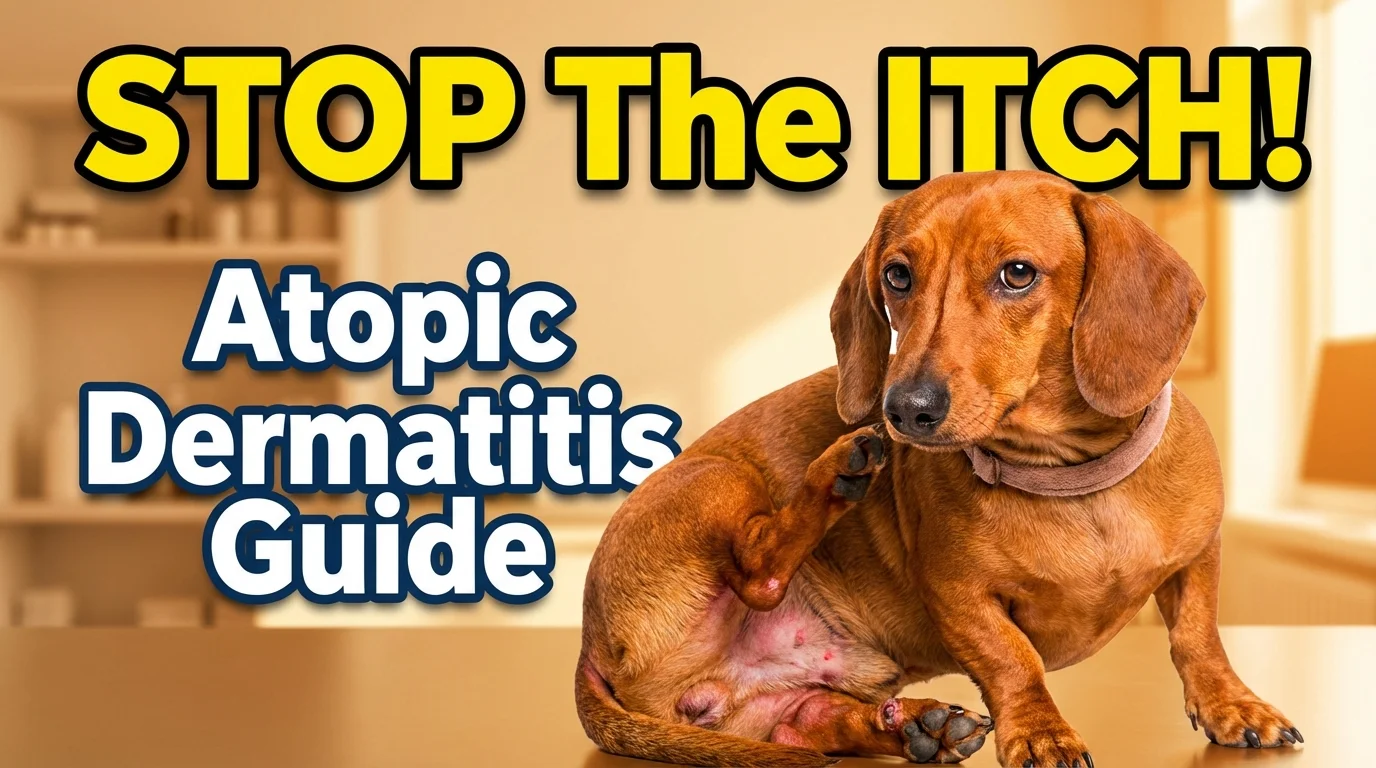
The tendency for Dachshunds to develop allergies is linked to their genetic makeup. They are particularly susceptible to atopic dermatitis, a chronic inflammatory skin disease associated with environmental allergens.
Atopic dermatitis occurs when a dog's immune system overreacts to common environmental substances like pollen, mold spores, or dust mites. These allergens penetrate the skin's natural barrier, triggering an immune response that leads to inflammation and intense itching.
Dachshunds are thought to have a weaker skin barrier compared to other breeds. This compromised barrier makes it easier for allergens to enter the body, leading to a higher incidence of allergic reactions and skin problems.
Key Signs of Seasonal Allergies in Dachshunds
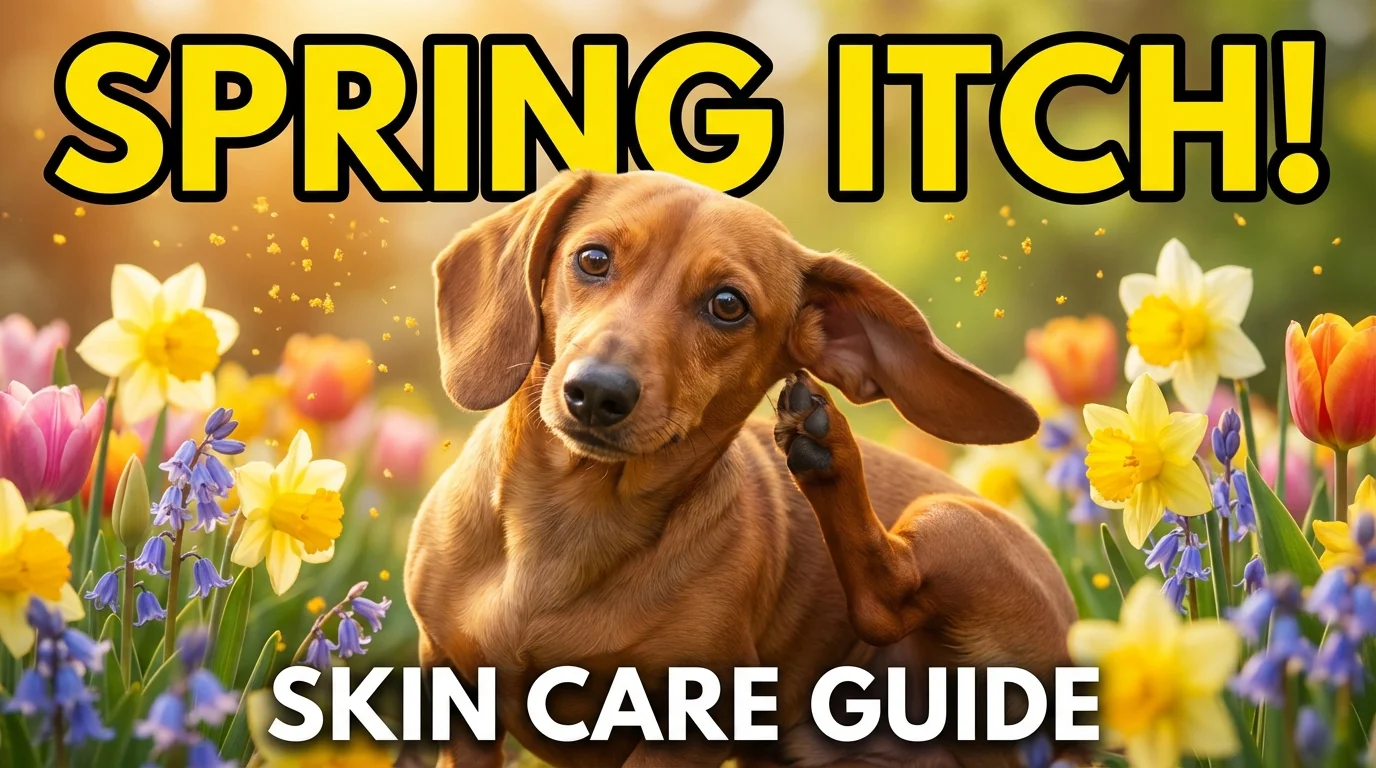
While humans often associate allergies with sneezing and watery eyes, in dogs, the primary symptom is itchy skin (pruritus). Be vigilant for these common signs, especially during high-pollen seasons like spring and fall.
| Affected Area | Specific Signs to Watch For |
|---|---|
| Skin & Body | Constant scratching, rubbing against furniture, scooting on the floor. |
| Face & Paws | Paw licking or chewing (often causing reddish-brown saliva stains), face rubbing, red or inflamed skin around the eyes and mouth. |
| Ears | Head shaking, scratching at ears, redness inside the ear flap, waxy discharge, or an unusual odor. |
| Eyes | Increased tearing, redness, or goopy discharge (conjunctivitis). |
| Respiratory | Sneezing, coughing, or a runny nose (less common than skin symptoms). |
If you notice these symptoms recurring or worsening during certain times of the year, seasonal allergies are a likely culprit.
Your Action Plan: Managing Your Dachshund's Allergies at Home
Effective management starts with minimizing your dog's exposure to pollen. Here are four key strategies you can implement today.
1. Smart Walks: Minimize Pollen Exposure
- Time Your Outings: Pollen counts are typically highest midday and in the afternoon. Schedule walks for the early morning or late evening.
- Choose Your Route Wisely: Avoid wooded areas, tall grasses, and parks with a high concentration of flowering plants. Stick to paved sidewalks when possible.
- Wear Protective Gear: A lightweight dog shirt or bodysuit can act as a physical barrier, preventing pollen from settling directly on your dog's skin and coat.
2. Post-Walk Decontamination Routine
- Wipe-Downs are Essential: Before heading inside, use a damp cloth or hypoallergenic, unscented pet wipes to clean your dog's paws, legs, belly, and face. This removes a significant amount of pollen that would otherwise be tracked into your home.
- Strategic Bathing: Bathing is one of the best ways to remove allergens from the coat and soothe irritated skin. However, over-bathing can strip natural oils and weaken the skin barrier. Use a veterinarian-recommended shampoo formulated for sensitive or allergic skin.
A medicated shampoo can provide immense relief by cleaning the skin, reducing bacteria, and calming inflammation. Look for products with gentle, soothing ingredients.

Vet's Best Allergy Itch Relief Dog Shampoo (16 oz)
This shampoo is a veterinarian-formulated blend of oatmeal, tea tree oil, and other natural ingredients to soothe and moisturize sensitive skin. It helps wash away allergens, relieves itching, and leaves your dog's coat feeling soft and clean without harsh chemicals.
3. Create a Low-Allergen Home Environment
- Invest in an Air Purifier: A HEPA filter air purifier can dramatically reduce the amount of airborne pollen inside your home.
- Clean Frequently: Vacuum carpets and wash your dog's bedding, blankets, and soft toys regularly in hot water to kill dust mites and remove allergens.
- Keep Windows Closed: During peak pollen season, use air conditioning to keep your home cool and prevent pollen from drifting inside.
4. Support the Skin Barrier from the Inside Out
- Diet and Nutrition: A high-quality diet is fundamental to skin health. Foods rich in omega-3 and omega-6 fatty acids can help strengthen the skin barrier, reduce inflammation, and improve overall coat condition. Consider consulting your vet about a therapeutic diet or supplements.
- Topical Moisturizers: Applying a dog-specific moisturizer or balm after baths or wipe-downs can help lock in moisture and support the skin's protective barrier.
Frequently Asked Questions (FAQ)
Q1: Should I get my Dachshund allergy tested?
A1: If your dog's symptoms are moderate to severe, allergy testing (either via a blood test or intradermal skin testing) can be very beneficial. Identifying the specific allergens allows for more targeted treatment, such as immunotherapy (allergy shots), which can desensitize your dog's immune system over time.
Q2: Are allergy medications safe for my dog?
A2: Veterinarians have several safe and effective options to manage itching, including antihistamines, corticosteroids, and newer targeted therapies like Apoquel or Cytopoint. Your vet will recommend the best option based on your dog's symptoms, age, and overall health, weighing the benefits against any potential side effects.
Q3: How can I tell the difference between seasonal and food allergies?
A3: The biggest clue is timing. Seasonal allergies typically cause flare-ups during specific times of the year. Food allergies, on the other hand, cause year-round itching and are often accompanied by gastrointestinal issues like diarrhea or vomiting. It's possible for a dog to have both.
Conclusion: Partner with Your Vet for a Happy, Itch-Free Spring
While Dachshunds may be predisposed to allergies, a proactive approach can make a world of difference. By minimizing pollen exposure, maintaining a clean home, and supporting your dog's skin health, you can significantly reduce their discomfort.
Remember, you are not alone in this. If your dog's symptoms persist or worsen despite your best efforts, don't hesitate to seek professional help. Your veterinarian is your best partner in diagnosing the problem and creating a tailored treatment plan that ensures your Dachshund can enjoy every season to the fullest.