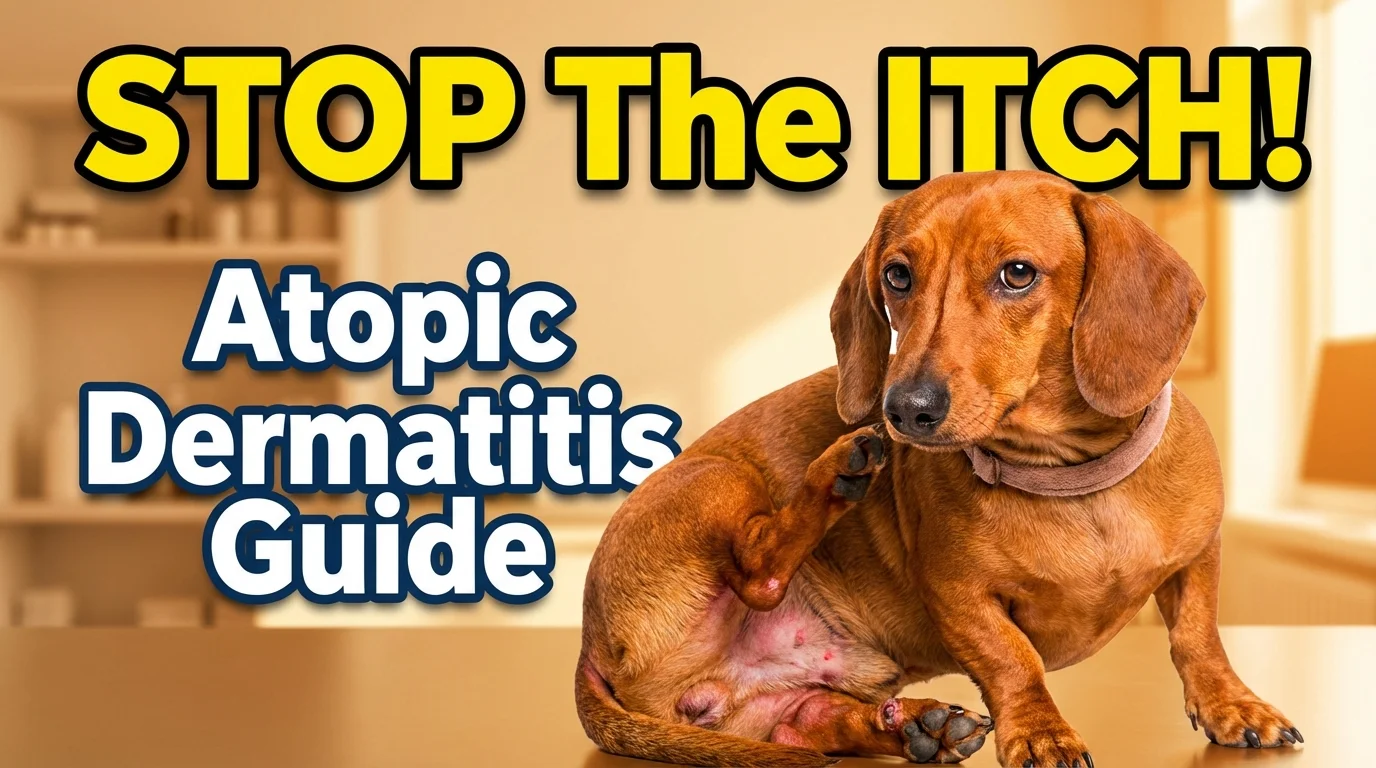
For a Dachshund owner, there are few things more distressing than watching your beloved companion constantly scratch, chew, or rub their skin. If your Dachshund suffers from relentless itching, redness, or recurrent ear infections—especially during the spring and fall, or perhaps year-round—they may be dealing with Canine Atopic Dermatitis (CAD).
Atopic dermatitis is a chronic, inflammatory skin disease triggered by an allergic reaction to environmental allergens such as pollen, mold spores, and dust mites. Unfortunately, Miniature Dachshunds are genetically predisposed to this condition due to an inherently weaker skin barrier. This comprehensive guide explores the unique relationship between Dachshunds and atopic dermatitis, the common environmental triggers, and the most effective, veterinary-approved management protocols to bring your dog relief.
The Dachshund Connection to Atopic Dermatitis
Canine atopic dermatitis is a complex condition involving two main factors: an overactive immune response to environmental allergens and a defective skin barrier. Dachshunds are particularly susceptible to this disease for several reasons.
Genetic Predisposition and Skin Barrier Dysfunction
The development of atopic dermatitis is strongly linked to genetics. Many Dachshunds are born with a compromised stratum corneum—the outermost layer of the skin responsible for retaining moisture and blocking external irritants. When this skin barrier is weak or defective, microscopic allergens like pollen and dust mites can easily penetrate the skin, triggering the immune system to launch an aggressive and itchy allergic response.
Age of Onset and Disease Progression
In most cases, the first signs of atopic dermatitis appear when a Dachshund is between 6 months and 3 years old. Initially, the itching may be seasonal, perhaps flaring up only during the spring pollen season. However, as the dog ages, they often become sensitized to multiple allergens, leading to year-round discomfort. If left unmanaged, chronic scratching can cause the skin to thicken and darken (hyperpigmentation) and create an ideal environment for secondary bacterial or yeast (Malassezia) infections, making treatment much more challenging.
Common Symptoms and Affected Areas
The hallmark symptom of atopic dermatitis is pruritus, or severe itching. Because of their unique long-backed, short-legged anatomy, Dachshunds have a lot of surface area close to the ground, making their chest and belly prime targets for environmental allergens.
Signs to Watch For
If you notice your Dachshund displaying any of the following behaviors, atopic dermatitis may be the culprit:
- Obsessively licking or chewing at their paws (especially between the toes)
- Rubbing their face or ears against the carpet or furniture
- Vigorously scratching their armpits, groin, or belly
- Experiencing frequent or recurrent ear infections (redness, odor, or discharge)
Paw licking is a particularly common early sign that is often mistakenly attributed to boredom or anxiety. If the fur around your dog's paws has turned a rusty brown color, this is a clear indicator of chronic licking due to saliva staining.
The Veterinary Diagnostic Process
Diagnosing atopic dermatitis is a process of elimination. Your veterinarian must systematically rule out other conditions that cause similar itching, such as flea or tick infestations, bacterial folliculitis, yeast infections, and food allergies.
Treating Infections and Ruling Out Food Allergies
The first step usually involves skin cytology—examining a sample of the skin cells under a microscope to check for bacterial or yeast overgrowth. If an infection is present, it must be treated with antibiotics or antifungal medications first. If the itching is non-seasonal (year-round), your vet may also recommend a strict 8 to 12-week dietary elimination trial using a prescription hypoallergenic food to ensure a food allergy is not the primary cause.
Allergy Testing (IgE Testing)
Once other causes have been ruled out and a clinical diagnosis of atopic dermatitis is made, your veterinarian may suggest allergy testing (via blood test or intradermal skin testing). This test identifies the specific environmental allergens—such as certain tree pollens, grasses, dust mites, or molds—that your dog is reacting to. Knowing the specific triggers is essential for developing a targeted immunotherapy plan and making environmental modifications.
Veterinary-Approved Treatment and Management Protocols
It is crucial to understand that canine atopic dermatitis cannot be "cured." Instead, it requires lifelong management to control the symptoms and maintain your Dachshund's quality of life. Modern veterinary medicine utilizes a multi-modal approach to tackle the disease from different angles.
1. Anti-Itch Medications (Pruritus Control)
Severe itching causes immense stress and leads to self-inflicted skin damage. To provide rapid relief, veterinarians commonly prescribe:
- Oclacitinib (Apoquel): A fast-acting, non-steroidal oral medication that blocks the specific neural pathways responsible for the sensation of itch. It is widely used due to its efficacy and relatively low side-effect profile.
- Lokivetmab (Cytopoint): An injectable biological therapy that neutralizes IL-31, a key protein that triggers itching in dogs. A single injection typically provides relief for 4 to 8 weeks and is very safe for long-term use.
- Corticosteroids: While highly effective at reducing inflammation and itching, steroids are usually reserved for short-term use during severe flare-ups due to the risk of significant side effects with long-term administration.
2. Allergen-Specific Immunotherapy
Immunotherapy (allergy shots or under-the-tongue drops) is the only treatment that alters the immune system's response to allergens, addressing the root cause of the disease. By exposing the dog to gradually increasing doses of the specific allergens they are sensitive to, the immune system slowly builds tolerance. While it can take several months to a year to see full results, immunotherapy successfully improves symptoms or reduces the need for other medications in 60-70% of dogs.
3. Skin Barrier Repair and Topical Therapy
Topical care is just as important as systemic medication in managing atopic dermatitis.
- Moisturizing Care: Dry skin has a weaker barrier, making it easier for allergens to enter. Daily use of veterinary-approved moisturizing sprays or lotions containing ceramides and essential fatty acids helps rebuild and hydrate the skin barrier.
- Therapeutic Bathing: Regular bathing physically removes pollen, dust, and dander from your dog's coat and skin. However, using harsh shampoos can strip natural oils and worsen dryness. Always use a gentle, hypoallergenic, oatmeal-based, or ceramide-infused shampoo specifically formulated for dogs with sensitive skin, and bathe them using lukewarm water.
Environmental Management at Home
In addition to medical treatments, minimizing your Dachshund's exposure to allergens in their environment can significantly reduce flare-ups.
Dust Mite Management
House dust mites are one of the most common triggers for year-round atopic dermatitis.
- Wash your dog's bedding and blankets weekly in hot water (at least 140°F/60°C) or dry them on high heat to kill dust mites.
- Vacuum frequently using a vacuum with a HEPA filter. Pay special attention to carpets, rugs, and upholstery where your dog spends the most time. If possible, consider replacing carpets with hard flooring in areas your dog frequents.
- Use a high-quality air purifier to reduce airborne dust and allergens.
Pollen Management
If your dog's allergies are seasonal, you must be proactive during high-pollen periods.
- Avoid walking your dog during early mornings or windy days when pollen counts are at their peak.
- Consider having your Dachshund wear a lightweight dog shirt or suit during walks to prevent pollen from directly contacting their skin.
- Immediately upon returning from a walk, gently wipe down your dog's entire body—especially their paws, belly, and groin—with a damp towel or hypoallergenic pet wipes to remove trapped pollen.
FAQ: Common Questions About Dachshund Atopic Dermatitis
Q. Can atopic dermatitis be completely cured? A. Because atopic dermatitis is linked to genetics and the immune system, there is no permanent cure. However, with a dedicated management plan involving medication, topical therapy, and environmental control, the vast majority of dogs can live comfortable, itch-free lives.
Q. How can I tell if my dog has a food allergy or atopic dermatitis? A. It is very difficult to tell the difference based on symptoms alone, as both cause intense itching and skin redness. Food allergies are typically non-seasonal and may be accompanied by gastrointestinal issues like vomiting or diarrhea. The only definitive way to differentiate them is through a strict dietary elimination trial overseen by your veterinarian.
Q. Can I use human anti-itch creams or moisturizers on my dog? A. No. Human skin and dog skin have different pH levels and structural properties. Human products may contain ingredients that are toxic to dogs if licked, or they may be too harsh and further irritate your dog's skin. Always use products specifically formulated for dogs or prescribed by your veterinarian.
Conclusion: Consistent Care for a Comfortable Life
Managing a Dachshund with atopic dermatitis requires patience, consistency, and a strong partnership with your veterinarian. While it can be frustrating to see your dog struggle with allergies, modern veterinary medicine offers excellent tools to control the itch and heal the skin.
If you suspect your Dachshund is suffering from environmental allergies, do not rely on home remedies alone. Consult your veterinarian for a proper diagnosis and a tailored treatment plan. By combining the right medications, diligent topical care, and environmental management, you can protect your dog's skin health and ensure they enjoy a happy, comfortable life.
Additional Considerations for Dachshunds
Dachshunds require special attention when managing atopic dermatitis because of their unique physical characteristics. Their long backs make them prone to Intervertebral Disc Disease (IVDD), which means any excessive scratching or sudden twisting movements to reach an itchy spot can potentially cause spinal injury.
Furthermore, their short legs mean their bellies are constantly brushing against grass, weeds, and other potential allergens during walks. This constant physical contact can exacerbate contact dermatitis, which often goes hand-in-hand with atopic dermatitis.
The Role of Diet in Skin Health
While atopic dermatitis is triggered by environmental allergens, a high-quality diet plays a crucial role in maintaining overall skin health. Diets rich in Omega-3 and Omega-6 fatty acids (often found in fish oil supplements) can help reduce inflammation and strengthen the skin's natural barrier. Always consult your veterinarian before adding supplements to your dog's diet, as the correct dosage is essential for efficacy and safety.
Managing Stress and Anxiety
Chronic itching is incredibly stressful for a dog. This stress can create a vicious cycle, as anxiety can actually worsen the perception of itch, leading to more scratching and further skin damage. Providing a calm, predictable environment, engaging in low-impact mental stimulation (like puzzle toys), and ensuring your Dachshund gets adequate, gentle exercise can help manage their stress levels and contribute to their overall well-being.
The Importance of Regular Veterinary Check-ups
Managing atopic dermatitis is not a one-time fix. It requires ongoing monitoring and adjustments to the treatment plan. Regular veterinary check-ups are essential to assess the effectiveness of the current management strategy, monitor for any potential side effects of medications, and catch secondary infections early before they become severe.
Your veterinarian may need to adjust medication dosages, switch to different therapies, or recommend additional diagnostic tests as your dog ages or as their environment changes. Open communication with your veterinary team is the key to long-term success in managing this chronic condition.
Working with a Veterinary Dermatologist
If your Dachshund's atopic dermatitis is particularly severe, unresponsive to standard treatments, or complicated by recurrent, resistant infections, your primary care veterinarian may refer you to a board-certified veterinary dermatologist. These specialists have extensive training and experience in diagnosing and managing complex skin diseases and can offer advanced treatment options, such as customized allergen-specific immunotherapy and specialized topical therapies.
Final Thoughts on Managing CAD
Living with a Dachshund that has atopic dermatitis can be challenging, but it is also highly manageable with the right approach. By understanding the underlying causes, recognizing the symptoms early, and working closely with your veterinarian to implement a comprehensive management plan, you can significantly improve your dog's quality of life.
Remember that patience and consistency are crucial. It may take time to find the exact combination of treatments and environmental modifications that work best for your individual dog. Celebrate the small victories, stay vigilant with their skincare routine, and always prioritize their comfort and well-being. With your dedication and veterinary support, your Dachshund can enjoy a happy, active life despite their environmental allergies.