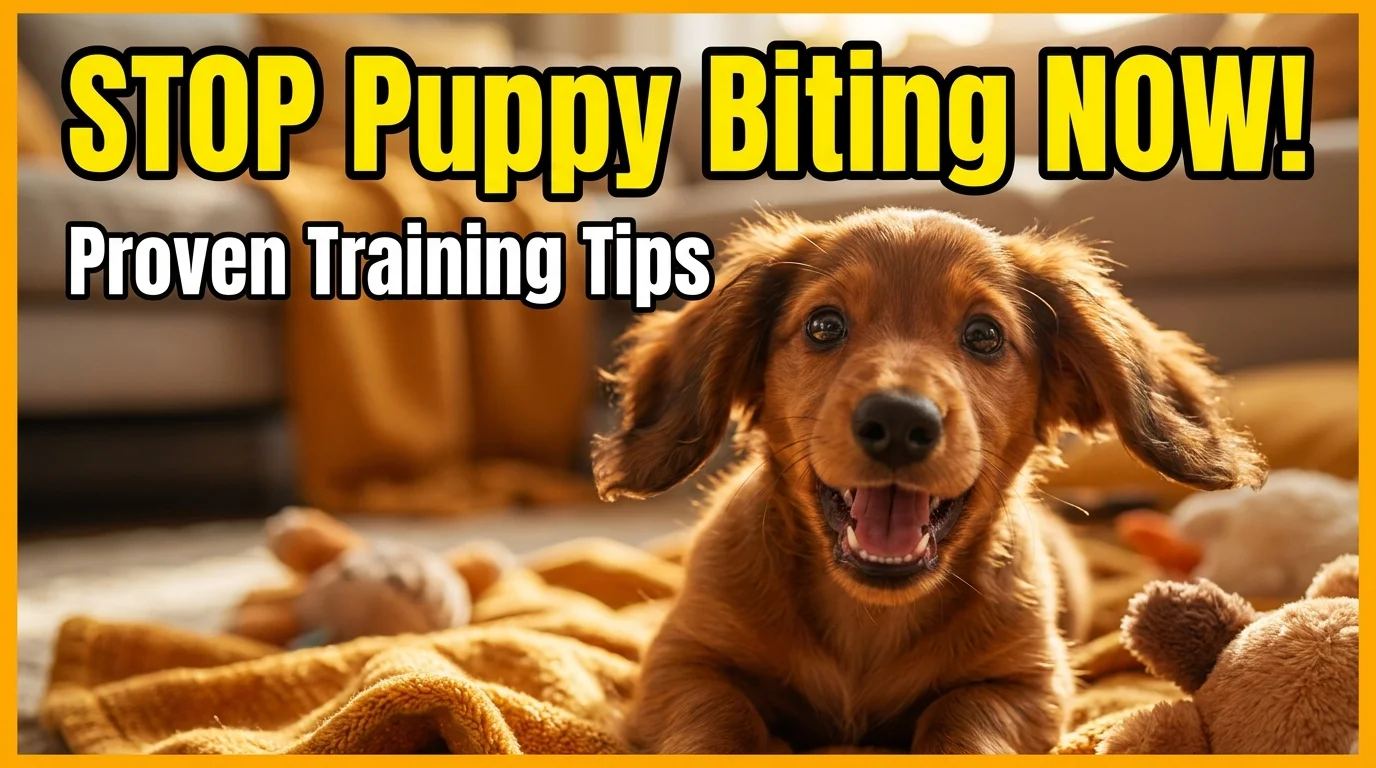
Bringing home a new dachshund puppy is an exciting experience, but it often comes with a painful challenge: puppy biting. Those needle-sharp teeth can turn playtime into a frustrating ordeal. While mouthing and nipping are entirely normal behaviors for young dogs, they must be addressed early to prevent serious biting issues in adulthood.
In this comprehensive guide, we will explore the underlying reasons behind your dachshund's biting behavior, drawing on veterinary science and animal behavior principles. You will learn effective, positive reinforcement-based strategies to teach bite inhibition and establish a safe, harmonious relationship with your furry companion.
Why Do Dachshund Puppies Bite?
Understanding the root cause of your puppy's biting is the crucial first step in modifying the behavior. Dachshunds, like all dogs, use their mouths to explore the world, but several specific factors contribute to excessive nipping.
The Teething Phase
Between the ages of three and six months, puppies lose their deciduous (baby) teeth as their adult teeth erupt. This process causes significant discomfort and inflammation in the gums. Chewing on objects—including your hands and furniture—provides relief by massaging the sore areas. Providing appropriate chew toys during this period is essential for their comfort and your sanity.
Exploration and Play
Puppies interact with their environment primarily through their mouths. It is their way of investigating textures, tastes, and objects. Furthermore, play biting is a natural part of canine socialization. When puppies play with their littermates, they learn "bite inhibition"—the ability to control the force of their bite. If a puppy bites too hard, its sibling will yelp and stop playing, teaching the offender that painful bites end the fun. Puppies separated from their litter too early often lack this crucial feedback.
Overstimulation and Overtiredness
Just like human toddlers, puppies can become cranky and act out when they are overtired or overstimulated. A puppy that has been playing vigorously for an extended period may lose self-control and begin biting frantically. Ensuring your dachshund gets adequate, structured nap times throughout the day is vital for emotional regulation.
The Hunting Instinct
Dachshunds were originally bred in Germany to hunt badgers (the name literally translates to "badger dog"). This strong prey drive means they are naturally inclined to chase, grab, and bite moving objects. Fluttering hands, moving feet, or dangling clothing can trigger this instinct, leading to sudden nips.
Science-Based Training Strategies to Stop Biting
Correcting biting behavior requires consistency, patience, and positive reinforcement. The goal is to teach your dachshund that human skin is sensitive and that appropriate chew toys are the only acceptable targets.
1. The "Yelp and Ignore" Method
This technique mimics the feedback a puppy would receive from its littermates. When your dachshund bites you hard enough to cause discomfort, immediately let out a sharp, high-pitched "Ouch!" or yelp. This sudden noise should startle the puppy and cause it to release its grip.
Crucially, you must follow the yelp by immediately withdrawing attention. Stand up, turn your back, tuck your hands into your armpits, and ignore the puppy for 10 to 20 seconds. If the puppy continues to bite your ankles or clothes, calmly step over a baby gate or leave the room for a brief "time-out." This teaches the puppy that biting makes their favorite playmate disappear.
2. Redirection to Appropriate Toys
Whenever you interact with your puppy, have a designated chew toy readily available. If the puppy attempts to nibble on your fingers, proactively offer the toy instead. When they bite the toy, praise them enthusiastically ("Good dog!"). This reinforces the idea that chewing on toys is rewarding, while chewing on humans is not.
Ensure you provide a variety of textures—such as soft plush toys, durable rubber chews, and rope toys—to satisfy their different chewing needs, especially during the teething phase.
3. Teaching the "Leave It" and "Drop It" Commands
These foundational obedience commands are invaluable for managing biting and preventing resource guarding. Start by teaching "Leave It" with low-value items, gradually increasing the difficulty. When your puppy successfully ignores the forbidden object and looks at you, reward them with a high-value treat. "Drop It" can be taught by trading an item the puppy has in its mouth for a better treat or a more exciting toy.
4. Adequate Exercise and Mental Stimulation
A tired dachshund is a well-behaved dachshund. Ensure your puppy receives appropriate physical exercise tailored to their age and physical development (avoiding excessive jumping or stairs to protect their long backs). Mental stimulation is equally important; puzzle toys, snuffle mats, and short, positive training sessions can tire out their brains and reduce the urge to bite out of boredom.
Common Mistakes to Avoid
Certain reactions to puppy biting can inadvertently reinforce the behavior or create new behavioral problems. Avoid the following common pitfalls:
- Physical Punishment: Never hit, slap, or forcefully hold your puppy's mouth shut. Physical punishment damages the human-animal bond, increases fear and anxiety, and can escalate the biting into defensive aggression.
- Roughhousing with Hands: Avoid using your hands as toys during play. Wrestling or teasing your puppy with your fingers teaches them that hands are acceptable targets for biting. Always use a toy as a buffer between your skin and their teeth.
- Inconsistency: If one family member allows play biting while another punishes it, the puppy will become confused. Consistency among all household members is essential for successful training.
FAQ: Dachshund Biting Behavior
Q: When should a dachshund puppy stop biting?
Most puppies outgrow the worst of their mouthing and biting behavior by the time they are six to eight months old, coinciding with the end of the teething phase. However, consistent training must be maintained during this period to ensure the behavior does not persist into adulthood.
Q: My adult dachshund has started biting suddenly. What should I do?
Sudden onset of biting in an adult dog is often a sign of underlying pain, illness, or severe stress. It is imperative to schedule a comprehensive veterinary examination to rule out medical issues such as dental disease, joint pain (like Intervertebral Disc Disease, common in dachshunds), or neurological problems. If the veterinarian gives a clean bill of health, consult a certified animal behaviorist.
Q: Is it normal for my puppy to growl while biting?
Play growling is normal during vigorous play with toys. However, if the growling is accompanied by stiff body language, bared teeth, or a fixed stare, it may indicate resource guarding or fear-based aggression. In such cases, seek professional guidance from a qualified dog trainer.
Conclusion
Addressing your dachshund puppy's biting behavior requires understanding their developmental needs and applying consistent, positive training methods. By teaching bite inhibition, providing appropriate outlets for chewing, and avoiding physical punishment, you can guide your puppy toward becoming a gentle, well-mannered adult dog. Remember that patience is key; behavior modification takes time, but the reward of a strong, trusting bond with your dachshund is well worth the effort.
Advanced Strategies for Stubborn Biters
If the standard "yelp and ignore" method doesn't seem to be working, or if your dachshund's biting is particularly persistent, you may need to employ more advanced strategies. Remember that every dog is unique, and what works for one may not work for another.
The "Time-Out" Technique
When a puppy is overstimulated and unable to calm down, a brief time-out can be highly effective. This is not a punishment, but rather an opportunity for the puppy to decompress. When the biting becomes too intense, calmly and silently pick up the puppy (or use a leash) and place them in a safe, boring, puppy-proofed area, such as a playpen or a designated room (not their crate, as the crate should always be a positive place).
Leave them there for 1 to 2 minutes—just long enough for them to calm down. If they are whining or barking, wait for a few seconds of silence before letting them out. This teaches the puppy that wild, biting behavior results in the loss of their freedom and social interaction.
The "Trade" Game
Resource guarding is a common issue that can lead to biting. This occurs when a dog feels the need to protect a valuable item, such as a bone, a toy, or even a piece of trash they found on a walk. To prevent and address this, teach your puppy the "trade" game.
Start with an item of low value that your puppy has in their mouth. Approach them with a high-value treat (like a small piece of chicken or cheese) and say "Trade" or "Drop it." When they drop the item to take the treat, praise them and immediately give the item back. This teaches them that giving up an item doesn't mean losing it forever; it means getting something even better.
Managing the Environment
Prevention is often the best cure. If you know your puppy is prone to biting in certain situations, take steps to manage the environment to prevent the behavior from occurring.
- Wear Appropriate Clothing: During the teething phase, avoid wearing loose, flowing clothing that might tempt your puppy to bite. Opt for snug-fitting clothes and sturdy shoes or slippers.
- Keep Toys Accessible: Have chew toys scattered throughout the house so you can quickly redirect your puppy's attention if they start to bite.
- Supervise Interactions with Children: Children often move quickly and make high-pitched noises, which can trigger a puppy's prey drive and lead to biting. Always supervise interactions between your puppy and young children, and teach children how to interact calmly and safely with the dog.
The Role of Socialization in Preventing Biting
Early and positive socialization is crucial for preventing biting and other behavioral issues in dachshunds. Socialization involves exposing your puppy to a wide variety of people, animals, environments, and experiences in a safe and controlled manner.
Puppy Socialization Classes
Enrolling your dachshund in a well-run puppy socialization class is one of the best investments you can make in their future behavior. These classes provide a safe environment for puppies to interact with each other and learn crucial social skills, including bite inhibition. They also offer an opportunity for you to learn basic training techniques from a qualified instructor.
Controlled Introductions
When introducing your puppy to new people or animals, always ensure the experience is positive. Use treats and praise to reward calm, polite behavior. If your puppy seems fearful or overwhelmed, don't force the interaction. Allow them to retreat and observe from a safe distance until they feel more comfortable.
Desensitization to Handling
Dachshunds need to be comfortable with being handled, especially given their susceptibility to back problems (Intervertebral Disc Disease). Gently handle your puppy's paws, ears, tail, and mouth on a regular basis, rewarding them with treats for remaining calm. This will make grooming, veterinary examinations, and everyday interactions much easier and less likely to result in defensive biting.
Understanding the Difference Between Play Biting and Aggression
It's important to be able to distinguish between normal puppy play biting and signs of true aggression. While play biting can be painful, it is usually accompanied by relaxed, bouncy body language and a "play bow" (front legs down, rear end up).
Aggressive biting, on the other hand, is often preceded by warning signs, such as:
- Stiff, rigid body posture
- Growling or snarling (with a tense face, unlike play growling)
- Bared teeth
- A hard, fixed stare
- Ears pinned back
- Tail tucked tightly between the legs or held stiffly high
If you observe any of these signs, it's crucial to seek professional help from a certified animal behaviorist or a veterinary behaviorist. Aggression is a complex issue that requires specialized knowledge and experience to address safely and effectively.
The Importance of Consistency and Patience
Training a dachshund puppy not to bite requires a significant amount of consistency and patience. There will be setbacks, and there will be days when you feel like you're not making any progress. It's important to remember that behavior modification takes time, and puppies learn at their own pace.
- Be Consistent: Ensure that everyone in the household is using the same training methods and rules. If one person allows the puppy to bite their hands during play, it will undermine the efforts of everyone else.
- Be Patient: Don't expect overnight results. It can take weeks or even months of consistent training to completely resolve puppy biting.
- Celebrate Small Victories: Acknowledge and reward your puppy's progress, no matter how small. Every time they choose to bite a toy instead of your hand, it's a step in the right direction.
Conclusion
Addressing your dachshund puppy's biting behavior is a critical part of their early training and socialization. By understanding the underlying causes of the behavior, employing positive reinforcement-based training strategies, and managing their environment, you can effectively teach your puppy bite inhibition and prevent serious behavioral issues from developing in the future. Remember that consistency, patience, and a deep understanding of your dachshund's unique needs are the keys to success. With time and effort, you can build a strong, trusting bond with your furry companion and enjoy a lifetime of happy, bite-free interactions.