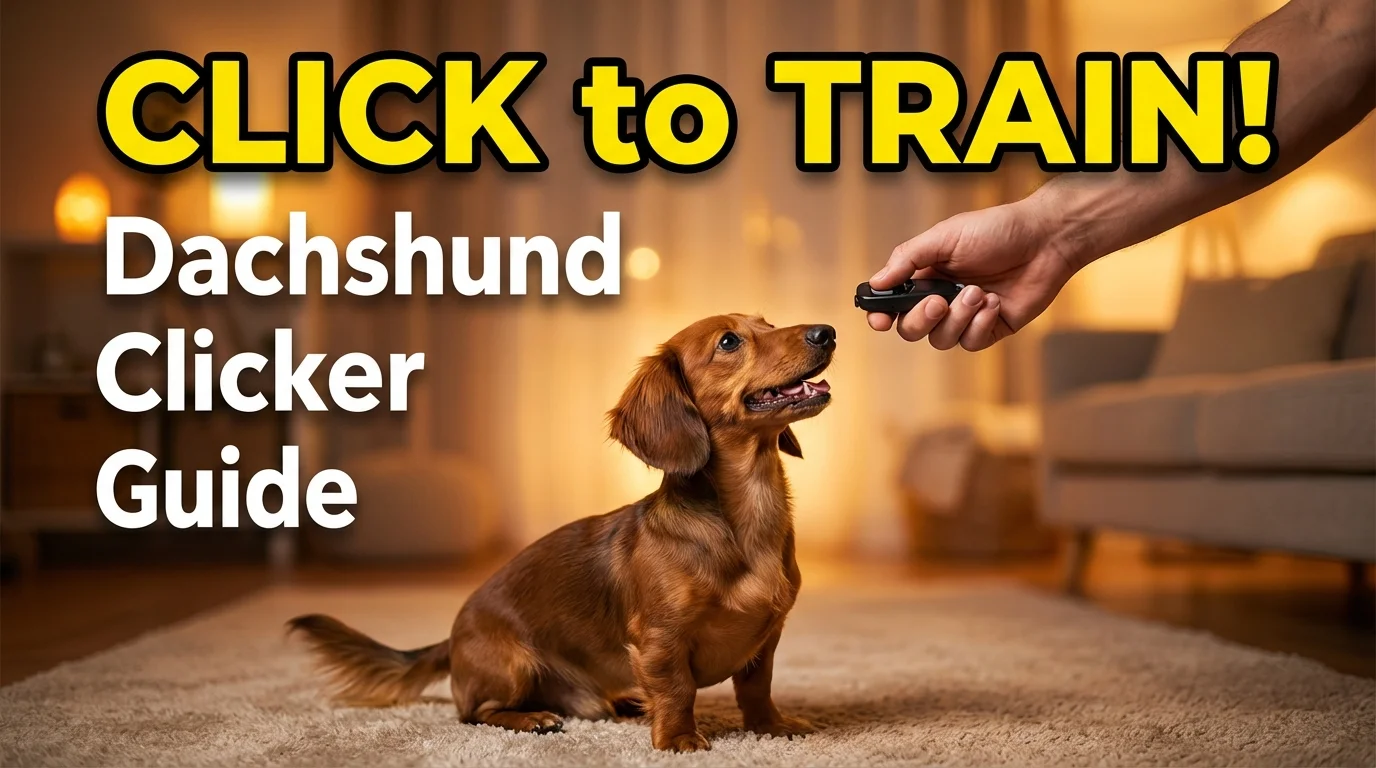
Training a Dachshund can sometimes feel like a battle of wills. Known for their intelligence and independent thinking—traits bred into them for hunting badgers—Doxies can be notoriously stubborn when they don't see the point of a command. This is where clicker training comes in as a game-changer.
Clicker training is a science-based method rooted in positive reinforcement. It uses a small mechanical device that makes a distinct "click" sound to tell your dog exactly when they've done something right. For a breed as smart as the Dachshund, this method turns training from a chore into a fun, rewarding puzzle.
In this comprehensive guide, we will explore why clicker training works so well for Dachshunds, how to get started, and crucial safety tips to protect their long spines during training sessions.
Why Clicker Training is Perfect for Dachshunds
Dachshunds are problem solvers. When you use traditional training methods that rely heavily on physical guidance or repetitive verbal commands, a Dachshund might simply tune you out. Clicker training, however, engages their brain.
The Science Behind the Click
Clicker training is based on operant conditioning. The clicker serves as an "event marker." It bridges the gap between the exact moment your dog performs the desired behavior and the moment they receive the reward (usually a treat).
- Precision Timing: Human voices vary in pitch and tone, and we often say "good boy" a second too late. The click is instantaneous and consistent, leaving no room for confusion.
- Clear Communication: The click means one thing and one thing only: "What you just did earned you a reward."
- Encourages Voluntary Action: Instead of forcing your Dachshund into a sit, you wait for them to offer the behavior, click, and reward. This makes them active participants in their own learning.
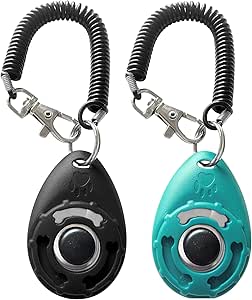
Pet Training Clicker with Wrist Strap
A reliable, ergonomic clicker with a wrist strap to keep your hands free during training sessions. The clear, consistent sound is perfect for marking correct behaviors.
Getting Started: The 3 Basic Steps
Before you can use the clicker to teach commands, you must teach your Dachshund what the click means. This process is called "charging" or "loading" the clicker.
Step 1: Charging the Clicker
The goal here is simple: build a strong association between the sound of the click and a high-value treat.
- Prepare a handful of very small, pea-sized treats.
- With your Dachshund in front of you, press the clicker once.
- Immediately (within one second) hand them a treat.
- Repeat this 10 to 15 times.
- You will know the clicker is "charged" when you click it and your dog immediately looks at your hand or face, expecting a treat.
Note: Do not ask your dog to do anything during this phase. They are just learning the association.
Step 2: Capturing a Known Behavior
Once the clicker is charged, use it to reinforce a behavior your Dachshund already knows, such as sitting.
- Wait for your dog to sit, or use a hand signal to guide them into a sit.
- The exact millisecond their bottom touches the floor, CLICK.
- Immediately give them a treat.
- Repeat this process. The precision of the click will help them understand exactly what earned the reward.
Step 3: Shaping New Behaviors
"Shaping" is where clicker training truly shines. It involves rewarding small steps toward a final goal behavior. For example, if you want to teach your Dachshund to go to their bed:
- Look at the bed. (Click and reward)
- Take one step toward the bed. (Click and reward)
- Touch the bed with one paw. (Click and reward)
- Stand completely on the bed. (Click and reward heavily)
By breaking the final goal into manageable pieces, you keep your Dachshund engaged and prevent frustration.
Crucial Safety and Health Considerations for Dachshunds
When training a Dachshund, their unique anatomy and health predispositions must dictate how you train.
Protect the Spine at All Costs
Dachshunds are highly susceptible to Intervertebral Disc Disease (IVDD). Never use clicker training to teach or encourage behaviors that put stress on their spine.
- Do not teach them to jump up for treats.
- Do not teach them to stand on their hind legs ("begging" or "dancing").
- Always deliver treats at their nose level so they don't have to strain their neck or back reaching up.
Watch the Calories
Because you will be using a lot of treats during clicker training, weight management is a serious concern. Obesity is a major risk factor for IVDD.
- Use extremely small treats (the size of a piece of kibble).
- Deduct the calories consumed during training from their daily meal allowance.
- Consider using a portion of their regular kibble as training treats if they are food-motivated enough.
Keep Sessions Short
Dachshunds have short attention spans for repetitive tasks. Keep training sessions brief—around 3 to 5 minutes—and always end on a positive note while they are still engaged and having fun.
Frequently Asked Questions
Q. Do I have to use the clicker forever?
A. No. The clicker is a teaching tool used to acquire new behaviors. Once a behavior is fully learned and put on a verbal cue, you can phase out the clicker and simply use verbal praise and intermittent treats. However, you can always bring the clicker back out when teaching something new.
Q. My Dachshund is scared of the click sound. What should I do?
A. Some dogs are sensitive to sharp noises. If your dog flinches or runs away, try muffling the sound by clicking it inside your pocket or behind your back. Alternatively, you can use a softer clicker or even a ballpoint pen that makes a quieter clicking noise.
Q. Can I use a verbal marker like "Yes" instead of a clicker?
A. Yes, a verbal marker works on the same principle. However, the mechanical clicker is often more effective initially because the sound is unique, consistent, and devoid of emotion, making it clearer for the dog to understand.
Conclusion
Clicker training is an incredibly effective, science-backed method that perfectly suits the intelligent and independent nature of the Dachshund. By using precise timing and positive reinforcement, you can communicate clearly with your dog, turning training into a cooperative game rather than a struggle.
Remember to start by charging the clicker, use shaping to teach complex behaviors, and always prioritize your Dachshund's spinal health and weight management. With patience and consistency, you'll be amazed at how quickly your stubborn little hunter transforms into an eager and willing learner.