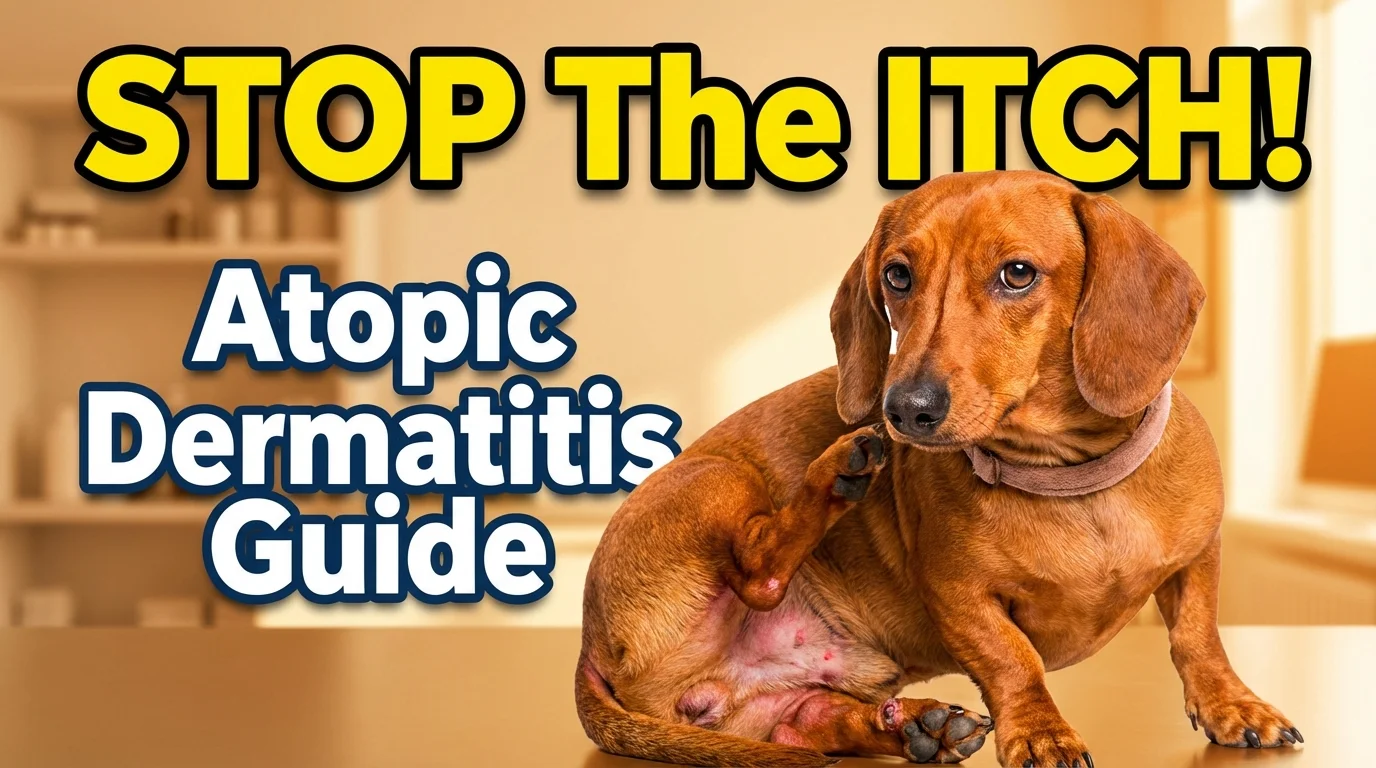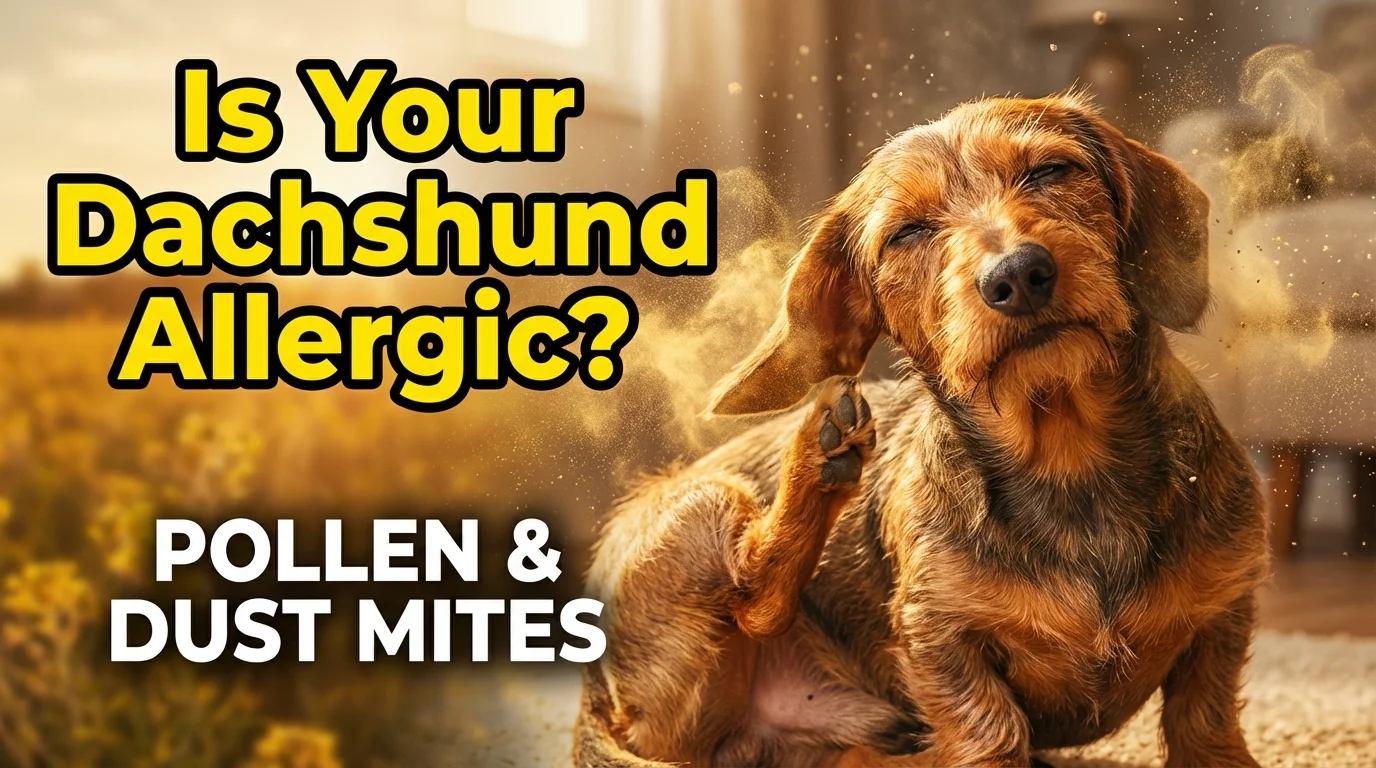
If your dachshund is constantly scratching, licking their paws, or rubbing their face against the carpet, they might be suffering from environmental allergies. Unlike food allergies, which are triggered by diet, environmental allergies are caused by substances in your dog's surroundings, such as pollen, dust mites, and mold.
These allergies, often referred to as atopic dermatitis or atopy, can significantly impact your dog's quality of life. In this comprehensive guide, we will explore why dachshunds are particularly susceptible to environmental allergens, how to identify the signs, and veterinary-backed strategies to provide your furry friend with much-needed relief.
Why Dachshunds Are Prone to Environmental Allergies
Environmental allergies occur when a dog's immune system overreacts to harmless substances (allergens) inhaled or absorbed through the skin. This overreaction triggers the release of histamines and other inflammatory chemicals, leading to intense itching and discomfort.
The Dachshund Physique
Dachshunds have a unique physical structure—long bodies and short legs. Because they are so low to the ground, their bellies and chests are in constant, close contact with grass, weeds, and floor surfaces. This proximity makes it incredibly easy for allergens like pollen and dust mites to adhere directly to their skin and coat. Furthermore, their dense coats can trap these microscopic particles, prolonging exposure and exacerbating the allergic response.
Genetic Predisposition
While any dog can develop allergies, certain breeds are genetically more predisposed to atopic dermatitis. Although dachshunds are not always at the very top of the list compared to breeds like Golden Retrievers or French Bulldogs, their specific coat types (especially wirehaired and longhaired varieties) and physical build make them highly susceptible to environmental triggers.
Common Environmental Allergens
The most frequent culprits behind environmental allergies in dogs include:
- Pollen: Tree, grass, and weed pollens are major triggers, especially during the spring and fall seasons. Dogs with pollen allergies often show seasonal spikes in their symptoms.
- Dust Mites: These microscopic organisms thrive in household dust, bedding, and carpets. They are a leading cause of year-round (perennial) allergy symptoms in dogs.
- Mold Spores: Found both indoors (in damp areas like basements and bathrooms) and outdoors (in decaying vegetation and fallen leaves), mold can be a persistent and difficult-to-avoid allergen.
- Animal Dander: Believe it or not, dogs can be allergic to the dander of other pets in the house, or even human dander.
- Flea Saliva: While technically a parasite issue, flea allergy dermatitis (FAD) is a severe allergic reaction to flea bites and often overlaps with environmental allergies, compounding the itching.
Recognizing the Signs of Environmental Allergies
The symptoms of environmental allergies in dachshunds primarily manifest on the skin. You will often notice these signs concentrated around the face, ears, belly, armpits, groin, and paws.
Intense Itching and Scratching (Pruritus)
The hallmark sign of an allergic reaction is severe itching. You may see your dachshund vigorously scratching their ears, chewing on their flanks, or incessantly licking their paws. The saliva from constant licking contains porphyrins, which can stain light-colored fur a reddish-brown hue, particularly between the toes and around the mouth.
Red, Inflamed Skin and Hair Loss
As your dog scratches, chews, and rubs against furniture for relief, the skin becomes mechanically damaged, inflamed, red, and irritated. This trauma often leads to patchy hair loss (alopecia). If the condition becomes chronic, the skin may thicken, darken, and develop a leathery texture—a condition known as lichenification.
Recurrent Ear Infections
Dachshunds with environmental allergies are highly prone to secondary ear infections (otitis externa). The allergic inflammation alters the microenvironment inside the ear canal, increasing humidity and changing the pH, which allows naturally occurring yeast and bacteria to overgrow. Signs include redness, a foul odor, dark waxy discharge, and frequent head shaking or pawing at the ears.
Watery Eyes and Sneezing
While less common than skin symptoms, some dachshunds may exhibit respiratory or ocular signs similar to human hay fever, such as clear nasal discharge, sneezing, and watery, red eyes.
The Diagnostic Process: Finding the Culprit
Diagnosing environmental allergies can be a complex process of elimination. Because the symptoms of atopic dermatitis mimic those of food allergies, flea allergy dermatitis, and other skin infections, your veterinarian will need to perform a thorough workup.
Ruling Out Parasites and Infections
The first step is always to rule out external parasites like fleas, ticks, and mites (such as those causing mange). Your vet will also perform skin cytology (examining skin cells under a microscope) to check for bacterial or yeast infections, which often complicate allergic conditions.
Food Trials
To differentiate between food and environmental allergies, your vet may recommend a strict elimination diet trial lasting 8 to 12 weeks. If the itching persists despite a strict hypoallergenic diet, environmental allergies become the primary suspect.
Allergy Testing
Once environmental allergies are suspected, your veterinarian or a veterinary dermatologist may recommend specific allergy testing to identify the exact triggers.
- Intradermal Skin Testing (IDST): Considered the gold standard, this involves shaving a patch of fur and injecting tiny amounts of various allergens under the skin to observe the local reaction.
- Blood Testing (Serology): A blood sample is analyzed to measure the levels of specific antibodies (IgE) against various environmental allergens.
Home Management and Relief Strategies
While environmental allergies cannot be completely cured, you can effectively manage the symptoms by minimizing allergen exposure and supporting your dog's skin barrier.
Post-Walk Allergen Removal
Preventing outdoor allergens from settling on your dog's skin is crucial. After every walk, use a damp washcloth or pet-safe grooming wipes to thoroughly clean your dachshund's paws, belly, and legs. Pay special attention to the areas between the paw pads where allergens easily accumulate. During peak pollen seasons, outfitting your dog in a lightweight protective shirt can serve as a physical barrier against allergens.
Indoor Environmental Control
If dust mites or indoor mold are the primary triggers, maintaining a pristine home environment is essential.
- Frequent Cleaning: Vacuum carpets and rugs regularly using a vacuum equipped with a HEPA filter. Hardwood floors are preferable to carpets for allergic dogs.
- Bedding Maintenance: Wash your dachshund's bedding weekly in hot water (at least 130°F or 54°C) to kill dust mites.
- Air Purification: Utilize high-quality HEPA air purifiers in the rooms where your dog spends the most time to capture airborne allergens.
- Humidity Management: Keep indoor humidity levels between 40% and 50% to discourage the growth of mold and the proliferation of dust mites. Use a dehumidifier in damp areas like basements.
Skincare and Bathing
Regular bathing helps physically remove allergens from the coat and skin. However, over-bathing with harsh shampoos can strip the skin of natural oils, worsening the condition and compromising the skin barrier. Use a gentle, hypoallergenic shampoo recommended by your veterinarian. Look for ingredients like oatmeal, aloe vera, or ceramides that soothe and moisturize the skin.

earthbath, Hypoallergenic Dog Shampoo
A gentle, fragrance-free shampoo designed specifically for dogs with allergies and sensitive skin. It helps soothe itching and cleanses without irritating the skin barrier.
Nutritional Support
Supporting your dachshund's skin barrier from the inside out is a key component of allergy management. Essential fatty acids, particularly Omega-3s found in fish oil, have natural anti-inflammatory properties and can help improve coat quality and reduce itching. Consult your vet about incorporating a high-quality Omega-3 supplement into your dog's diet.
Veterinary Treatments for Environmental Allergies
When home management is insufficient to control the itching, or if secondary skin infections develop, veterinary intervention is necessary. Your vet will tailor a treatment plan based on the severity of the symptoms and the specific allergens involved.
Symptomatic Relief: Anti-Itch Medications
To break the itch-scratch cycle and provide immediate relief, your vet may prescribe:
- Antihistamines: While not as universally effective in dogs as in humans, medications like Benadryl or Zyrtec can provide mild relief for some dogs.
- Corticosteroids: Drugs like prednisone are highly effective at stopping itching and inflammation quickly. However, due to potential long-term side effects, they are usually prescribed for short-term flare-ups rather than ongoing management.
Long-Term Immunomodulatory Therapy
For chronic, severe allergies, long-term medications that target the immune system's allergic response are often necessary.
- Oclacitinib (Apoquel): An oral medication that specifically targets the pathways in the body that cause itching and inflammation. It is fast-acting and generally well-tolerated for long-term use.
- Lokivetmab (Cytopoint): An injectable biological therapy that neutralizes a specific protein involved in the itch signal. A single injection can provide relief for 4 to 8 weeks.
- Cyclosporine (Atopica): An oral immunosuppressant that reduces the overall allergic response. It takes longer to take effect than Apoquel or Cytopoint but is effective for severe cases.
Allergen-Specific Immunotherapy (ASIT)
Often referred to as "allergy shots" or sublingual (under the tongue) drops, ASIT is the only treatment that addresses the underlying cause of the allergy rather than just masking the symptoms. Based on the results of allergy testing, a custom serum is formulated containing tiny amounts of the specific allergens your dog reacts to. By administering this serum gradually over time, the dog's immune system becomes desensitized to the allergens, reducing the severity of the allergic response. This process requires patience, as it can take several months to a year to see significant improvement.
Frequently Asked Questions (FAQ)
Q: How can I tell if my dachshund has a food allergy or an environmental allergy?
Food allergies often cause year-round symptoms and may be accompanied by gastrointestinal issues like vomiting, diarrhea, or frequent bowel movements. Environmental allergies, particularly to pollen, are often seasonal, flaring up in the spring or fall. However, dust mite allergies are also year-round, making diagnosis tricky. A veterinarian can help differentiate the two through strict food elimination trials and specific allergy testing.
Q: Are there specific diets that help with environmental allergies?
While a diet change won't cure an environmental allergy, feeding a high-quality food rich in Omega-3 fatty acids (like those found in fish oil) can help strengthen the skin's natural barrier and reduce overall inflammation. Some therapeutic diets are specifically formulated to support skin health and may be recommended by your vet to complement other treatments.
Q: Can I use human allergy medicine for my dog?
Never give your dog human medications without explicit instructions from your veterinarian. Many human drugs, including certain antihistamines and decongestants, contain ingredients (like xylitol or pseudoephedrine) that are highly toxic to dogs. Furthermore, the dosages vary significantly between humans and dogs. Always consult your vet for appropriate, dog-safe treatments.
Q: Will my dachshund outgrow their environmental allergies?
Unfortunately, environmental allergies are a lifelong condition and dogs typically do not outgrow them. In fact, symptoms often worsen as the dog ages and is repeatedly exposed to the allergens. However, with a comprehensive and proactive management plan, you can successfully control the symptoms and ensure your dog lives a comfortable, happy life.
Conclusion
Environmental allergies can cause significant discomfort and distress for your dachshund, but with vigilance, patience, and proactive care, you can manage the symptoms effectively. Because of their low stature and dense coats, dachshunds are particularly vulnerable to allergens like pollen, dust mites, and mold spores.
By implementing strict indoor cleaning routines, diligently wiping down your dog after walks, utilizing appropriate hypoallergenic skincare products, and working closely with your veterinarian to develop a tailored medical treatment plan, you can significantly reduce their allergen exposure and alleviate their itching. Remember that managing allergies is a marathon, not a sprint, but seeing your beloved dachshund comfortable and itch-free makes the effort entirely worthwhile.