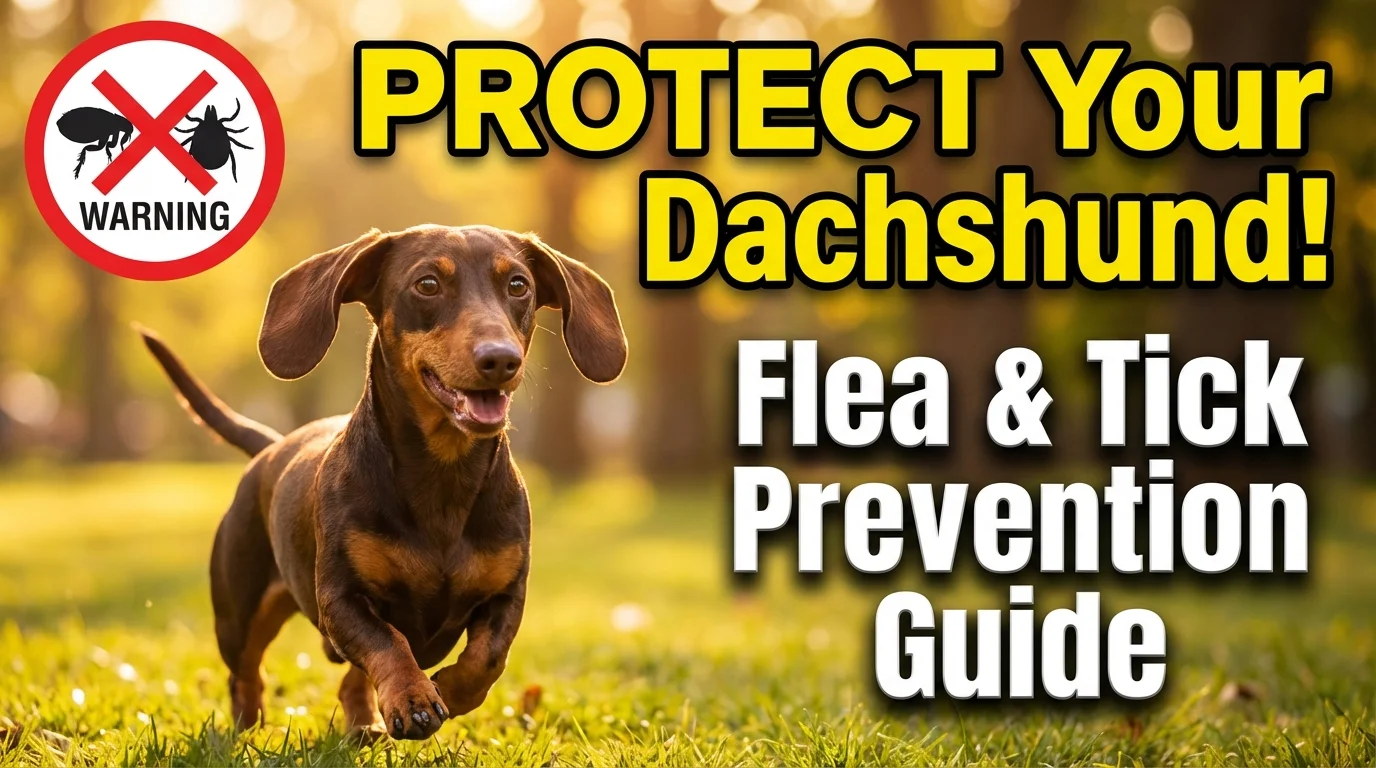
As the weather warms up, you and your dachshund are likely eager to spend more time outdoors. However, spring and summer also bring an increased risk of fleas and ticks. With their long bodies low to the ground and their love for exploring grassy areas, dachshunds are particularly susceptible to picking up these nasty parasites.
Flea and tick infestations are more than just a nuisance; they can cause serious health problems, from skin infections to life-threatening diseases. This guide provides a comprehensive, science-based overview of the dangers fleas and ticks pose and explains how to choose the most effective prevention strategy to keep your beloved dachshund safe and healthy all year round.
Why Flea and Tick Prevention is Critical for Dachshunds
Dachshunds' adventurous nature and unique physique make them prime targets for external parasites. Understanding the specific threats these pests pose is the first step toward effective protection.
The Dangers of Fleas
Fleas are tiny, resilient insects that reproduce at an alarming rate. A single female flea can lay up to 50 eggs per day, leading to a full-blown infestation in a matter of weeks. When a flea bites your dog, it injects saliva that can cause a range of issues:
- Flea Allergy Dermatitis (FAD): This is one of the most common skin diseases in dogs. It's an allergic reaction to flea saliva that causes intense itching, scratching, hot spots, and hair loss.
- Anemia: In severe infestations, particularly in small puppies or senior dogs, the blood loss from countless flea bites can lead to anemia, a potentially life-threatening condition.
- Tapeworms: Dogs can become infected with tapeworms by ingesting a flea carrying tapeworm larvae while grooming. This can cause gastrointestinal upset and weight loss.
The Threat of Ticks and Tick-Borne Diseases
Ticks are arachnids that latch onto a host and feed on its blood for several days. They are often found in wooded areas, tall grass, and leaf piles. The primary danger of ticks is their ability to transmit a variety of serious diseases, including:
- Lyme Disease: A bacterial infection that can cause fever, lethargy, lameness, and joint swelling. If left untreated, it can lead to kidney damage and other chronic issues.
- Ehrlichiosis: Another bacterial illness that attacks the blood cells, causing fever, bruising, and bleeding disorders.
- Rocky Mountain Spotted Fever: A severe and potentially fatal bacterial disease that can cause fever, vomiting, and neurological problems.
Because these diseases can be difficult to treat and have long-term consequences, preventing tick bites in the first place is paramount.
Vet-Prescribed vs. Over-the-Counter (OTC) Products
When choosing a flea and tick preventive, you'll encounter two main categories: products prescribed by a veterinarian and those available over-the-counter at pet or grocery stores.
- Veterinary-Prescribed Products: These are regulated as pharmaceuticals and have undergone rigorous testing for safety and efficacy. They are designed to kill fleas and ticks quickly and effectively, which is crucial for preventing disease transmission. They are the gold standard for protection.
- Over-the-Counter (OTC) Products: The effectiveness of OTC products can vary widely. Many are primarily repellents, meaning they may not kill the parasites. Some older OTC spot-on treatments contain pyrethroids, which can be toxic if not used correctly, especially in households with cats.
For reliable and safe protection against the serious diseases that ticks carry, veterinarian-prescribed products are always the recommended choice.
Types of Flea & Tick Preventives
Preventives come in several forms. The best choice for your dachshund depends on their lifestyle, health, and your personal preference.
| Application Type | Pros | Cons | Examples (Vet-Prescribed) |
|---|---|---|---|
| Topical (Spot-On) | - Easy, once-a-month application. - Some are waterproof. | - Can be messy; must dry completely. - May cause skin irritation in sensitive dogs. | Frontline Plus, K9 Advantix II |
| Oral (Chewable) | - No mess, easy to administer. - Not affected by bathing or swimming. - Can't be rubbed or licked off. | - Requires dog to eat the chew. - May not be suitable for dogs with food allergies. | NexGard, Bravecto, Simparica Trio |
Recommended Flea & Tick Prevention for Your Dachshund
Always consult your veterinarian to determine the best product for your dog based on their specific needs and the prevalence of parasites in your area. Here is a popular, effective option available in the United States.
K9 Advantix II (Topical)
K9 Advantix II is a vet-recommended monthly topical treatment that not only kills but also repels fleas, ticks, and mosquitoes. The repellent action is a key advantage, as it can prevent parasites from biting in the first place, reducing the risk of disease transmission. It's important to choose the correct dosage based on your dachshund's weight.

K9 Advantix II Flea, Tick & Mosquito Prevention for Small Dogs 4-10 lbs.
This 4-pack provides four months of protection for small dogs in the 4-10 lbs weight range, which is suitable for many miniature dachshunds. It's a broad-spectrum parasiticide that is easy to apply.
Frequently Asked Questions (FAQ)
Q1: When should I start flea and tick prevention?
A1: Ticks can become active in temperatures as low as 40°F (4°C). Fleas thrive in warmer weather but can survive indoors year-round. To ensure complete protection, most veterinarians recommend year-round prevention, regardless of where you live.
Q2: My dachshund is mostly an indoor dog. Does he still need prevention?
A2: Yes. Fleas and ticks can easily hitch a ride into your home on your clothes or other pets. Even a quick trip outside to the backyard can expose your dog to parasites. Consistent prevention is the only way to guarantee they stay pest-free.
Q3: Can I use more than one flea/tick product at a time?
A3: Never combine flea and tick products without consulting your veterinarian. Doing so can lead to an overdose of active ingredients and cause serious health issues. Your vet can recommend a safe and effective all-in-one product if you need protection against multiple types of parasites (like heartworm).
What to Do If You Find a Tick on Your Dachshund
If you find a tick attached to your dog, it's important to remove it promptly and correctly. Do not use your fingers, as squeezing the tick's body can inject disease-causing agents into your dog.
- Use a pair of fine-tipped tweezers or a special tick removal tool to grasp the tick as close to the skin's surface as possible.
- Pull upward with steady, even pressure. Do not twist or jerk the tick.
- After removing the tick, clean the bite area and your hands with rubbing alcohol or soap and water.
- Dispose of the live tick by putting it in alcohol, placing it in a sealed bag, or flushing it down the toilet.
If you are uncomfortable removing the tick yourself, contact your veterinarian immediately.
Conclusion
Keeping your dachshund safe from fleas and ticks is a critical part of responsible pet ownership. These parasites are not only a source of discomfort but also a vector for dangerous diseases. By understanding the risks and working with your veterinarian to choose an effective, vet-prescribed preventive, you can ensure your long-bodied friend stays happy and healthy.
- Always use a veterinarian-recommended flea and tick preventive.
- Choose a product type (topical or oral) that best fits your dog's needs.
- Maintain year-round prevention for the most reliable protection.
- If you find a tick, remove it carefully or see your vet.
With the right preventive plan in place, you can enjoy all your outdoor adventures with your dachshund, worry-free.