Dachshunds come in three distinct coat varieties: smooth, long-haired, and wire-haired. Each coat type has its own texture, growth pattern, and maintenance requirements, which means there is no one-size-fits-all grooming routine for this breed. A smooth dachshund and a wire-haired dachshund might share the same iconic body shape, but the tools, techniques, and time investment needed to keep their coats healthy are fundamentally different.
Grooming is about far more than aesthetics. Regular grooming sessions allow you to detect skin abnormalities, parasites, lumps, and other health issues before they become serious problems. Grooming also promotes blood circulation to the skin, distributes natural oils through the coat, and strengthens the bond between you and your dog. This guide provides detailed, coat-specific grooming instructions along with essential care practices that apply to every dachshund regardless of coat type, including ear cleaning, nail trimming, dental care, and anal gland maintenance.
Brushing by Coat Type
Smooth Coat Dachshunds
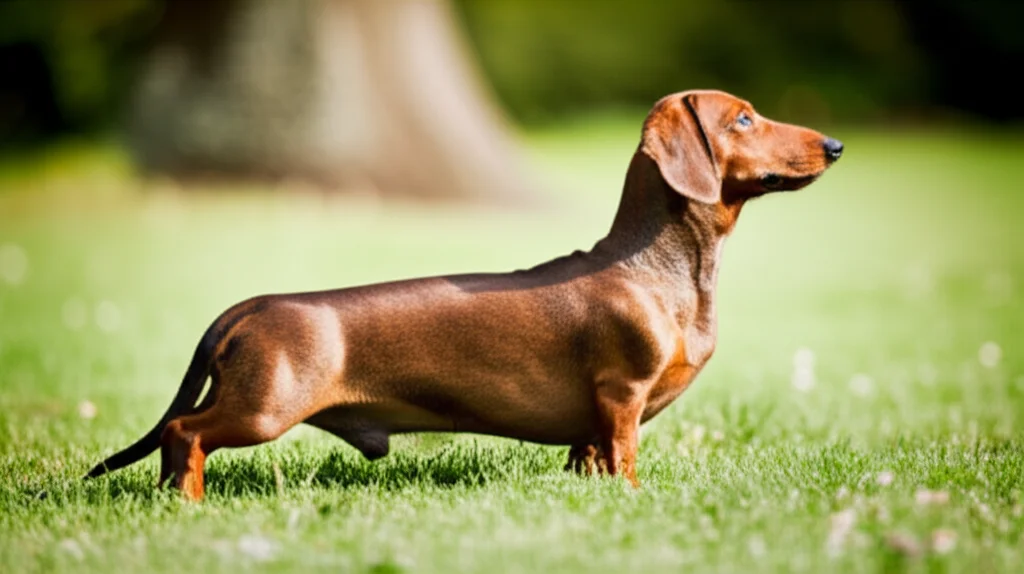
The smooth coat is the original dachshund coat type. It is short, dense, and shiny, lying close to the body. Smooth dachshunds are often assumed to require no brushing at all, but this is a misconception. While they are the lowest-maintenance of the three coat types, regular brushing removes dead hair, distributes skin oils, and keeps the coat gleaming.
Frequency: Once or twice per week. Increase to daily during spring and fall shedding seasons.
Recommended tools: A rubber curry brush or grooming mitt is ideal for smooth dachshunds. These tools grip and remove loose hair without irritating the skin. A soft bristle brush can be used as a finishing tool to add shine. Avoid slicker brushes and pin brushes, which are designed for longer coats and can scratch the skin of a smooth-coated dog.
Technique: Work the rubber brush in circular motions over the entire body, following the direction of hair growth. Pay particular attention to the chest, sides, and base of the tail where shedding tends to be heaviest. Follow up with a bristle brush or a chamois cloth to smooth the coat and bring out its natural luster.
Despite their short hair, smooth dachshunds are moderate shedders. During seasonal coat changes, you may be surprised by the volume of hair a small smooth dachshund can produce. An undercoat removal tool designed for short-haired breeds can be highly effective during these periods.
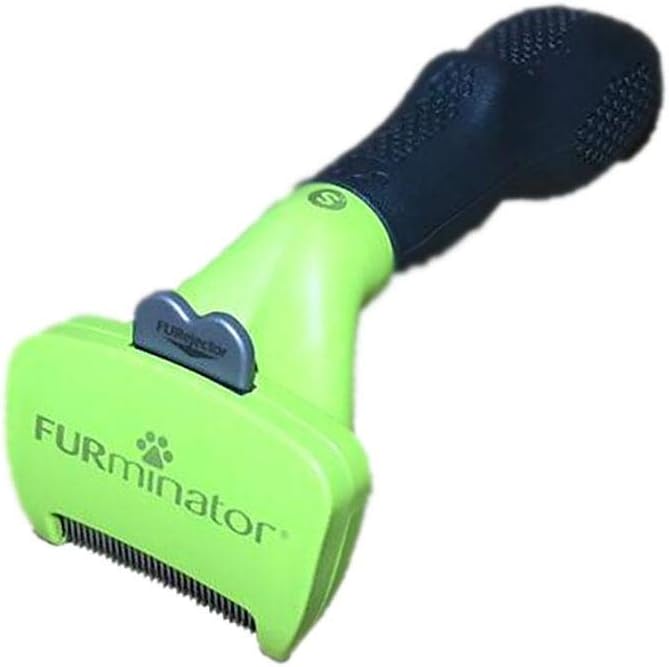
FURminator Undercoat deShedding Tool for Small Dogs, Short Hair
Designed specifically for small dogs with short coats under 2 inches. The stainless steel deShedding edge reaches through the topcoat to safely remove loose undercoat hair without cutting skin or damaging the coat. A FURejector button releases collected hair with one push for easy cleaning.
Long-Haired Dachshunds
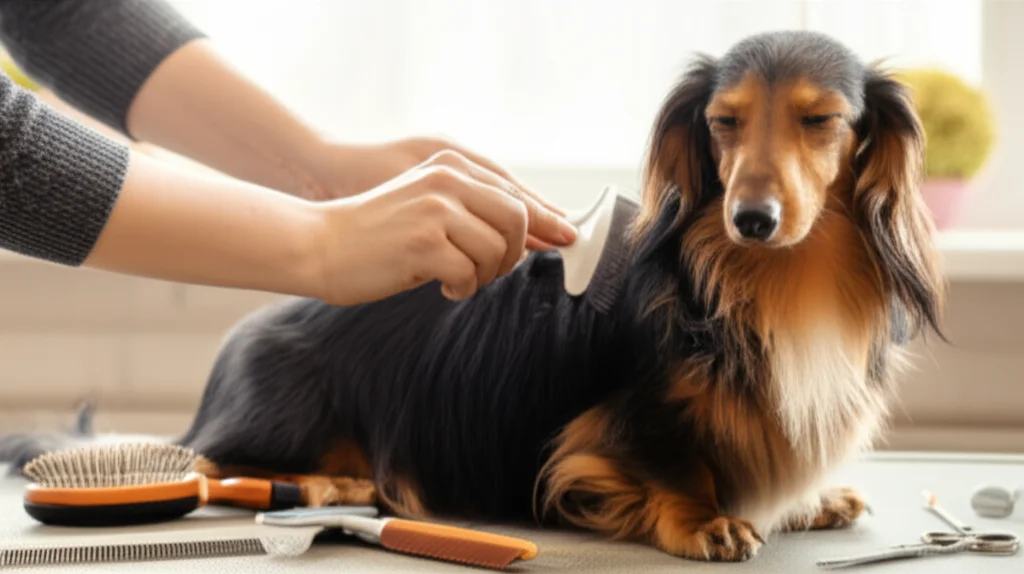
Long-haired dachshunds have soft, silky fur that forms elegant feathering on the ears, chest, belly, legs, and tail. This beautiful coat requires the most consistent grooming attention of the three varieties. Without regular care, the long, fine hair is prone to matting, especially in high-friction areas like behind the ears, under the legs, and around the collar.
Frequency: Daily to every other day. Matting can form surprisingly quickly, and established mats are painful to remove and can cause skin irritation underneath.
Recommended tools: A high-quality slicker brush is the primary tool for long-haired dachshunds. Use a metal comb (sometimes called a Greyhound comb) to check for tangles that the slicker brush may have missed. A pin brush works well for lighter daily maintenance. During shedding season, a deShedding tool or undercoat rake helps remove the dense undercoat without damaging the longer topcoat.
Technique:
- Start with the metal comb to gently check for tangles and mats throughout the coat. If you encounter a mat, hold the base of the hair close to the skin with one hand (to avoid pulling) and work the mat apart with the comb or your fingers. A detangling spray can help.
- Use the slicker brush to work through the entire coat in sections, brushing from the root to the tip. Lift the hair and brush in layers rather than just skimming the surface.
- Pay special attention to the feathering behind the ears, the armpits, the belly, the inner thighs, and the base of the tail. These areas mat first.
- Finish with the metal comb through the feathered areas to ensure every tangle has been addressed.
- For the ear fringe, gently brush downward and outward, supporting the ear leather with your other hand.
Wire-Haired Dachshunds
Wire-haired dachshunds sport a double coat consisting of a harsh, wiry outer coat and a softer, denser undercoat. They also have distinctive facial furnishings including bushy eyebrows and a beard. The wire coat was developed to protect the dachshund while working in thorny underbrush, and it requires a unique grooming technique called hand-stripping to maintain its proper texture and appearance.
Frequency: Brushing two to three times per week. Hand-stripping every two to three months.
Recommended tools: A slicker brush for regular brushing, a metal comb for checking tangles in the facial furnishings and leg hair, and a stripping knife or stripping stone for hand-stripping.
Technique for regular brushing: Use the slicker brush to work through the body coat, removing debris and loose hair. Comb through the beard, eyebrows, and leg furnishings carefully, as these areas can develop tangles.
About hand-stripping: Hand-stripping involves plucking dead hair from the coat by hand or with a stripping knife. This preserves the coat's wiry texture, rich color, and weather-resistant properties. If a wire-haired dachshund is clipped instead of stripped, the coat gradually loses its characteristic harsh texture and becomes softer and duller over time. This change is cosmetic and does not harm the dog, but show dogs and owners who value the traditional wire coat appearance should commit to regular stripping. The process is not painful when done correctly because only dead, loose hairs are removed. However, it is a skill that takes practice, so many owners choose to have a professional groomer who is experienced with wire-haired breeds handle the stripping.
Bathing Your Dachshund: Shampoo Selection and Technique
How Often to Bathe
Dachshunds do not need frequent baths. Bathing once a month is sufficient for most dogs, though you can extend the interval to every six to eight weeks if your dachshund stays relatively clean. Overbathing strips the coat of its natural oils, leading to dry, itchy skin and a dull coat. Between baths, spot-cleaning with a damp cloth or grooming wipes handles most everyday dirt.
Exceptions include rolling in something foul (a dachshund specialty), visible mud or debris in the coat, and veterinary-recommended medicated baths for skin conditions.
Choosing the Right Shampoo
The shampoo you use matters more than most owners realize. A dog's skin has a different pH level (approximately 6.5 to 7.5) than human skin (approximately 4.5 to 5.5), so human shampoos can disrupt the skin's acid mantle and cause irritation.
Look for these qualities in a dog shampoo:
- Formulated specifically for dogs: This ensures the correct pH balance.
- Gentle, natural ingredients: Oatmeal, aloe vera, coconut oil, and chamomile are soothing ingredients that moisturize and calm sensitive skin.
- Free from harsh chemicals: Avoid shampoos with parabens, sulfates, artificial dyes, and strong synthetic fragrances.
- Appropriate for your dog's needs: If your dachshund has allergies or sensitive skin, choose a hypoallergenic formula. For wire-haired dachshunds, a texturizing shampoo can help maintain coat body.

Earthbath Oatmeal & Aloe Dog Shampoo
All-natural, soap-free dog shampoo formulated with colloidal oatmeal and organic aloe vera to combat skin irritation, promote healing, and re-moisturize sensitive, dry skin. Vanilla and almond scent. Safe for dogs over 6 weeks old and will not wash off topical flea treatments.
Step-by-Step Bathing Guide
- Prepare everything before you start: Gather shampoo, towels, and a non-slip mat for the tub or sink. Having everything within reach means you never need to leave a wet, slippery dachshund unattended.
- Use lukewarm water (around 98 to 100 degrees Fahrenheit): Test the temperature on the inside of your wrist. Water that feels neutral or slightly warm to your skin is correct.
- Wet the body thoroughly before applying shampoo: Start from the neck and work backward. Keep water out of the ears by holding the ear flap down or placing cotton balls loosely in the ear canals. Wet the face last and carefully, avoiding the eyes.
- Lather and massage the shampoo into the coat: Work from neck to tail, paying attention to the belly, legs, and paw pads. Be gentle around the face, using a washcloth if needed.
- Rinse thoroughly: This step is critically important. Shampoo residue left on the skin is the number one cause of post-bath itching and irritation. Rinse until the water runs completely clear, then rinse a little more. Check under the legs, between the toes, and around the ears.
- Dry completely: Towel dry first, blotting rather than rubbing to avoid tangling long coats. Then use a blow dryer on a cool or low-heat setting, keeping it at least six inches from the skin and moving it constantly. For long-haired dachshunds, brush while drying to prevent tangles and achieve a smooth, flowing finish. Never skip the drying step because a damp coat, especially on a low-riding dog whose belly is close to the ground, can lead to skin infections.
Nail Trimming: An Essential Health Practice
Why Nail Care Matters for Dachshunds
Overgrown nails are not just an aesthetic issue. When nails grow too long, they alter the angle of the toes, which changes the dog's gait and posture. For a dachshund, whose spinal health depends on proper body mechanics, even a subtle change in how the feet meet the ground can place additional stress on the back. Long nails can also curve and grow into the paw pad, causing pain and infection.
How Often to Trim
Every two to three weeks is a good general guideline. If you can hear your dachshund's nails clicking on hard floors, they are overdue for a trim. Dogs that walk frequently on pavement may need less frequent trimming because the abrasive surface naturally files the nails down.
Trimming Technique
For light-colored nails: You can see the pink quick (the blood vessel and nerve inside the nail) through the nail. Cut two to three millimeters before the quick, angling the cut to follow the natural curve of the nail.
For dark nails: The quick is not visible, so you must trim conservatively, removing only small slices at a time. After each cut, examine the cross-section of the nail. When you begin to see a dark dot in the center of the lighter cross-section, you are approaching the quick and should stop.
Tools: A guillotine-style clipper or a scissor-style clipper designed for small dogs works well. Alternatively, a rotary nail grinder files the nail down gradually and allows more precision, though some dogs find the vibration and noise unsettling at first.
If You Cut the Quick
Accidents happen, even to experienced groomers. Keep styptic powder (such as Kwik Stop) on hand. If a nail bleeds, apply the styptic powder directly to the end of the nail with gentle pressure. The bleeding will stop within a few minutes. Stay calm because your dog will take emotional cues from you.
Ear Care: Critical for Floppy-Eared Breeds
Dachshunds have pendulous ears that fold down over the ear canal, creating a warm, dark, moist environment that is ideal for bacterial and yeast growth. This anatomical feature makes dachshunds significantly more susceptible to ear infections than prick-eared breeds. Preventive ear care is not optional for this breed but rather a critical part of the grooming routine.
Weekly Ear Checks
Once a week, lift each ear flap and inspect the interior. A healthy ear is pale pink, has minimal odor, and contains little to no visible debris. Signs that something is wrong include redness, swelling, dark brown or black discharge, a yeasty or foul smell, and excessive scratching or head shaking.
How to Clean the Ears
- Use a veterinary-approved ear cleaning solution. Never use water, hydrogen peroxide, alcohol, or vinegar inside the ear canal, as these can cause irritation or damage.
- Lift the ear flap and squeeze a few drops of cleaning solution into the ear canal.
- Gently massage the base of the ear for 20 to 30 seconds. You will hear a squishing sound as the solution loosens debris inside the canal.
- Allow your dog to shake their head. This is messy but necessary because it brings loosened debris to the surface.
- Use a cotton ball or soft gauze to wipe away visible debris from the folds of the ear. Never insert cotton swabs into the ear canal. They push debris deeper and risk puncturing the eardrum.
When to See the Vet
If you notice persistent redness, thick or colored discharge, a strong odor, or if your dachshund is showing signs of ear pain (holding the head to one side, yelping when the ear is touched, refusing to eat on the affected side), schedule a veterinary appointment promptly. Ear infections can escalate quickly and may require prescription medication to resolve.
Dental Care: Preventing Periodontal Disease
Periodontal disease affects an estimated 80 percent of dogs over the age of three, and small breeds like dachshunds are at elevated risk because their teeth are proportionally larger relative to their jaw size, creating tighter spacing where plaque accumulates. Beyond the mouth, bacteria from periodontal disease can enter the bloodstream and affect the heart, liver, and kidneys.
Brushing Your Dachshund's Teeth
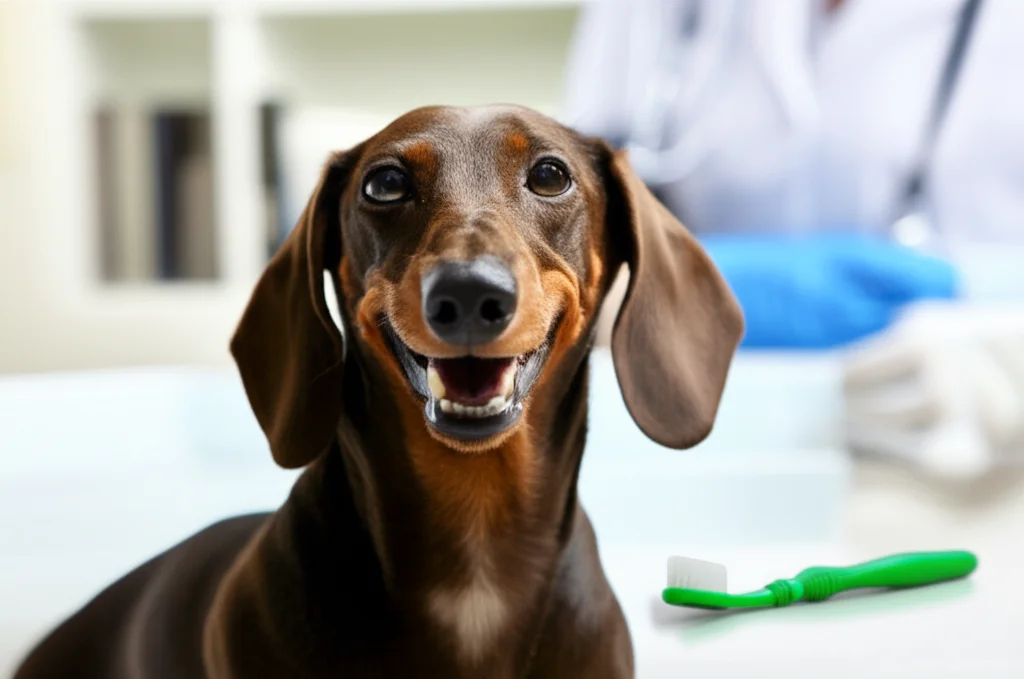
Frequency: Daily is ideal. If that is not feasible, aim for at least three to four times per week.
Supplies: A dog-specific toothbrush (finger brushes work well for dachshunds) and enzymatic dog toothpaste. Dog toothpaste comes in flavors like poultry and beef that dogs find appealing. Never use human toothpaste, which contains fluoride and sometimes xylitol, both of which are harmful to dogs if swallowed.
Technique: Lift the lip to expose the teeth and gums. Brush in small circular motions, focusing on the gum line where plaque builds up. The outer surfaces of the teeth are most important because the tongue does a reasonable job of keeping the inner surfaces clean. Focus especially on the upper back teeth (premolars and molars), where tartar accumulates fastest.
Getting your dog comfortable: If your dachshund has never had their teeth brushed, introduce the process gradually over several days. Day one: let them lick the toothpaste off your finger. Day two: run your finger along the gum line with toothpaste. Day three: introduce the brush briefly. Reward compliance with praise and treats at every step.
Supplemental Dental Care
Veterinary dental chews (look for the VOHC seal of approval) can help reduce plaque and tartar between brushings. However, they are supplements to brushing, not substitutes. Be cautious with hard chews like antlers and weight-bearing bones, which can fracture teeth. Professional dental cleanings under anesthesia, as recommended by your veterinarian, are an important part of long-term dental health.
Anal Gland Care
Dachshunds, like all dogs, have two anal glands (also called anal sacs) located at roughly the four o'clock and eight o'clock positions around the anus. These glands produce a pungent fluid that is normally expressed in small amounts during bowel movements. In many small breeds, however, the glands do not empty properly on their own, leading to impaction, discomfort, and potential infection or abscess.
Signs of Anal Gland Problems
- Scooting (dragging the rear end across the floor)
- Excessive licking or biting at the base of the tail or anal area
- A strong, fishy odor from the rear end
- Swelling or redness near the anus
- Difficulty or straining during defecation
Expression Frequency
Check with your veterinarian to determine if your dachshund needs regular manual expression of the anal glands. Some dogs need it monthly, while others rarely have issues. If manual expression is needed, your veterinarian or groomer can perform it quickly and safely. While it is possible to learn to do this at home, improper technique can cause pain, injury, or rupture of the gland, so it is best to learn from a professional before attempting it yourself.
Seasonal Grooming Considerations
Spring
Spring triggers the first major shedding season as the winter undercoat is released. Increase brushing frequency for all coat types. This is also when fleas and ticks become active, so ensure preventive treatments are current. Dogs with seasonal allergies may benefit from post-walk paw washes to remove pollen.
Summer
Heat and humidity increase the risk of skin infections, especially in dachshunds whose low bodies are close to warm, moist ground. Ensure the coat is completely dry after baths or swimming. Check for foxtails and burrs after outdoor walks. Protect paw pads from hot pavement and consider pet-safe sunscreen for smooth-coated dachshunds with light skin, especially on the belly and nose.
Fall
The second shedding season occurs as the summer coat gives way to a thicker winter coat. Ramp up brushing again. Begin using a moisturizing shampoo or conditioner if you notice the coat becoming dry as humidity drops.
Winter
Cold, dry air and indoor heating can cause dry skin and static in the coat. Consider using a humidifier in the rooms where your dachshund spends the most time. Protect paw pads from ice, salt, and chemical de-icers by wiping feet after every walk. A paw balm can help prevent cracking. Reduce bathing frequency if your dog's skin is dry, and use a moisturizing shampoo when you do bathe.
Frequently Asked Questions
Does my dachshund need professional grooming?
Smooth dachshunds generally do not require professional grooming, though some owners appreciate having a groomer handle nail trimming and anal gland expression. Long-haired dachshunds benefit from professional grooming every two to three months for trimming feathering, tidying paw fur, and sanitary trims. Wire-haired dachshunds ideally need professional hand-stripping every two to three months to maintain their coat texture and appearance.
When should I start grooming a dachshund puppy?
Start as early as possible. Begin handling your puppy's paws, ears, and mouth from the day you bring them home. Introduce a soft brush at around eight weeks of age, keeping sessions very short (under a minute) and pairing them with treats. The goal during puppyhood is not a thorough groom but rather building positive associations with the grooming process. First baths can happen after the puppy's initial vaccination series is complete, typically around 12 to 16 weeks of age.
My dachshund has skin redness and itching. What should I do?
First, check for obvious causes: flea bites, contact with an irritant, or a recent change in shampoo or diet. Dachshunds can develop allergic dermatitis from environmental triggers (pollen, dust mites, mold) or food sensitivities. Mild redness may resolve on its own, but if the irritation persists beyond a day or two, is accompanied by hair loss, pustules, or open sores, or if your dog is scratching intensely, seek veterinary attention. Do not apply human medications or creams without veterinary guidance, as some are toxic to dogs.
How can I make grooming easier if my dachshund resists it?
Desensitization is key. Break the grooming process into small, manageable steps. For example, if your dog hates nail trims, spend several days just touching their paws and rewarding calm behavior. Then introduce the sight of the nail clipper (reward). Then touch the clipper to one nail (reward). Then clip a single nail (reward and done for the day). This gradual approach, combined with high-value treats and a calm environment, transforms grooming from a battle into a cooperative routine. If severe anxiety persists, consult a veterinary behaviorist.
Conclusion
Grooming your dachshund is an investment in their health, comfort, and quality of life. By understanding the specific needs of your dachshund's coat type and committing to a regular routine that includes brushing, bathing, nail care, ear cleaning, dental hygiene, and seasonal adjustments, you are doing far more than keeping your dog looking good. You are preventing painful health conditions, catching potential problems early, and spending focused, hands-on time with your companion that deepens the bond between you.
The key to successful grooming is consistency. A few minutes of daily brushing is more effective than a marathon session once a month. A weekly ear check takes 30 seconds and can prevent a painful infection that requires weeks of medication. And every tooth you brush is an investment in your dachshund's systemic health. Build grooming into your daily routine, approach it with patience and positive reinforcement, and it will become a valued ritual for both you and your dachshund.