If you own a dachshund, switching from a collar to a harness is one of the simplest yet most impactful things you can do for your dog's health. Dachshunds are genetically predisposed to intervertebral disc disease (IVDD), and the pressure that a traditional collar places on the neck and spine can increase the risk of injury.
In this guide, we break down what makes a harness dachshund-friendly, review the most popular options, and help you find the perfect fit for your wiener dog.
Why Dachshunds Need a Harness (Not a Collar)
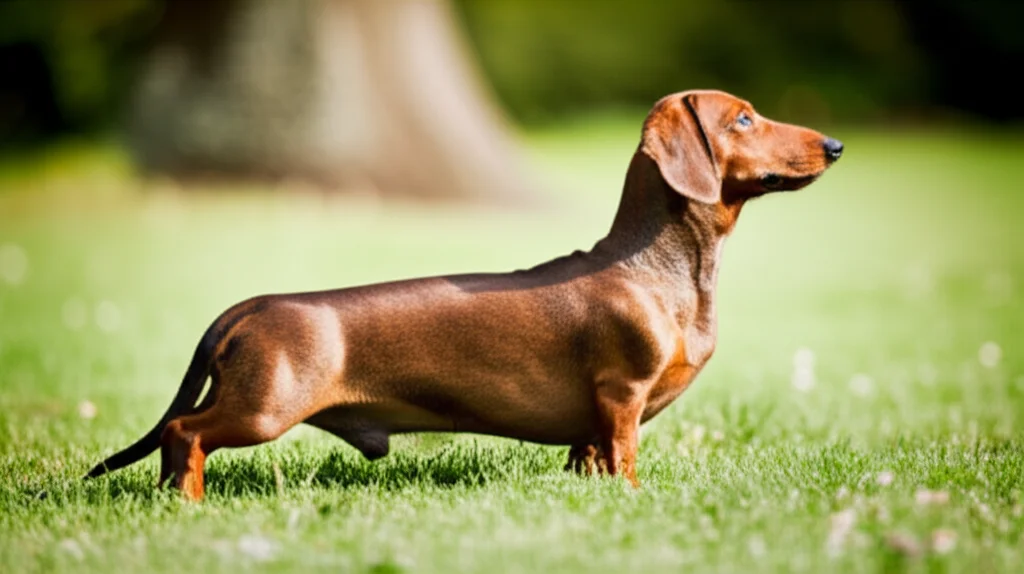
The dachshund's elongated spine and short legs create a body structure that is uniquely vulnerable to spinal stress. When a dachshund pulls against a collar, the force is concentrated on the cervical spine (neck area), which can lead to:
- Cervical disc damage: Repeated pulling can stress the discs in the neck
- Tracheal collapse risk: Especially in miniature and kaninchen dachshunds
- Neck strain: The sudden jerking motion common in leash-reactive dogs
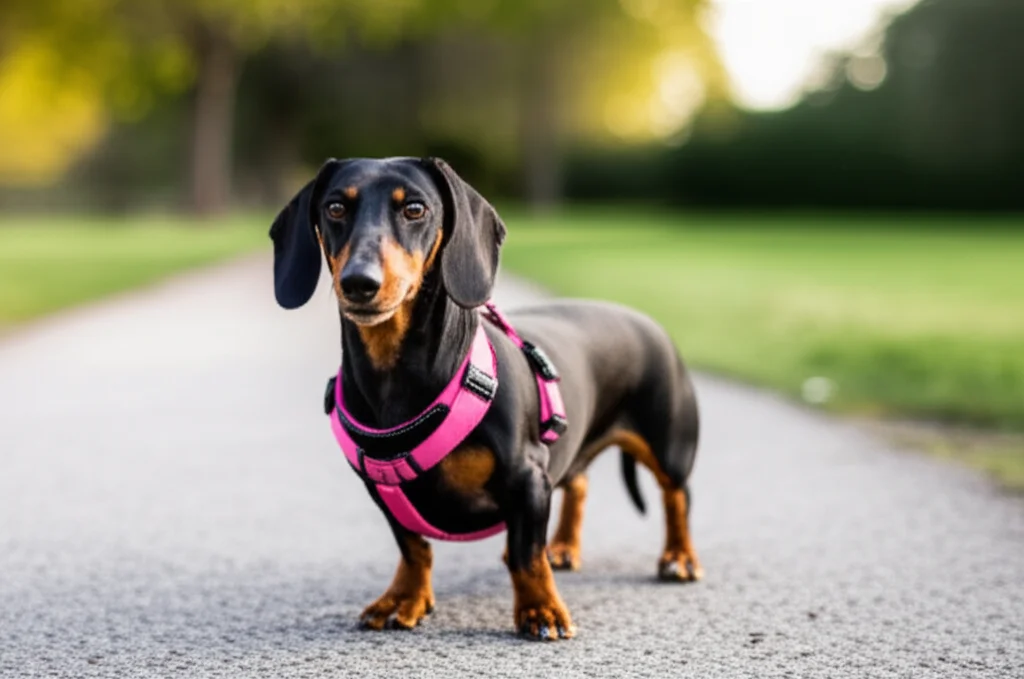
A properly fitted harness distributes the force across the chest and shoulders, keeping the spine neutral. Veterinary orthopedic specialists consistently recommend harnesses over collars for all dachshund sizes.
What to Look for in a Dachshund Harness
Not all harnesses are created equal, and many standard designs don't account for the dachshund's unique proportions. Here's what to prioritize:
Chest-Clip vs. Back-Clip
- Back-clip harnesses are generally best for dachshunds. The leash attachment point sits between the shoulder blades, allowing natural movement
- Chest-clip (front-clip) harnesses can help with pulling but may restrict the front leg movement of short-legged breeds
- Dual-clip harnesses offer the flexibility to switch between both
Adjustability
Dachshunds have a deep chest relative to their size. Look for harnesses with:
- Adjustable chest strap
- Adjustable neck/girth strap
- Multiple size options specifically mentioning dachshund compatibility
Padding and Material
- Soft padding around the chest prevents chafing on the deep keel-shaped sternum
- Breathable mesh helps prevent overheating
- Reflective strips add safety for evening walks
Step-In vs. Over-the-Head
- Step-in harnesses are easier to put on if your dachshund is squirmy
- Over-the-head designs tend to be more secure for strong pullers
- Consider what your dog tolerates best
Top 5 Harness Recommendations for Dachshunds
1. Ruffwear Front Range Harness
A versatile all-around harness that works well for dachshunds.
Pros:
- Padded chest and belly panel
- Two leash attachment points (front and back)
- Four points of adjustment for a custom fit
- Reflective trim for visibility
- Durable construction
Cons:
- May require sizing down — check the chest measurement carefully
- Slightly bulky on very small dachshunds
Best for: Active dachshunds who enjoy long walks and hikes.

Ruffwear Front Range Dog Harness
A padded, adjustable harness with dual leash attachment points — perfect for active dachshunds. The four-point adjustment system ensures a custom fit for the dachshund's unique deep-chested body shape.
2. Puppia Soft Vest Harness
A lightweight, simple option ideal for everyday walks.
Pros:
- Extremely soft and comfortable
- Easy to put on (step-in design)
- Comes in a huge range of colors and patterns
- Affordable price point
Cons:
- Single back-clip attachment only
- Less adjustability than some competitors
- Not ideal for strong pullers
Best for: Calm miniature and kaninchen dachshunds for casual walks.
3. Julius-K9 IDC Powerharness (Mini-Mini or Mini size)
A sturdy, professional-grade harness.
Pros:
- Extremely secure fit
- Customizable patches (fun labels)
- Reflective elements throughout
- Handle on top for quick grabbing
Cons:
- Can be heavy for the smallest dachshunds
- Over-the-head design may be tricky for some dogs
- Sizing can be snug around the deep chest
Best for: Standard dachshunds and confident walkers.

Julius-K9 IDC Powerharness
A professional-grade harness with a secure fit and reflective elements. The top handle is especially useful for quickly guiding your dachshund away from hazards or assisting with IVDD-related mobility needs.
4. Gooby Comfort X Step-In Harness
Designed with small breeds in mind.
Pros:
- Lightweight mesh material
- Step-in design is fuss-free
- No-choke, chest-distributing design
- Very affordable
Cons:
- Limited adjustability
- May not hold up well with heavy pullers
- Basic design with fewer features
Best for: Budget-conscious owners of small dachshunds.
5. Chai's Choice Best Outdoor Adventure Harness
A feature-rich harness at a moderate price.
Pros:
- Dual clip points
- 3M reflective material
- Padded handle for lifting (helpful for IVDD management)
- Lightweight but durable
Cons:
- Sizing runs large — measure carefully
- May shift on very deep-chested dogs
Best for: Dachshund owners who want versatility and a lifting handle.
How to Measure Your Dachshund for a Harness
Getting the right size is crucial. Here's how to measure:
- Chest girth: Measure around the widest part of the ribcage, just behind the front legs. This is the most important measurement
- Neck circumference: Measure around the base of the neck where a collar would sit
- Body length: For some harnesses, measure from the base of the neck to the base of the tail
Pro tip: If your dachshund falls between sizes, go with the larger size and adjust the straps. A too-tight harness can restrict breathing and cause chafing.
Fitting Tips for Dachshund Body Types
The Two-Finger Rule
You should be able to slip two fingers between the harness and your dog's body at any adjustment point. This ensures the harness is snug enough to be secure but loose enough to be comfortable.
Check for Rubbing
After the first few uses, inspect the areas behind the front legs and along the chest for any signs of chafing or hair loss. If you notice irritation, readjust the straps or try adding a thin cotton layer underneath.
Watch for Shifting
During walks, the harness should stay centered on the chest. If it rotates to one side or rides up toward the neck, it needs to be tightened or you may need a different style.
Harness Training Tips
Some dachshunds resist wearing a harness initially. Here's how to make the transition smoother:
- Introduce gradually: Let your dog sniff the harness first
- Associate with treats: Give high-value rewards while putting it on
- Short indoor sessions: Let them wear it around the house before heading outside
- Stay positive: Never force the harness on — patience is key
- Practice daily: Consistency builds comfort over time
FAQ
Should I use a collar or harness for my dachshund?
Always use a harness for walking. You can keep a collar on for ID tags, but the leash should attach to the harness. This is the single most recommended practice by veterinary spine specialists for dachshunds.
Can a harness prevent IVDD?
A harness alone cannot prevent IVDD, as the condition has a strong genetic component. However, it significantly reduces external spinal stress during walks, which is one controllable risk factor.
How often should I replace my dachshund's harness?
Inspect the harness regularly for fraying, broken clips, or stretched straps. Most quality harnesses last 1-2 years with daily use. Replace immediately if any hardware is compromised.
Is a no-pull harness good for dachshunds?
Front-clip no-pull harnesses can work, but be cautious — some designs restrict front leg movement, which can be uncomfortable for dachshunds' short legs. A back-clip with proper training is often a better approach for this breed.
Conclusion
Choosing the right harness for your dachshund is an investment in their spinal health and overall comfort. Prioritize proper fit, adequate padding, and a design that accounts for their unique long-and-low body shape. Whether you opt for a lightweight everyday harness or a feature-packed adventure model, the most important thing is that it fits correctly and your dachshund is comfortable wearing it.