
Dachshunds are beloved worldwide for their charming long bodies and short legs. However, this unique physical structure makes them highly susceptible to Intervertebral Disc Disease (IVDD). Many owners unknowingly put immense strain on their dog's spine through simple, everyday actions—especially when picking them up or holding them.
In this comprehensive guide, we will explore the scientifically backed, veterinary-approved methods for holding your dachshund. By understanding the biomechanics of their spine, you can prevent debilitating back injuries and ensure your furry companion lives a long, active, and pain-free life.
Why Are Dachshunds Prone to Back Problems?
The primary reason dachshunds are at high risk for IVDD lies in their elongated spine. Compared to other dog breeds, the distance between their front and rear support points (their legs) is significantly greater. This structural reality means that physical stress tends to concentrate in the middle of their back, particularly the lumbar region.
When a dachshund is held incorrectly, jumps off furniture, or moves in a way that causes their spine to bend or twist unnaturally, the intervertebral discs (the shock-absorbing cartilage between the vertebrae) experience excessive pressure. Over time, this pressure can cause the discs to degenerate, bulge, or rupture, pressing against the spinal cord.
Severe IVDD can lead to excruciating pain, loss of motor function in the hind legs, incontinence, and the need for complex, expensive spinal surgery. Therefore, the golden rule of dachshund care is simple: Always keep their spine parallel to the ground.
Dangerous Holding Methods: What NEVER to Do
Before learning the correct techniques, it is crucial to understand which common holding methods are dangerous for dachshunds.
1. The "Baby Hold" (Lifting Under the Armpits)
This is perhaps the most common and most dangerous mistake owners make. Lifting a dachshund vertically by placing your hands under their front armpits forces the entire weight of their long lower body to hang down. This concentrates all the gravitational force on a single point in their lower back, causing the spine to arch backward unnaturally. This position is a leading cause of acute disc herniation.
2. Pulling by the Front Legs
Never pull your dachshund up onto a sofa or onto their hind legs by tugging at their front paws. Not only does this risk dislocating their shoulder joints, but it also places severe, unnatural torque on their spinal column.
3. The One-Handed Belly Scoop
Lifting a dachshund with one hand placed squarely in the middle of their belly causes their front and hind legs to dangle freely. This forces their spine into an inverted "U" shape, creating massive tension on the intervertebral discs.
The Correct Way to Hold and Lift a Dachshund
To safely lift and hold a dachshund, you must always ensure that both ends of their body are supported, keeping the spine level. Follow these step-by-step instructions for a safe lift:
Step-by-Step Lifting Technique
- Get Down to Their Level Instead of reaching down from a standing position, bend your knees and squat next to your dog. This prevents you from pulling them upward at an awkward angle.
- Support the Chest Place one hand (usually your non-dominant hand) under your dachshund's chest, just behind their front legs. Your hand should span the width of their ribcage to provide a stable base.
- Scoop the Hindquarters Simultaneously, use your other hand to scoop up their rear end, supporting their rump and hind legs from underneath.
- Lift While Keeping the Spine Horizontal With both the front and rear firmly supported, lift your dog straight up, ensuring their back remains parallel to the floor. Bring them close to your chest as you stand up. Holding them securely against your body provides stability and prevents them from wiggling, which could lead to an accidental drop or a sudden twist of the spine.
Holding While Walking
When carrying your dachshund, maintain the "football hold." Tuck their body under one arm, resting their side against your torso while supporting their chest and belly with your forearm and hand. Use your other hand to stabilize their chest or shoulder area. Always be mindful that their spine remains straight and supported.
Environmental Adjustments to Prevent IVDD
Proper handling is only half the battle. Adjusting your home environment is equally critical for IVDD prevention.
Eliminate Jumping Hazards
Jumping off sofas, beds, or chairs is one of the most common triggers for IVDD episodes in dachshunds. The impact of landing forces the spine to compress sharply. To protect their back, install pet ramps or sturdy steps near any furniture they are allowed to access.
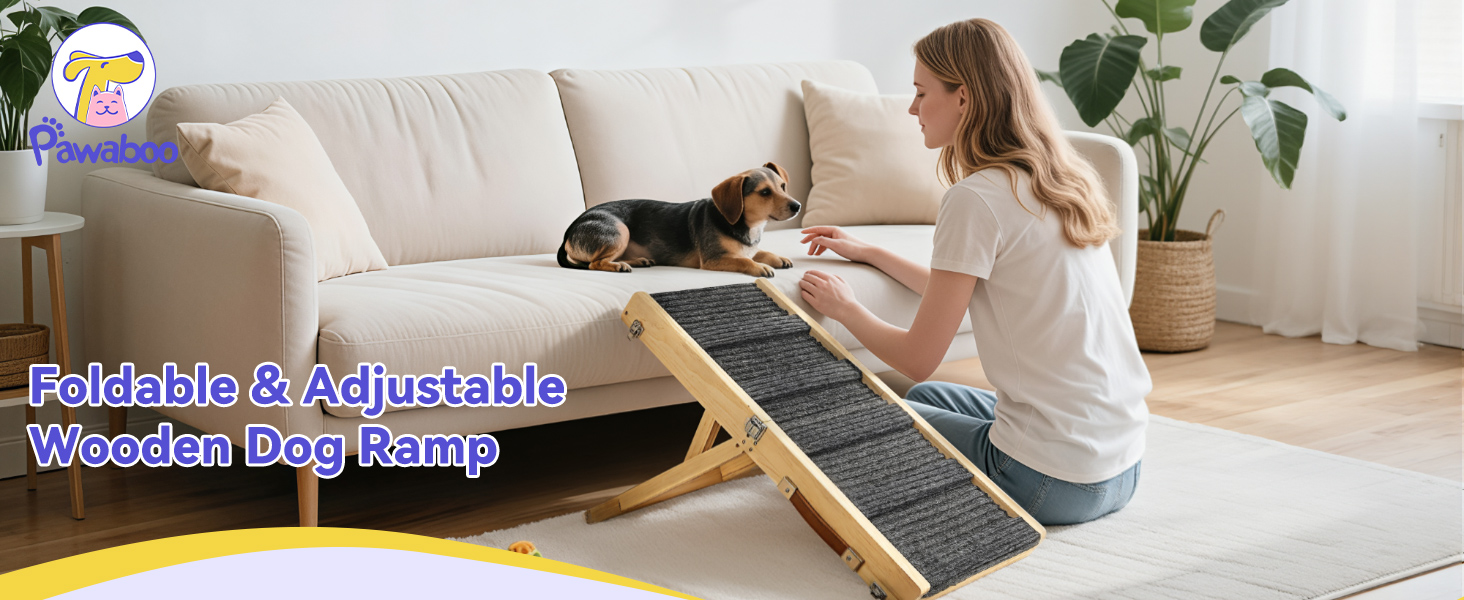
2026 Upgraded Dog Ramp for Couch, Foldable Small Dog Ramp for Sofa
An adjustable, foldable wooden ramp with a non-slip surface, perfect for helping your dachshund safely access the couch or bed without jumping.
Provide Non-Slip Surfaces
Slippery hardwood or tile floors cause dachshunds to scramble for traction, putting unnatural stress on their hips and lower back. Place non-slip rugs, runners, or yoga mats in high-traffic areas. Keeping the hair between their paw pads trimmed also significantly improves their grip.
Maintain a Healthy Weight
Obesity is a massive risk factor for IVDD. Every extra pound your dachshund carries adds exponential stress to their spinal column. Work with your veterinarian to establish a balanced diet and a safe, low-impact exercise routine (like walking on flat surfaces) to keep your dog lean and muscular.
FAQ: Common Questions About Handling Dachshunds
Q: Is it safe to hold my dachshund on their back (belly up)? A: Yes, but only if they are completely relaxed and their spine is fully supported in a straight line against your arms or body. If your dog squirms or struggles while on their back, they can easily twist their spine and cause injury. If they resist, return them to a normal, supported position immediately.
Q: How should I take my dachshund out of a crate? A: Top-opening crates are ideal because you can reach in with both hands to support their chest and rear simultaneously. If you have a front-opening crate, encourage your dog to walk out on their own (using a treat if necessary) before lifting them correctly. Never drag them out by their collar or front legs.
Q: Can my dachshund use the stairs? A: It is highly recommended to prevent dachshunds from using stairs, especially going down. The downward motion causes repeated, jarring impacts on their spinal discs. Always carry your dachshund up and down flights of stairs using the correct two-handed support method.
Conclusion
While genetics play a role in a dachshund's susceptibility to IVDD, proactive care and proper handling can drastically reduce the risk of spinal injury. Remember these key takeaways:
- Never lift them vertically by the armpits.
- Always support both the chest and the hindquarters simultaneously.
- Keep their spine parallel to the ground at all times.
- Use ramps to prevent jumping off furniture.
By adopting these safe handling practices, you are taking a vital step toward ensuring your dachshund enjoys a happy, healthy, and pain-free life.