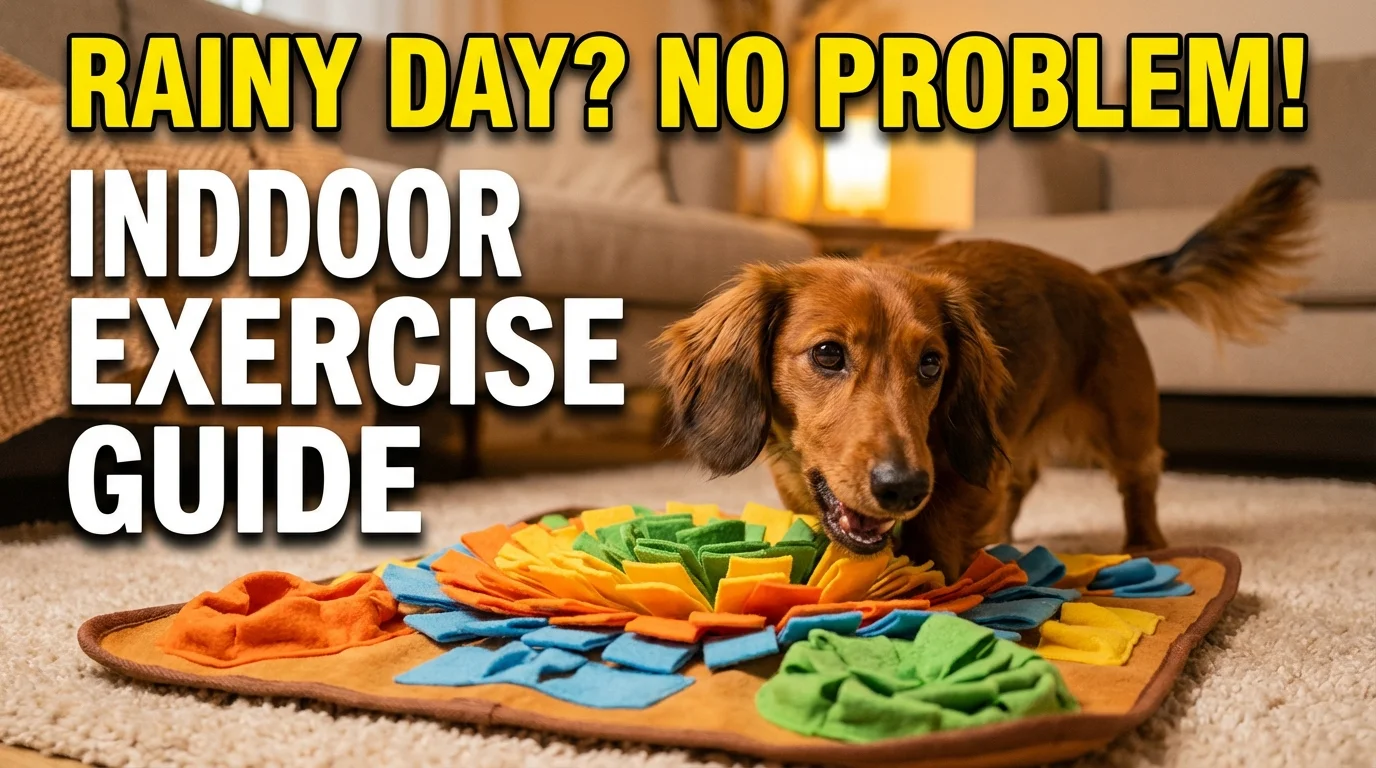
When rainy days or extreme weather keep your dachshund indoors, it is natural to worry about their pent-up energy. Dachshunds are energetic hunting dogs by nature, and a lack of exercise can quickly lead to boredom, destructive behavior, and weight gain. However, due to their unique elongated spine and short legs, indoor playtime requires special considerations to prevent Intervertebral Disc Disease (IVDD). This comprehensive guide provides veterinarian-approved, spine-safe indoor exercises and mental enrichment activities to keep your dachshund happy, healthy, and safe when outdoor walks are not an option.
Why Indoor Exercise is Crucial for Dachshunds
Originally bred to hunt badgers underground, dachshunds possess a remarkably high prey drive and significant stamina for their size. Despite their small stature, they require consistent physical and mental stimulation to remain balanced and well-behaved. When deprived of regular walks, they do not simply rest and wait; they often channel their frustration and boredom into undesirable behaviors that can strain the bond between dog and owner.
The Risks of Inactivity
A sedentary lifestyle poses both immediate and long-term threats to a dachshund's well-being. Physically, lack of exercise leads to obesity, which is the single most significant exacerbating factor for IVDD. Excess body weight places constant, additional stress on the intervertebral discs, dramatically increasing the likelihood of a painful herniation. Beyond IVDD, obesity contributes to diabetes, cardiovascular disease, and joint problems that can severely diminish your dog's quality of life.
Mentally, boredom can manifest in a variety of problematic ways. Excessive barking at every sound, destructive chewing of furniture or shoes, obsessive behaviors like paw licking, and the escalation of separation anxiety are all common signs that a dachshund is not receiving adequate stimulation. Providing structured indoor activities is therefore not merely a way to pass the time on a rainy afternoon; it is a vital component of their overall healthcare and behavioral management that responsible owners should prioritize year-round.
Understanding the Dachshund's Unique Physical Needs
Before diving into specific activities, it is essential to understand why dachshunds require a modified approach to exercise compared to other dog breeds. Their chondrodystrophic (dwarf-like) body structure, characterized by a long vertebral column and short, curved limbs, makes them genetically predisposed to spinal problems.
The IVDD Connection
Intervertebral Disc Disease is the most common neurological condition in dachshunds, affecting an estimated 25% of the breed at some point in their lives. The discs between the vertebrae can calcify and harden over time, losing their shock-absorbing properties. A sudden impact, an awkward landing from a jump, or even a sharp twist during play can cause one of these compromised discs to herniate, pressing on the spinal cord and causing pain, weakness, or in severe cases, paralysis.
This does not mean dachshunds should live a sedentary life—quite the opposite. Regular, appropriate exercise strengthens the core muscles that support the spine, which is one of the best preventive measures against IVDD. The key is to focus on low-impact activities that keep the body moving without subjecting the spine to sudden, jarring forces.
The Golden Rules of Safe Indoor Play
The primary concern when playing indoors with a dachshund is protecting their vulnerable spine. Establishing a few non-negotiable safety rules before beginning any play session will significantly reduce the risk of injury.
Creating a Spine-Safe Environment
Before initiating any play, ensure the environment is properly prepared. Hardwood floors, tile, and laminate surfaces are extremely slippery and increase the risk of falls and sudden slips, which can cause severe spinal injuries or luxating patellas. Always play on carpeted areas or place non-slip yoga mats or interlocking foam tiles on the floor to provide adequate traction. The investment in proper flooring protection is minimal compared to the potential cost of spinal surgery.
Furthermore, strictly prohibit jumping on or off furniture during playtime. When a dachshund becomes excited during play, they may forget their training and leap from a couch or bed without thinking. Using dog ramps or steps to access furniture, or simply restricting play to a designated floor space, is highly recommended. If your dachshund tends to jump when excited, it may be best to play in a room without accessible elevated surfaces.
Exercises to Avoid Indoors
Never play games that encourage your dachshund to jump into the air, such as tossing a ball or frisbee high above their head. Similarly, avoid games that prompt them to stand on their hind legs, like dangling a toy out of reach to make them "beg." Avoid games that involve sudden, sharp turns at high speed on slippery surfaces. The fundamental rule for dachshund play is simple and worth repeating: keep all four paws on the ground at all times during active play.
The Power of Mental Stimulation: Nose Work
For a dachshund, using their nose is just as exhausting—if not more so—than physical running. Scent work taps directly into their hunting instincts, providing immense mental satisfaction and a healthy outlet for their considerable energy. This is perhaps the single most valuable indoor activity you can offer your dachshund.
Why Sniffing is Exhausting
A dog's brain is far more heavily wired for olfactory processing than a human's. Dogs possess approximately 300 million olfactory receptors in their noses, compared to about 6 million in humans. When a dachshund is actively sniffing and problem-solving to find hidden treats, their brain consumes a significant amount of energy. Research in canine cognition suggests that engaging in 15 to 20 minutes of intense nose work can tire a dog out as much as a 30 to 45-minute brisk walk. Moreover, the success of finding a hidden reward triggers the release of dopamine, the "feel-good" neurotransmitter, which boosts their confidence and provides a sense of accomplishment that reduces anxiety and stress.
DIY Nose Work Games to Start Today
You can easily introduce nose work without any specialized equipment. Start by hiding highly aromatic treats—small pieces of dried liver, cheese, or your dog's favorite kibble—under cushions or behind doors while your dog watches, then give the command to "find it." As they begin to understand the game and the concept of searching, increase the difficulty by hiding treats in another room before letting them in to search. The excitement and focus they bring to this task is remarkable.
Another simple game is the "shell game," where you hide a treat under one of three overturned plastic cups and encourage them to identify the correct one using their nose. You can also crumple up pieces of paper or newspaper, hide treats inside several of them, and scatter them around the room for your dachshund to sort through. These simple games require no investment and can be set up in minutes.
Recommended Enrichment Tool: The Snuffle Mat
For a more structured and independent sniffing activity, particularly on days when you need to keep your dachshund occupied while you work or attend to other tasks, a snuffle mat is an excellent investment. These mats are designed with numerous fabric strips, folds, and pockets that mimic the texture of grass, allowing you to hide dry kibble or small treats within their layers.
Choosing the Right Snuffle Mat for Your Dachshund
When selecting a snuffle mat, look for one with varied textures and deep pockets to make the search genuinely challenging. A mat that is too easy will be solved in seconds and will not provide adequate stimulation. Since dachshunds can be enthusiastic and sometimes vigorous foragers, durability is a key consideration. Look for mats made from thick, durable fleece that can withstand enthusiastic sniffing and some degree of pawing. Ensure the mat has a non-slip rubber backing to prevent it from sliding across the floor during vigorous sniffing sessions, as a sliding mat can frustrate your dog and potentially cause them to slip.
Hygiene is also important. A snuffle mat that is used regularly with food will accumulate crumbs and odors, so choose one that is machine washable. Most quality snuffle mats can be placed in a laundry bag and washed on a gentle cycle.

Vivifying Snuffle Mat for Dogs, Interactive Dog Puzzle Toy
This interactive puzzle toy provides excellent mental stimulation, slows down fast eaters, and helps alleviate boredom. Its varied textures and non-slip design make it perfect for energetic dachshunds.
Other Effective Indoor Activities
Beyond nose work, there are several other activities that can provide safe and enriching exercise for your dachshund on days when outdoor walks are not possible.
Gentle Tug-of-War
Tug-of-war, when played correctly, is an excellent low-impact activity that engages your dachshund's muscles and instincts. The key is to keep the game horizontal. Pull the toy gently from side to side at floor level, never lifting it up in a way that would cause your dog to rear up on their hind legs. Use a soft rope toy or a rubber tug toy, and always let your dog win occasionally to keep them motivated. Establish a clear "drop it" command before starting, so you can end the game cleanly when needed.
Indoor Obstacle Courses
You can create a simple, low-impact obstacle course using household items. Arrange cushions for your dog to walk around, set up a tunnel using a blanket draped over two chairs, or create a weave course using plastic bottles filled with water. Keep all obstacles at ground level and avoid anything that requires jumping. Guide your dog through the course using treats, and gradually increase the complexity as they become more confident. This type of activity combines gentle physical movement with mental engagement, making it a highly effective form of enrichment.
Training Sessions as Exercise
Short, focused training sessions are an often-overlooked form of mental exercise. Teaching your dachshund a new trick or reinforcing existing commands requires intense concentration, which is mentally tiring. Sessions of five to ten minutes, repeated two or three times throughout the day, can provide significant mental stimulation. Focus on commands that keep your dog at ground level, such as "sit," "down," "stay," "roll over," or "spin." Positive reinforcement with small, high-value treats makes these sessions enjoyable for both of you.
Structuring Indoor Playtime for Maximum Benefit
While indoor play is undeniably beneficial, the way it is structured is equally important to prevent overstimulation, frustration, and the development of bad habits.
Keep Sessions Short and Sweet
Dachshunds benefit most from short, frequent bursts of activity rather than prolonged, exhausting sessions. Aim for 10 to 15 minutes of focused play or nose work, repeated two to three times a day. This mirrors the natural pattern of activity and rest that dogs experience in the wild. Always end the game while your dog is still engaged and having fun, rather than waiting until they lose interest. Leaving them wanting a little more ensures they remain enthusiastic and eager for the next session, and prevents the frustration that can come from a game that drags on too long.
Managing Arousal Levels
If your dachshund becomes overly vocal, frantic, or begins to nip during play, it is a clear sign of overstimulation. Immediately stop the game and enforce a calm-down period by asking for a "sit" or "down" and rewarding calm behavior. Teaching your dog to regulate their own excitement is a crucial part of their behavioral development and helps prevent stress-induced anxiety. A dog that can transition smoothly between excited play and calm rest is a well-adjusted, emotionally healthy dog.
FAQ: Indoor Exercise for Dachshunds
Q1: Can indoor play completely replace outdoor walks? A1: No. While indoor exercises are excellent substitutes during bad weather, outdoor walks provide essential sensory experiences, socialization opportunities, and exposure to different environments that indoor play simply cannot replicate. The variety of smells, sights, and sounds encountered on a walk provides a level of enrichment that is difficult to recreate indoors. Resume regular walks as soon as the weather permits.
Q2: My dachshund destroys all fabric toys. What should I do? A2: Dachshunds have strong jaws designed for digging and hunting. If they destroy fabric toys or snuffle mats, switch to durable rubber puzzle toys stuffed with food and frozen. A classic KONG toy filled with peanut butter (xylitol-free) and frozen solid can keep a dachshund occupied for a significant period. Always supervise play with any toy and remove it if pieces begin to break off, as ingesting toy fragments can cause serious gastrointestinal issues.
Q3: Are these activities safe for a senior dachshund with existing back problems? A3: Nose work is particularly beneficial for senior dogs and is generally considered safe even for dogs with mild to moderate back issues, as it requires no physical exertion. However, if your dachshund has been diagnosed with IVDD or is recovering from a spinal episode, always consult your veterinarian before introducing any new activity, including nose work. Your vet can advise on appropriate activity levels based on your dog's specific condition.
Q4: How do I know if my dachshund has had enough exercise? A4: A well-exercised dachshund will settle down contentedly after a play session, sleep soundly, and not exhibit restless or destructive behavior. If your dog continues to pace, whine, or seek attention after a play session, they may need more stimulation. Conversely, if they seem lethargic or reluctant to engage, you may be overdoing it.
Conclusion
Rainy days and bad weather do not have to mean a bored, frustrated, or destructive dachshund. By prioritizing spine-safe activities and leveraging their extraordinary sense of smell through nose work and enrichment games, you can effectively manage their energy levels and keep them mentally sharp indoors. Remember to create a safe, non-slip environment, keep play sessions short and focused, and always prioritize activities that keep all four paws on the ground. These strategies will not only keep your dachshund physically fit and mentally stimulated but also emotionally balanced and deeply satisfied, regardless of what the weather outside may bring.