Intervertebral Disc Disease (IVDD) is one of the most challenging conditions a dachshund owner can face. While preventative measures are crucial, the reality is that many dachshunds will experience an IVDD episode during their lifetime. Whether your dog undergoes surgery or is managed with conservative (medical) treatment, the post-episode recovery phase is critical. Proper rehabilitation and meticulous home care significantly impact your dog's quality of life and chances of regaining mobility. This guide provides a comprehensive, veterinary-backed approach to navigating your dachshund's IVDD recovery journey.
Core Principles of IVDD Recovery
The approach to IVDD treatment generally falls into two categories: conservative management (strict rest and medication) and surgical intervention. Regardless of the chosen path, the fundamental principles of the initial recovery phase remain the same: absolute rest and a carefully phased return to activity.
The Absolute Necessity of Cage Rest
In the weeks immediately following an IVDD diagnosis or surgery, strict cage rest is non-negotiable. This period allows the spinal cord inflammation to subside and the damaged disc material to stabilize. During cage rest, your dachshund should only be removed from their crate for potty breaks and, if necessary, assisted eating.
It is vital to resist the temptation to let your dog roam freely, even if they appear to be feeling better. Premature activity can lead to a catastrophic relapse or permanent neurological damage. Always adhere strictly to the duration of cage rest prescribed by your veterinarian.
Partnering with Your Veterinarian
Rehabilitation is not a one-size-fits-all process. It must be tailored to your dachshund's specific neurological status and rate of recovery. Never attempt to design a physical therapy program based solely on internet research.
Work closely with your primary veterinarian or a certified canine rehabilitation practitioner (CCRP). Regular check-ups are essential to assess nerve function, adjust pain management, and determine when it is safe to progress to the next stage of rehabilitation.
Phased At-Home Rehabilitation Exercises
Once your veterinarian gives the green light, you can begin a gradual rehabilitation program. The goals of these exercises are to prevent muscle atrophy, maintain joint flexibility, and ultimately encourage the return of independent walking.
Phase 1: Passive Range of Motion (PROM) and Massage
During the strict rest phase, or when your dog is unable to move their limbs independently, Passive Range of Motion (PROM) exercises and massage are crucial. These techniques help prevent joints from stiffening and promote blood and lymphatic circulation.
- Gentle Massage: Carefully massage the muscles of the thighs and lower legs, avoiding the spine entirely. Use light, sweeping strokes rather than deep pressure.
- PROM Exercises: With your dog lying comfortably on their side, gently mimic a bicycling motion with their front and hind legs. Slowly flex and extend each joint. Stop immediately if your dog shows any signs of discomfort or resistance.
Phase 2: Standing and Balance Training
As your dachshund begins to regain some strength and nerve function, you can introduce assisted standing exercises.
- Towel Support: Pass a soft towel or a specialized support sling under your dog's abdomen. Gently lift upward to support their weight while allowing their paws to rest firmly on the floor. Encourage them to hold this standing position for a few seconds at a time.
- Weight Shifting: Once they can stand with support, gently encourage them to shift their weight slightly from side to side and front to back. This stimulates the core muscles and helps retrain the nervous system to maintain balance.
Phase 3: Assisted Walking and Hydrotherapy
When your dog can consistently maintain their balance, you can begin assisted walking exercises. Start with very short distances on non-slip surfaces.
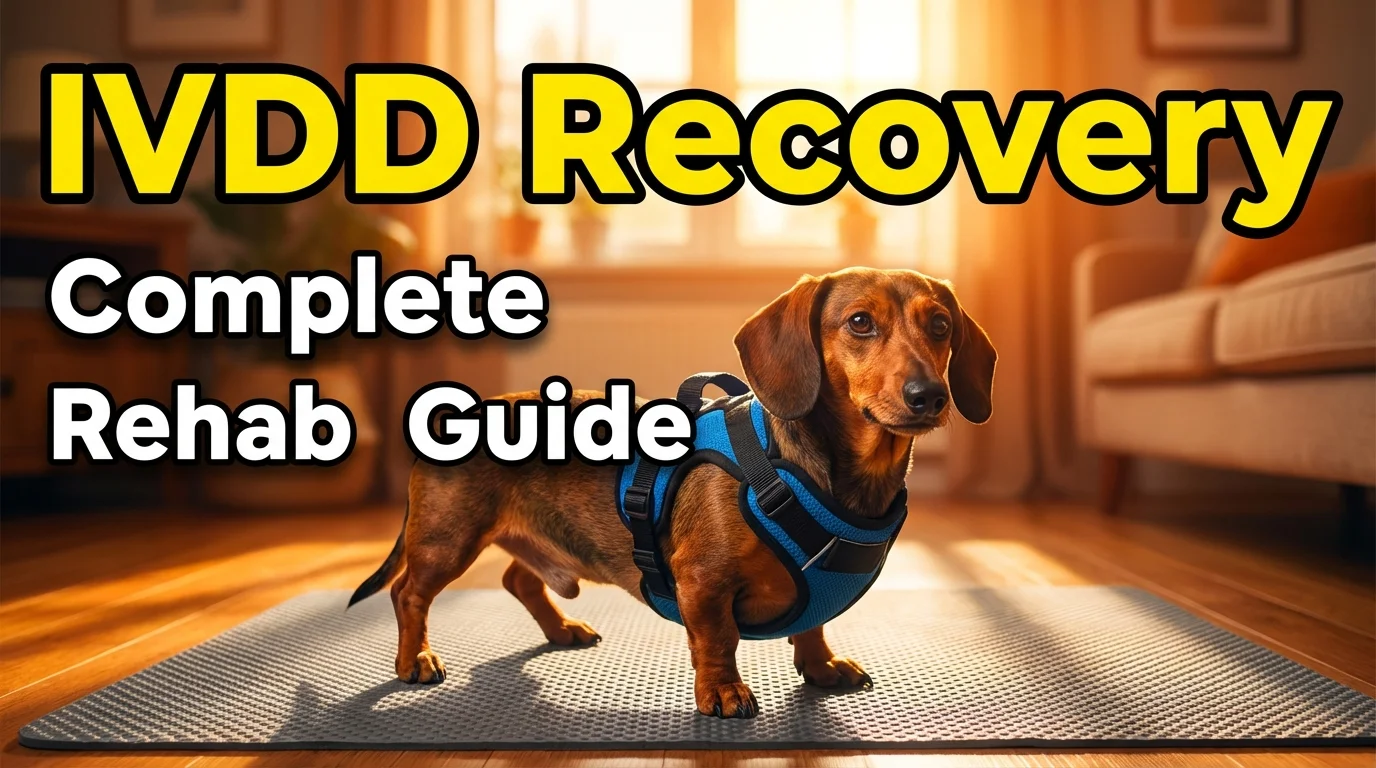
- Using a Walking Harness: A supportive harness that lifts the hindquarters is invaluable during this phase. It prevents your dog from dragging their back legs and encourages them to use all four limbs properly.
- Hydrotherapy (Underwater Treadmill): If accessible, an underwater treadmill at a specialized rehabilitation facility is highly recommended. The buoyancy of the water supports the dog's weight, reducing stress on the spine and joints, while the resistance of the water helps build muscle strength safely.
Modifying the Home Environment for Safe Recovery
Simultaneous to physical rehabilitation, you must adapt your home environment to support your dachshund's recovery and prevent future injuries. Minimizing stress on the spine in daily life is a key component of long-term IVDD management.
Eliminating Slippery Surfaces
Hardwood, tile, and laminate floors are treacherous for a recovering dachshund. Slipping and scrambling for traction puts immense strain on the back. Cover all frequently used areas and pathways with non-slip rugs, interlocking foam mats, or yoga mats. Ensuring your dog has secure footing is critical for building their confidence as they relearn to walk.
Ramps and Step Prevention
Jumping on and off furniture is one of the most common triggers for IVDD episodes. During recovery, and permanently thereafter, your dachshund must be prevented from jumping.
Install sturdy, non-slip ramps leading to beds and sofas. Train your dog consistently to use the ramps instead of attempting to jump. When selecting a ramp, ensure the incline is gentle and the surface provides excellent traction. Additionally, be mindful of small steps, such as those leading outdoors, and provide ramps or carry your dog over them.
Weight Management and Nutrition
Excess weight is a significant risk factor for IVDD and severely hampers the recovery process. Because your dog's activity level will be drastically reduced during cage rest and rehabilitation, their caloric needs will also decrease.
Consult your veterinarian to adjust your dog's diet to prevent weight gain during recovery. Maintaining a lean body condition is one of the most effective ways to reduce the load on the spine and lower the risk of future disc herniations. Consider a high-quality diet that includes joint-supporting supplements like glucosamine and chondroitin, as recommended by your vet.
Conclusion
Recovering from IVDD is a marathon, not a sprint. It requires immense patience, dedication, and strict adherence to veterinary guidance. By committing to the necessary cage rest, implementing a safe, phased rehabilitation plan, and modifying your home environment, you give your dachshund the best possible chance at regaining their mobility and enjoying a happy, comfortable life. Celebrate the small victories along the way, and remain a steadfast source of support for your resilient companion.
Frequently Asked Questions (FAQ)
Q1. How soon after surgery can we start physical therapy?
A1. The timeline varies significantly depending on the specific surgical procedure and your dog's individual progress. Never start exercises without explicit permission from your surgeon or primary veterinarian. Typically, very gentle therapies like massage and PROM may begin within a few days post-surgery, but only under professional direction.
Q2. What should I do if my dog resists the rehabilitation exercises?
A2. Resistance usually indicates pain, fatigue, or stress. Do not force the exercises, as this can cause setbacks. Stop the session and let your dog rest. If the resistance continues, consult your veterinarian to ensure your dog's pain is adequately managed and to review your technique. Keep sessions short, positive, and reward-based.
Q3. Will my dachshund fully recover and walk normally again?
A3. The prognosis depends heavily on the severity of the spinal cord injury at the time of the episode and how quickly treatment was administered. Many dogs make a full or near-full recovery, while others may retain some permanent deficits (like a slight wobble or the need for a wheelchair). Regardless of the final outcome, proper rehabilitation maximizes their potential and ensures the highest possible quality of life.