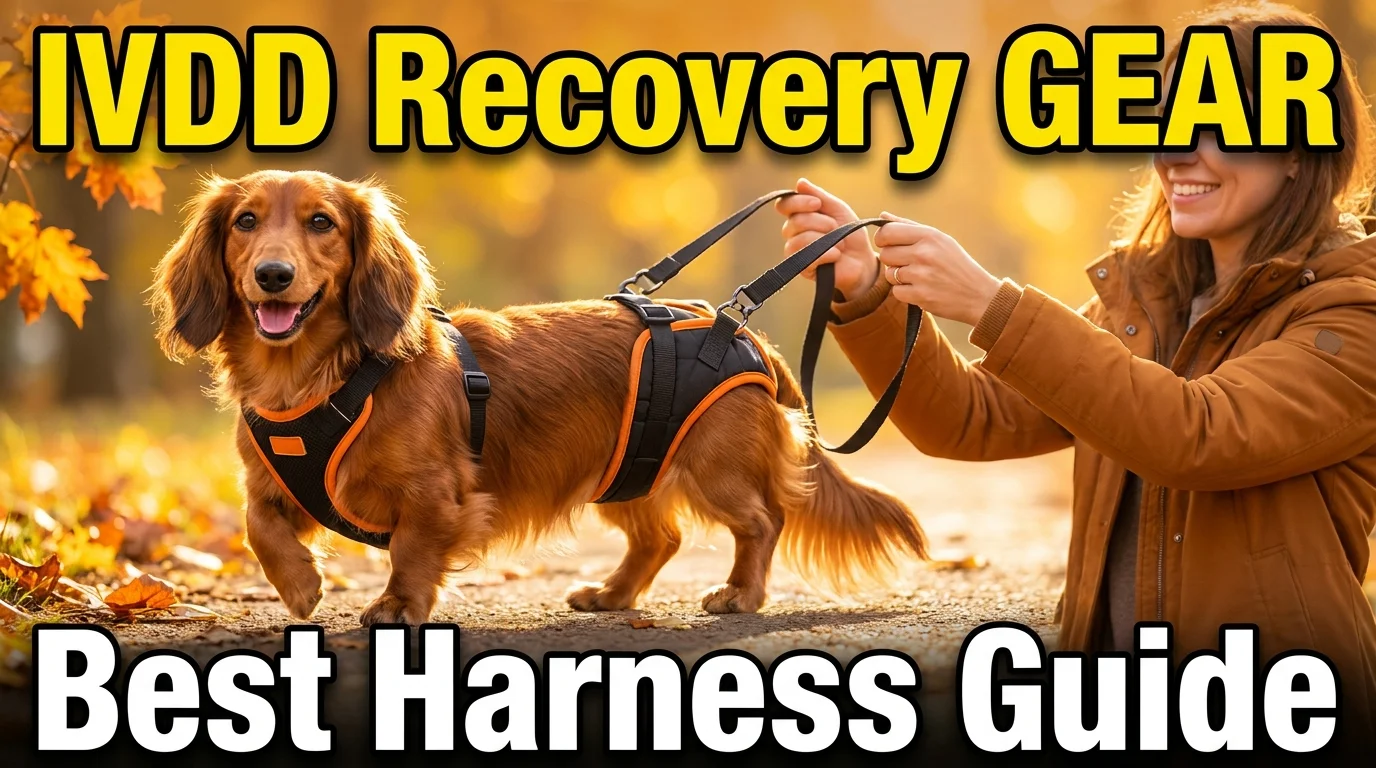
Intervertebral Disc Disease (IVDD) is a prevalent and challenging condition for Dachshunds, often requiring significant lifestyle adjustments. Whether your dog is recovering from spinal surgery or managing the condition conservatively through strict crate rest, the rehabilitation phase demands careful support.
During this critical period, specialized mobility aids, particularly support harnesses, play a vital role. They not only help your Dachshund regain strength but also prevent further injury to their delicate spine. This guide explores how to choose the right support gear and create a safe home environment for your IVDD-affected Dachshund.
The Importance of Mobility Support During IVDD Recovery
The transition from strict rest to gradual movement is a delicate process. A Dachshund's elongated spine is highly vulnerable, and any sudden twist or unsupported weight-bearing can lead to a relapse.
Balancing Safety and Rehabilitation
The goal of rehabilitation is to rebuild muscle mass without straining the healing discs. When a Dachshund attempts to walk with weakened hind legs, they often compensate by arching their back or dragging their paws, which can cause secondary injuries.
A high-quality support harness (or rear-lift harness) allows you to bear a portion of your dog's weight. This controlled assistance enables them to practice walking, balance, and posturing for bathroom breaks safely, ensuring the spine remains properly aligned.
How to Choose the Right Support Harness for a Dachshund
Not all dog harnesses are suitable for Dachshunds. Their unique "long and low" conformation requires specific design features to avoid exacerbating back pain.
1. Broad Abdominal and Pelvic Support
Avoid harnesses that rely on thin straps or cords that cut into the abdomen. These can cause intense discomfort and force the spine into an unnatural curve. Instead, opt for a "sling" or "vest" style harness that provides a wide, padded surface area under the belly and pelvis. The primary objective is to lift the dog while keeping their spine perfectly horizontal.
2. Ease of Application
A dog recovering from IVDD should not be forced to lift their legs high or contort their body to put on a harness. The best designs allow you to slip the sling under their belly while they are lying down and secure it over their back with Velcro or sturdy clips.
Additionally, choose breathable, machine-washable materials like neoprene. Incontinence is common during IVDD recovery, so the harness must be easy to clean.
3. Bathroom Break Compatibility
A crucial feature of any support harness is its design regarding elimination. You must be able to support your dog while they urinate or defecate without soiling the harness. Look for models with specific cutouts, and ensure you select the correct version based on your dog's gender, as the anatomical requirements differ.
Recommended IVDD Support Harness
When selecting a harness, prioritize products specifically designed for long-backed breeds or those with spinal injuries.

GINGERLEAD Dog Support Sling Harness
A highly recommended support sling for Dachshunds. The GingerLead features a padded belly sling integrated with a leash, allowing you to control your dog's mobility while standing upright. Its soft corduroy lining prevents chafing, and the design accommodates male and female anatomy for easy bathroom breaks.
Optimizing the Home Environment
Beyond mobility aids, adjusting your home environment is essential for a safe recovery and long-term IVDD management.
Eliminating Slippery Surfaces
Weakened hind legs have very little traction. Hardwood, tile, or laminate floors are hazardous and can cause your Dachshund's legs to splay outward, severely stressing the spine. Cover all walking areas with non-slip rugs, yoga mats, or interlocking foam tiles. Keeping the hair between their paw pads trimmed also improves natural grip.
Preventing Pressure Sores
If your Dachshund is paralyzed or spending most of the day lying down, they are at risk of developing pressure sores (bedsores). Invest in a high-quality, orthopedic memory foam bed that distributes their weight evenly. It is also important to gently rotate their resting position every few hours to relieve pressure on bony prominences.
FAQ: Managing IVDD with Support Gear
Q. Can I leave the support harness on my Dachshund all day? A. No. Support harnesses should generally only be worn during supervised activities like walking practice or bathroom breaks. Leaving it on continuously can cause skin irritation, chafing, and overheating. However, consult your veterinarian, as they might recommend a lightweight, specialized brace for daytime wear if your dog is prone to sudden, unsafe movements.
Q. When should I consider a dog wheelchair? A. A wheelchair (mobility cart) is typically considered when a Dachshund has permanent hind-limb paralysis but retains strong front legs and a desire to be active. Wheelchairs provide immense psychological benefits by restoring independence. Discuss the timing with a veterinary neurologist or rehabilitation therapist, as introducing a cart too early might hinder the natural recovery of walking ability.
Q. How much weight should I lift when using the harness? A. You should only lift enough weight to help the dog balance and prevent them from collapsing. The goal is to support about 30% to 50% of their rear weight. If you lift their hind legs completely off the ground, they will not engage their muscles or practice the neurological pathways needed for walking. Ensure their paws touch the ground so they can feel the surface and attempt to step.
Conclusion
Caring for a Dachshund with IVDD is a demanding journey, but the right tools can make a profound difference. By utilizing a well-designed support harness and modifying your home to prevent slips and falls, you can significantly enhance your dog's safety and comfort.
- Choose a wide, padded sling that keeps the spine horizontal.
- Ensure the harness is easy to put on and allows for clean bathroom breaks.
- Cover slippery floors and provide orthopedic bedding.
With patience, veterinary guidance, and the appropriate support gear, you can help your Dachshund navigate their recovery and enjoy a high quality of life.