Bringing a dachshund puppy into your home is one of the most exciting experiences a dog lover can have. Those impossibly long bodies, floppy ears, and bright, curious eyes make dachshund puppies irresistible. But behind that adorable exterior is a breed with very specific needs during the critical first months of life. How you raise your dachshund puppy directly shapes the adult dog they will become, influencing everything from temperament and obedience to spinal health and weight management.
This guide covers every essential aspect of dachshund puppy care, from preparing your home before your puppy arrives to navigating the first weeks, establishing feeding routines, mastering potty training, and ensuring proper socialization. Whether you are a first-time dachshund owner or adding another wiener dog to the family, this comprehensive resource will help you give your puppy the best possible start.
Preparing Your Home for a Dachshund Puppy
Preparation is the foundation of a smooth transition. A well-prepared home reduces stress for both you and your puppy during those critical first days.
Essential Supplies
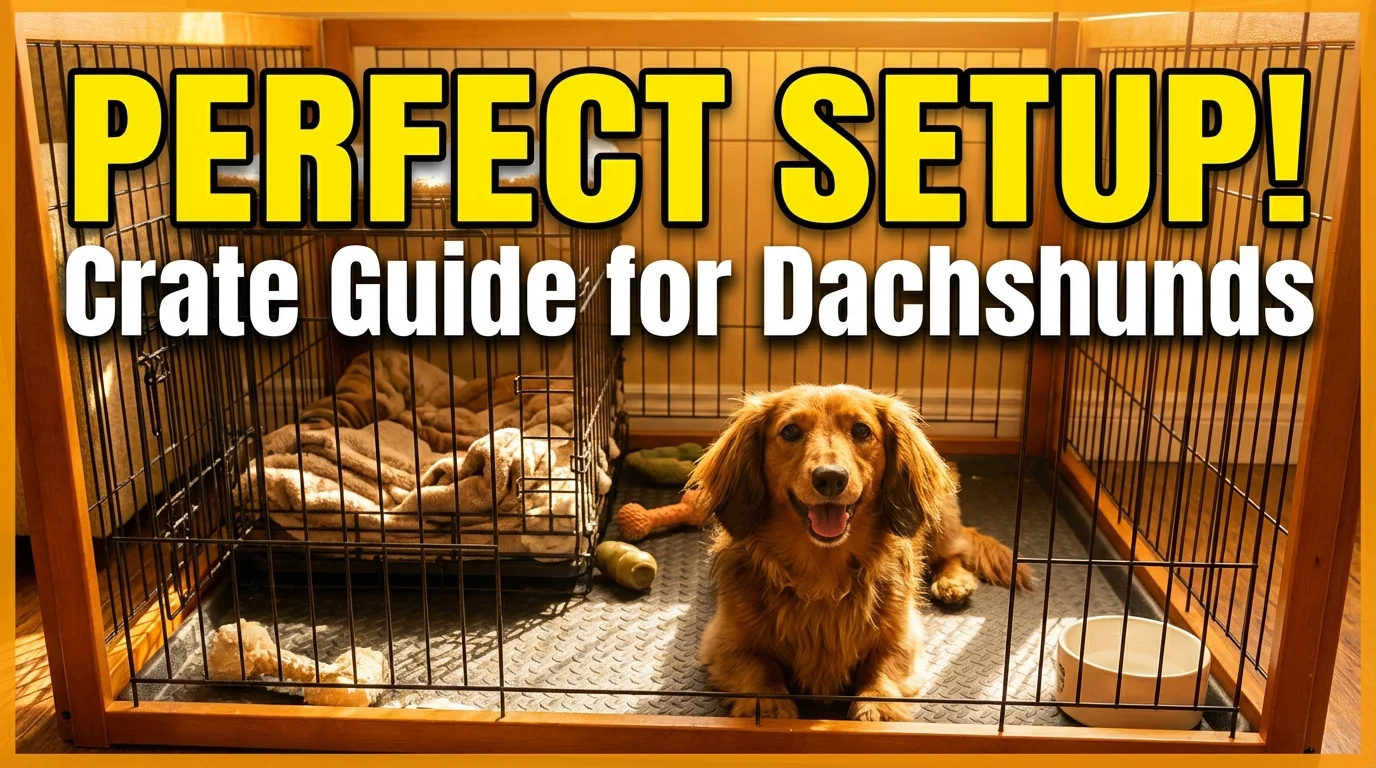
Crate or playpen: A crate is not a punishment tool. It is your puppy's safe space, their den. For a dachshund puppy, a 24-inch crate is typically the right size for miniature dachshunds, while a 30-inch crate works well for standards. The crate should be large enough for the puppy to stand, turn around, and lie down comfortably, but not so large that they can eliminate in one corner and sleep in another. A wire crate with a divider panel allows you to adjust the space as your puppy grows.
Potty supplies: Stock up on enzymatic cleaner (not just regular household cleaner, as dogs can still smell residue that humans cannot), puppy pads if you plan to use them during the transition period, and poop bags for outdoor training.
Food and water bowls: Choose sturdy, tip-resistant bowls. Stainless steel is durable and easy to clean. Elevated bowls are not necessary for dachshunds and some veterinarians actually advise against them for this breed.
Puppy food: Contact the breeder or rescue organization to find out what food the puppy has been eating. Purchase the same brand to maintain dietary consistency during the transition to your home. Sudden food changes cause digestive upset in puppies.
Bedding: Soft bedding or a blanket for the crate. If the breeder can provide a cloth that smells like the puppy's mother and littermates, bring it home with you. The familiar scent provides comfort during those first anxious nights.

MidWest Homes for Pets 24-Inch iCrate
Folding metal dog crate with divider panel, ideal for dachshund puppies. Features a leak-proof plastic pan, secure slide-bolt latches, and a single door for easy access. The included divider panel lets you adjust the interior space as your puppy grows.
Puppy-Proofing Your Home
Dachshund puppies are remarkably determined explorers. Their low-to-the-ground perspective means they find things you might not even notice.
- Secure all electrical cords behind furniture or inside cord covers. Puppies chew on everything, and electrical cords pose a serious electrocution risk.
- Remove small objects from the floor and low surfaces. Buttons, coins, hair ties, and children's toys are all choking and intestinal blockage hazards.
- Block access to stairs with baby gates. This is critically important for dachshunds. Stairs put enormous stress on their elongated spines and can contribute to disc damage even in young dogs.
- Identify and remove toxic plants. Common houseplants like lilies, pothos, philodendrons, and sago palms are poisonous to dogs.
- Secure trash cans with lids or place them behind closed doors. Dachshunds have an exceptional sense of smell and will raid the garbage given the opportunity.
- Check for gaps behind appliances and under furniture where a small puppy could become trapped.
The First Week: Helping Your Puppy Adjust
The first week in a new home is a period of enormous change for a puppy. They have been separated from their mother and siblings, transported to an unfamiliar environment, and surrounded by new sights, sounds, and people. Your primary goal during this week is to make your puppy feel safe and secure.
Day One
Keep the environment calm and quiet. Resist the urge to invite friends and neighbors over to meet the new puppy. Introduce your puppy to their crate by placing treats and a soft blanket inside and leaving the door open so they can explore at their own pace. Offer food and water, and take the puppy to their designated potty area frequently.
The First Night
The first night is often the hardest. Your puppy may cry, whine, and howl. This is completely normal because they are lonely and scared. Place the crate in your bedroom so the puppy can hear and smell you. A ticking clock wrapped in a towel or a warm water bottle (not too hot) can mimic the warmth and heartbeat of littermates. If the puppy cries, wait for a brief pause in the crying before responding. Immediately rushing to comfort a crying puppy teaches them that vocalization produces results.
Establishing a Routine
Puppies thrive on predictability. From day one, establish consistent times for feeding, potty breaks, play sessions, and sleep. A typical schedule for an 8-week-old dachshund puppy might look like this:
- Wake up and immediately go to the potty area
- Breakfast, followed by a potty break 15 to 20 minutes later
- Short play or training session (5 to 10 minutes)
- Nap in the crate (puppies sleep 18 to 20 hours per day)
- Repeat the cycle of potty, food, play, and sleep throughout the day
- Last potty break right before bedtime
Veterinary Visit
Schedule a veterinary wellness exam within the first three days of bringing your puppy home. The vet will check for any health issues, review the vaccination history, discuss a parasite prevention plan, and provide guidance on feeding and general care.
Feeding Your Dachshund Puppy: A Month-by-Month Guide
Proper nutrition during puppyhood sets the stage for lifelong health. Dachshunds are genetically predisposed to obesity, and establishing healthy eating habits early is one of the most important things you can do for your puppy.
8 to 12 Weeks Old
Feed your puppy four times per day. At this age, dry kibble should be softened with warm water to make it easier to chew and digest. Choose a high-quality small-breed puppy formula with named animal protein (such as chicken, turkey, or salmon) as the first ingredient. Protein content should be approximately 25 to 30 percent, and the food should contain DHA for brain and eye development.
3 to 6 Months Old
Reduce feeding frequency to three times per day. Gradually decrease the amount of water added to kibble until your puppy is eating dry food comfortably. This is the peak growth period, and your puppy's weight will increase rapidly. Weigh your puppy every two weeks and adjust portions accordingly.
6 to 12 Months Old
Transition to two to three meals per day. Around 10 months of age, begin the gradual switch from puppy food to adult food. The transition should take 7 to 10 days: start with 75 percent old food and 25 percent new food, and slowly shift the ratio over the course of the week.
How Much to Feed
Follow the feeding guidelines on the food packaging as a starting point, but remember that every puppy is different. Your puppy's ribs should be easily felt with light pressure but not visibly protruding. If you cannot feel the ribs without pressing firmly, your puppy is carrying too much weight. If the ribs are clearly visible, your puppy may be underweight.

Royal Canin Dachshund Puppy Dry Dog Food
Breed-specific formula designed for dachshund puppies up to 10 months old. Features a unique kibble shape tailored to the dachshund jaw, balanced calcium and phosphorus for healthy bone development, and DHA for brain growth. Supports digestive health with highly digestible proteins.
Potty Training Your Dachshund Puppy
Dachshunds have a well-earned reputation for being challenging to potty train. This is not because they are unintelligent. Quite the opposite. Dachshunds are independent thinkers bred for the mentally demanding work of tracking and cornering badgers underground. That same independent streak can make them less inclined to comply with house rules they do not see the point of. Success requires patience, consistency, and positive reinforcement.
The Fundamentals
Frequent trips outside: Young puppies have tiny bladders and limited control. Take your puppy outside every 30 to 60 minutes during waking hours, immediately after meals, after play sessions, and after naps. As the puppy ages, you can gradually increase the interval.
Choose a designated potty spot: Always take your puppy to the same area. The accumulated scent signals the puppy that this is the correct place to eliminate.
Use a verbal cue: As your puppy begins to eliminate, say a consistent phrase like "go potty" in a calm, encouraging tone. Over time, the puppy will associate the phrase with the action.
Reward immediately: The instant your puppy finishes eliminating in the correct spot, praise them enthusiastically and offer a small treat. The reward must come within one to two seconds of the behavior to create a clear association.
Supervise constantly indoors: When your puppy is not in their crate, keep them within sight at all times. Watch for pre-elimination signals such as circling, sniffing the floor intently, whining, or moving toward the door.
Handling Accidents
Accidents will happen. When they do, clean the area thoroughly with an enzymatic cleaner to completely eliminate the odor. Do not punish your puppy for accidents. Rubbing a dog's nose in their mess or yelling after the fact does not teach them anything because dogs cannot connect punishment to an action that occurred even seconds earlier. Punishment only creates fear and anxiety, which actually makes potty training harder.
Timeline Expectations
Most dachshund puppies become reliably house-trained between four and six months of age, though some may take longer. If your dachshund is still having frequent accidents past six months, consult your veterinarian to rule out urinary tract infections or other medical causes, and consider whether the training routine needs adjustment.
Socialization: The Window You Cannot Afford to Miss
The socialization window in puppies closes around 14 to 16 weeks of age. During this period, puppies are naturally curious and open to new experiences. After this window closes, unfamiliar stimuli are more likely to trigger fear responses. For dachshunds, which can be naturally wary of strangers and prone to excessive barking, early socialization is especially critical.
What to Expose Your Puppy To
People of all types: Men, women, children, elderly individuals, people wearing hats, sunglasses, uniforms, and people using wheelchairs or walkers. The goal is for your puppy to learn that all kinds of humans are safe and friendly.
Other animals: Once vaccination protocols allow, introduce your puppy to well-mannered adult dogs and other puppies. Puppy socialization classes, typically offered by veterinary clinics and training facilities, provide controlled environments for these interactions.
Environments: Different floor surfaces (tile, hardwood, carpet, grass, gravel), car rides, pet-friendly stores, outdoor cafes, and various weather conditions. Expose your puppy to the veterinary clinic in a positive context by making short visits just for treats and attention, with no procedures.
Sounds: Thunderstorms, fireworks, vacuum cleaners, hair dryers, doorbells, and traffic noise. Start at low volumes and gradually increase. Sound desensitization playlists are available online.
Handling: Gently touch your puppy's paws, ears, mouth, and tail daily. This prepares them for nail trims, ear cleaning, dental checks, and veterinary examinations throughout their life.
Rules for Safe Socialization
- Never force your puppy into a situation that frightens them. Let the puppy approach new stimuli at their own pace.
- Pair every new experience with something positive, such as treats, gentle praise, or play.
- Keep sessions short. Overstimulation leads to stress, which is counterproductive.
- Before vaccinations are complete, carry your puppy during outdoor socialization trips to minimize disease exposure while still providing valuable experiences.
Dachshund-Specific Puppy Safety: Protecting the Spine
The single most important breed-specific concern in dachshund care is spinal health. Dachshunds are 10 to 12 times more likely to develop intervertebral disc disease (IVDD) than other breeds, and the habits formed during puppyhood either increase or decrease that risk.
Activities to Avoid
Stairs: Dachshund puppies should never use stairs. Block all stairways with baby gates. Even a single flight of stairs, repeated daily, creates cumulative stress on the vertebral column. This rule should ideally continue throughout the dog's life, though some owners relax it for adult dachshunds on short, carpeted staircases.
Jumping on and off furniture: A dachshund leaping from a couch may seem harmless, but the impact when a 15-pound dog with a 2-foot-long spine lands on a hard floor is significant. Use pet ramps or steps to provide safe access to furniture, or train your puppy to wait for you to lift them.
Rough play: Avoid games that involve twisting, wrenching, or high-impact movements. Tug-of-war is fine in moderation if the dog is not being lifted off the ground, but wrestle-style play that bends the spine should be avoided.
How to Properly Pick Up a Dachshund
Always support both the chest and the hindquarters simultaneously when lifting a dachshund. One hand under the chest behind the front legs, the other hand supporting the rear end. The spine should remain level and horizontal. Never pick up a dachshund by the scruff, under the front legs only, or in any way that allows the back half of the body to dangle unsupported. Teach every family member and visitor this technique.
Flooring Considerations
Hardwood and tile floors are slippery for dachshunds, causing them to splay their legs and strain their backs as they try to gain traction. Place non-slip rugs, runners, or interlocking foam mats in areas where your puppy spends the most time. Paw pad wax can also improve grip.
Vaccination Schedule and Preventive Health Care
Protecting your puppy from infectious diseases is a non-negotiable responsibility. The following is a general vaccination timeline, though your veterinarian may adjust it based on local disease prevalence and your puppy's individual risk factors.
Core Vaccines
- 6 to 8 weeks: First combination vaccine (DHPP: distemper, hepatitis, parainfluenza, parvovirus)
- 10 to 12 weeks: Second DHPP booster
- 14 to 16 weeks: Third DHPP booster and rabies vaccine
- 12 to 16 months: DHPP and rabies boosters
Non-Core Vaccines
Depending on your geographic location and lifestyle, your veterinarian may recommend additional vaccines for Bordetella (kennel cough), Leptospirosis, Lyme disease, and canine influenza.
Parasite Prevention
Start flea, tick, and heartworm prevention as early as your veterinarian recommends, which is typically at 8 weeks of age. Heartworm disease is transmitted by mosquitoes and is potentially fatal but entirely preventable with monthly medication. Intestinal parasites are common in puppies, so fecal exams at each veterinary visit are standard practice.
Spaying and Neutering
Discuss the optimal timing for spaying or neutering your dachshund with your veterinarian. Traditional recommendations suggest six months of age, but recent research indicates that waiting until the dog is physically mature (around 12 months for dachshunds) may have orthopedic and health benefits. Your vet can help you weigh the pros and cons based on your specific situation.
Frequently Asked Questions
When can I start walking my dachshund puppy outside?
Your puppy can begin outdoor walks approximately two weeks after completing the full vaccination series, which is typically around 16 to 18 weeks of age. Before that, you can carry your puppy outside for socialization exposure without letting them walk on the ground in areas frequented by other dogs. Once outdoor walks begin, start with five to ten minute sessions and gradually increase duration. Avoid strenuous exercise until your puppy's growth plates have closed, which is around 12 months of age.
My dachshund puppy bites everything. Is this normal?
Yes. Puppy mouthing and nipping is a normal developmental behavior, especially during teething (which occurs between 3 and 6 months of age). When your puppy bites your hand, say "ouch" in a firm but calm tone and immediately stop all interaction for 10 to 15 seconds. Then redirect the puppy to an appropriate chew toy. Consistency is essential. Every family member must respond the same way. If biting escalates or persists beyond six months, consult a professional trainer or veterinary behaviorist.
How long can a dachshund puppy be left alone?
As a general guideline, a puppy can hold their bladder for roughly one hour per month of age, plus one hour. So a three-month-old puppy can manage about four hours. However, young puppies also need frequent meals, social interaction, and mental stimulation, so extended alone time is not ideal during the first several months. If you work full days, arrange for a midday visit from a dog walker, pet sitter, or trusted neighbor.
When should I start training my dachshund puppy?
Training can and should begin the day you bring your puppy home. At 8 weeks old, puppies are capable of learning basic cues like "sit," "come," and name recognition. Keep training sessions short (two to five minutes), use high-value treats, and always end on a positive note. Formal obedience classes can typically begin after the first round of vaccinations, around 10 to 12 weeks of age. Early training establishes communication patterns and builds the foundation for a well-behaved adult dog.
Conclusion
Raising a dachshund puppy is a rewarding journey that demands knowledge, patience, and consistency. The decisions you make during these formative months, from the food you choose to the socialization experiences you provide to the spinal safety habits you establish, will echo throughout your dog's life. Dachshunds are loyal, spirited, and endlessly entertaining companions, but they thrive only when their owners understand and respect the unique needs that come with that distinctive long body and bold personality.
Invest the time now to set your puppy up for success. Create a safe environment, feed a quality diet in appropriate amounts, house-train with patience rather than punishment, socialize broadly during the critical window, and above all, protect that precious spine from day one. The effort you put in during puppyhood will be repaid many times over in the form of a healthy, confident, and well-adjusted adult dachshund who will be your devoted companion for years to come.