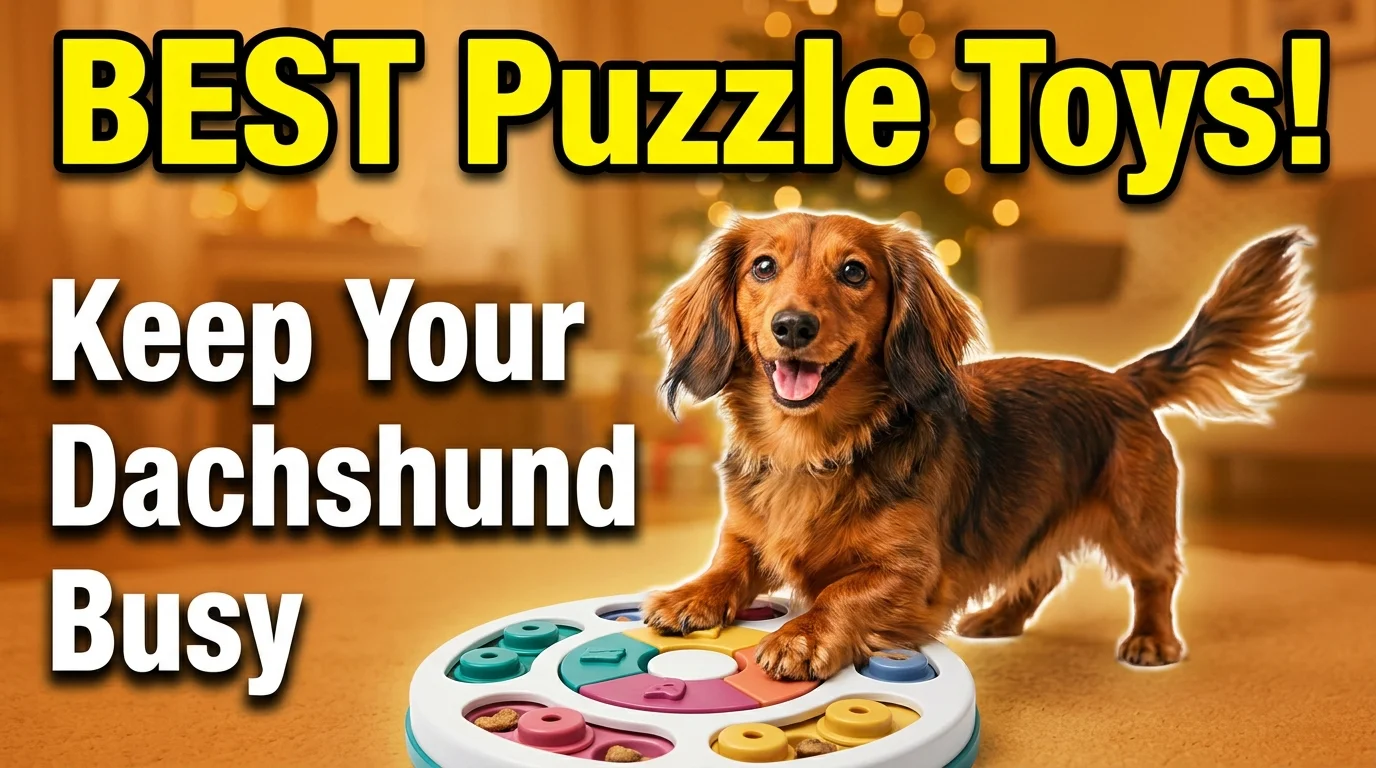
Dachshunds were originally bred to hunt badgers and other burrowing animals. Because of their hunting heritage, they are incredibly intelligent, curious, and driven dogs. This means that without adequate mental stimulation, they can easily become bored, which often leads to destructive behavior, excessive barking, or anxiety.
One of the most effective ways to satisfy a Dachshund's natural instincts and keep their mind sharp is through the use of puzzle toys and enrichment games. In this guide, we will explore why puzzle toys are essential for your Dachshund, how to choose the right ones, and our top recommendations.
Why Dachshunds Need Puzzle Toys
Puzzle toys are designed to challenge your dog's brain and reward them for problem-solving. For Dachshunds, these toys offer several specific benefits:
1. Fulfilling Hunting Instincts
Dachshunds have a strong instinct to sniff out and dig for prey. Puzzle toys that require them to use their nose to find hidden treats (nosework) tap directly into this natural drive. Engaging in these activities provides them with a deep sense of satisfaction and helps reduce stress and pent-up energy.
2. Preventing Boredom and Separation Anxiety
When left alone, Dachshunds can easily become anxious or bored. Giving them a challenging puzzle toy before you leave can keep them occupied and distracted from your absence. The mental effort required to solve the puzzle can tire them out just as much as a physical walk, making it an excellent tool for managing separation anxiety.
3. Slowing Down Fast Eaters
Many Dachshunds are highly food-motivated and tend to gulp down their meals too quickly. Eating too fast can lead to digestive issues, gas, and even a dangerous condition called bloat. Using a puzzle toy or a slow feeder bowl to serve their meals forces them to eat at a healthier, slower pace.
How to Choose the Right Puzzle Toy for a Dachshund
Not all puzzle toys are created equal. When selecting an enrichment toy for your Dachshund, keep the following factors in mind:
Start with the Right Difficulty Level
Puzzle toys come in various levels of difficulty, from simple treat-dispensing balls to complex boards with sliding compartments. If your Dachshund is new to puzzle toys, always start with a Level 1 (easy) toy. If the puzzle is too difficult, your dog may become frustrated and give up, or resort to chewing the toy instead of solving it.
Consider Their Snout Shape
Dachshunds have long, slender snouts. They excel at puzzles that require them to nudge sliders with their nose or flip open lids. However, avoid toys with very deep, narrow holes where their tongue cannot reach the treat, as this will only cause frustration.
Prioritize Durability and Safety
Despite their small size, Dachshunds can be aggressive chewers. Choose toys made from durable, non-toxic materials. If you opt for plastic puzzle boards, ensure they are sturdy and do not have small, easily breakable parts that could pose a choking hazard. Always supervise your dog during puzzle time.
Top Recommended Puzzle Toys for Dachshunds
Here are some of the best puzzle toys that are perfect for stimulating your Dachshund's clever mind.
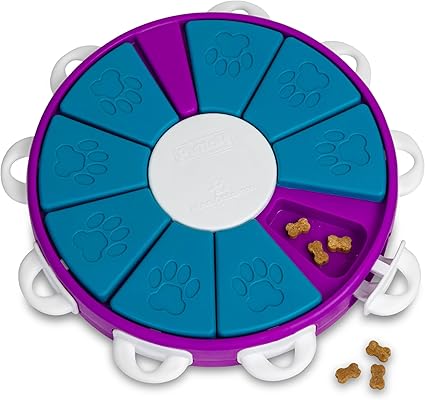
Outward Hound Nina Ottosson Dog Twister Interactive Treat Puzzle
A Level 3 advanced puzzle toy from the renowned Nina Ottosson line. This toy requires your Dachshund to slide the panels to reveal hidden treats. It's an excellent choice for dogs who have mastered easier puzzles and need a more challenging mental workout.
Classic Rubber Chew Toys (e.g., KONG)
A durable rubber toy that can be stuffed with peanut butter, yogurt, or wet food is a staple for any dog owner. Freezing the stuffed toy makes the challenge last even longer. It is highly durable and safe for most Dachshunds to use while unsupervised.
Treat-Dispensing Balls
These are simple toys where you place kibble inside, and the dog must roll the ball around to get the food to fall out. They are great for beginners and encourage your Dachshund to move around the house, providing both mental and light physical exercise.
Tips for Safe and Successful Puzzle Play
To ensure your Dachshund gets the most out of their puzzle toys safely, follow these tips:
- Teach Them How to Play: Don't just hand over a new puzzle and expect them to know what to do. Show them where the treats are and demonstrate how the moving parts work to help them understand the game.
- Supervise the Play: Especially with plastic puzzle boards, always supervise your dog to ensure they are trying to solve the puzzle rather than chewing on the plastic pieces.
- Watch the Calories: The treats used in puzzle toys count towards your Dachshund's daily caloric intake. To prevent weight gain, use a portion of their regular daily kibble in the puzzle toys instead of extra high-calorie treats.
Frequently Asked Questions (FAQ)
Q: My Dachshund loses interest in the puzzle toy quickly. What should I do?
A: Try using higher-value, smellier treats like small pieces of cheese, boiled chicken, or freeze-dried liver to capture their attention. Also, remember to put the puzzle toy away after they finish playing so it remains a "special" and exciting activity.
Q: The puzzle seems too hard, and my dog gets frustrated.
A: Make it easier for them to succeed. For example, if it's a sliding puzzle, leave the compartments partially open so they can easily smell and reach the treat. Gradually increase the difficulty as they learn the mechanics.
Q: Is it safe to leave my Dachshund alone with a puzzle toy?
A: It depends on the toy. Sturdy rubber toys like a KONG are generally safe for unsupervised play. However, plastic puzzle boards with moving parts should only be used under supervision, as aggressive chewers might break off and swallow small pieces.
Conclusion
Providing your Dachshund with puzzle toys is a fantastic way to honor their intelligent, hunting nature while keeping them entertained and out of trouble. By choosing the right difficulty level and supervising their play, you can offer your furry friend hours of mental enrichment that contributes to a happier, healthier life.