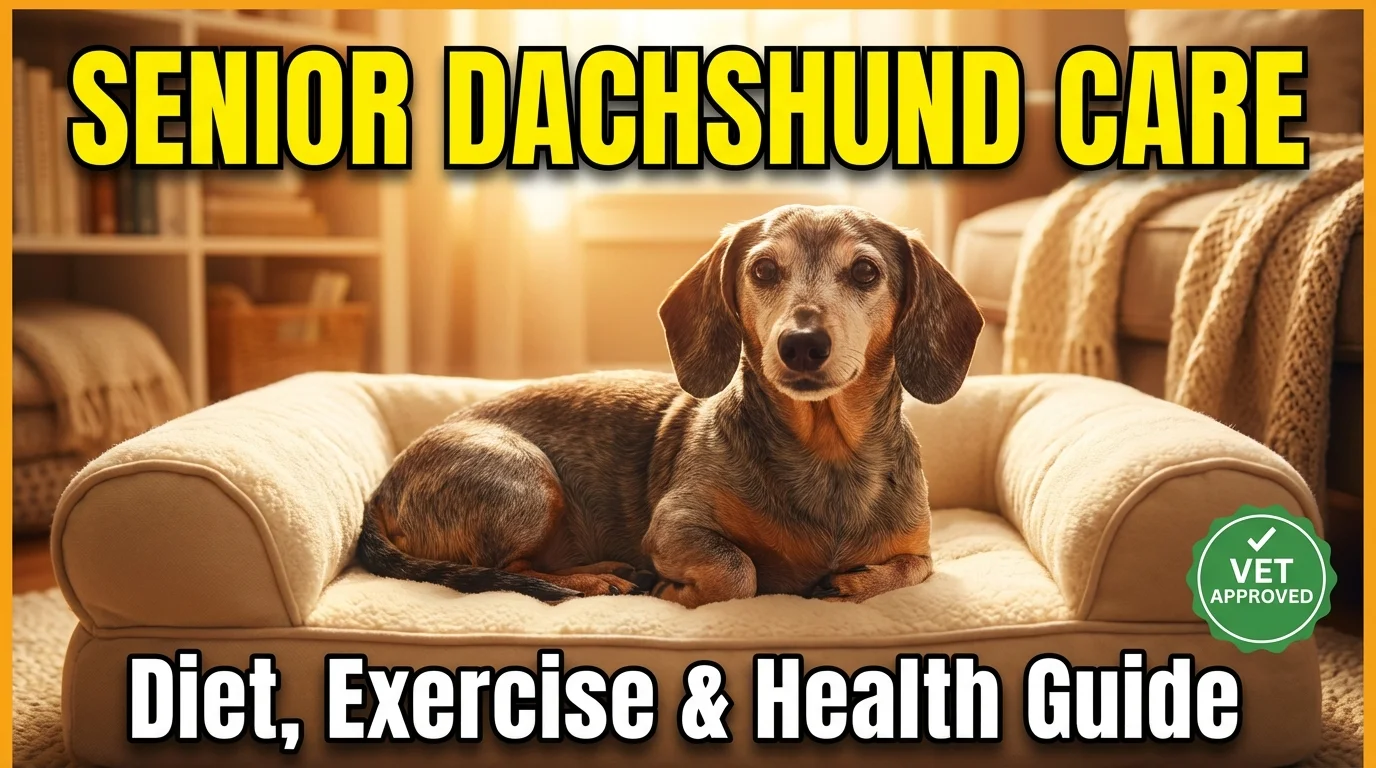
Introduction: Embracing Your Dachshund's Golden Years
The bond you share with your Dachshund is a unique and cherished one, built on years of shared walks, playful moments, and quiet companionship. As time passes, you'll notice subtle changes in your once-boisterous companion. The muzzle may turn a little gray, the naps may get a little longer, and the pace may become a little slower. Your beloved friend is entering their senior years.
This transition can be bittersweet for any owner. However, the golden years offer a new, profound chapter in your relationship. It's a time for gentler play, deeper understanding, and a more focused level of care that can make their final years comfortable, happy, and full of love. This comprehensive guide will walk you through everything you need to know about caring for your senior Dachshund, from recognizing the signs of aging to managing their diet, exercise, and common health concerns, all grounded in veterinary science.
By understanding the changes your Dachshund is facing, you can provide the specific, compassionate care they need to navigate this stage of life with grace and dignity. Let's ensure your loyal companion enjoys a vibrant and healthy life for as long as possible.
H2: When is a Dachshund Considered a Senior?
Unlike humans, a dog's senior status isn't just about a number. It's largely dependent on their breed size. For small breeds like Dachshunds, the senior phase typically begins around 8 years of age. While every dog is an individual, this age serves as a crucial benchmark to start paying closer attention to their changing needs.
Recognizing the Signs of Aging
Beyond the number, several physical and behavioral cues indicate your Dachshund is entering their senior years. Observing these signs early allows you to adapt their care proactively.
| Category of Change | Common Signs in Senior Dachshunds |
|---|---|
| Physical Appearance | Graying fur, especially around the muzzle and face; a duller or thinner coat; cloudy or bluish eyes (potential cataracts); new lumps, bumps, or skin tags. |
| Behavior & Mobility | Increased sleep duration; reduced interest in long walks or vigorous play; hesitation at stairs or jumping onto furniture; slower walking pace; unsteadiness or wobbling. |
| Sensory & Cognitive | Appears to ignore commands (potential hearing loss); bumps into objects (potential vision loss); increased anxiety or confusion; changes in sleep-wake cycles; house soiling accidents. |
| Dental Health | Persistent bad breath; reluctance to eat hard food or chew toys; visible tartar buildup; red or swollen gums. |
It's vital not to dismiss these changes as simply "getting old." They can often be the first indicators of underlying medical conditions that require veterinary attention. For Dachshunds, in particular, mobility changes should always be taken seriously.
H2: Senior Diet & Nutrition: Fueling for Health and Longevity
As Dachshunds age, their metabolism slows down, making them prone to weight gain, while their digestive systems can become more sensitive. The cornerstone of a senior diet is one that is lower in calories, high in quality protein, and easily digestible. Furthermore, it should be fortified with nutrients that support aging joints, heart, and immune function.
Transitioning to a Senior-Specific Dog Food
Once your Dachshund reaches the 7-8 year mark, it's time to discuss switching to a senior-formulated food with your veterinarian. These diets are specifically designed to meet the needs of older dogs.
- Controlled Calories: Helps prevent obesity, which puts dangerous stress on a Dachshund's long spine.
- High-Quality Protein: Crucial for maintaining muscle mass, which can decline in senior dogs.
- Joint Support Nutrients: Ingredients like glucosamine, chondroitin, and omega-3 fatty acids (like EPA and DHA) are often included to support cartilage health and reduce inflammation, which is vital for a breed predisposed to Intervertebral Disc Disease (IVDD).
- Antioxidants: Vitamins E and C help combat cellular damage and support a healthy immune system.
When you switch foods, do it gradually over 7-10 days. Start by mixing a small amount of the new food with their old food, and slowly increase the proportion of the new food to prevent digestive upset.
Feeding Strategies for Seniors
- Smaller, More Frequent Meals: Instead of one or two large meals, consider splitting their daily food allowance into three or four smaller portions. This is easier on their digestive system.
- Soften the Kibble: If your dog struggles with hard kibble due to dental issues, adding a little warm water can make it more palatable and easier to chew. This also increases their water intake.
- Elevated Food Bowls: Using a raised feeder can reduce strain on your Dachshund's neck and back during meal times, making eating more comfortable.
H2: Exercise & Home Environment: Prioritizing Safety and Comfort
Moderate exercise remains essential for senior Dachshunds to maintain muscle tone, manage weight, and stay mentally stimulated. However, the intensity and type of activity must be adapted to protect their vulnerable backs and aging joints.
Safe and Enjoyable Exercise
- Gentle Walks: Daily walks are still a must, but keep them shorter and on softer surfaces like grass or dirt paths when possible. Let your dog set the pace.
- Mental Stimulation: Prevent boredom and keep their mind sharp with puzzle toys, snuffle mats, and gentle indoor games of hide-and-seek. Scent work is an excellent low-impact activity that taps into their natural instincts.
Creating a Spine-Safe Home
For a Dachshund, preventing back injuries is a lifelong priority that becomes even more critical in their senior years as muscles weaken.
- Non-Slip Flooring: Hardwood or tile floors are treacherous. Use area rugs, runners, or non-slip mats to provide traction and prevent falls.
- Eliminate Jumping: Ramps or pet stairs are non-negotiable for allowing safe access to sofas and beds. Discourage jumping at all costs to prevent the spinal concussions that can trigger IVDD.
- An Orthopedic Bed: A high-quality orthopedic bed provides support and relieves pressure on sore joints, ensuring your senior gets the restorative sleep they need.
H2: Common Health Issues in Senior Dachshunds
Regular veterinary check-ups (at least twice a year for seniors) are the best way to catch age-related diseases early. Be vigilant for signs of these common conditions.
- Intervertebral Disc Disease (IVDD): The number one health risk for the breed. Signs include yelping when touched, a hunched back, reluctance to move, and wobbly or paralyzed hind legs. This is always a medical emergency.
- Heart Disease: Mitral valve disease is common in older small dogs. Symptoms can be subtle at first, often starting with a soft cough (especially at night), exercise intolerance, or rapid breathing.
- Dental Disease: Painful and dangerous, periodontal disease can lead to tooth loss and spread bacteria to vital organs. Professional cleanings and at-home brushing are key.
- Cushing's Disease: A condition where the body produces too much cortisol. Watch for excessive thirst and urination, hair loss, a pot-bellied appearance, and skin problems.
- Vision and Hearing Loss: Cataracts (a white, cloudy appearance in the lens) and nuclear sclerosis (a bluish haze) can impair vision. Hearing loss is often gradual. Adapt by using hand signals and being mindful not to startle them.
- Canine Cognitive Dysfunction (CCD): Similar to Alzheimer's in humans, CCD can cause disorientation, changes in social interaction, sleep disturbances, and a breakdown in house training.

Nutramax Dasuquin Joint Health Supplement for Small to Medium Dogs
A veterinarian-recommended joint health supplement with Glucosamine, Chondroitin, and ASU to support mobility and joint function in aging small to medium-sized dogs, including Dachshunds.
FAQ: Frequently Asked Questions
Q1. My senior Dachshund is gaining weight. What should I do?
A1. First, consult your veterinarian to rule out any medical causes. They can help you calculate the appropriate daily calorie intake. Ensure you are feeding a high-quality senior food and measuring portions accurately. Replace high-calorie treats with healthy options like baby carrots or green beans, and encourage gentle, regular exercise.
Q2. How can I help my Dachshund with arthritis pain?
A2. Arthritis management is multi-faceted. In addition to providing an orthopedic bed and maintaining a healthy weight, your vet may recommend joint supplements like glucosamine and chondroitin, omega-3 fatty acids, and prescription pain medication (NSAIDs). Never give your dog human pain relievers. Physical therapy, such as gentle massage or swimming, can also be beneficial.
Q3. Is it normal for my old dog to sleep all day?
A3. While seniors do sleep more, a sudden or dramatic increase in sleep time could signal a problem. If the lethargy is accompanied by other symptoms like loss of appetite, weakness, or disorientation, it warrants an immediate trip to the vet.
Conclusion: A Partnership of Love and Care
Caring for a senior Dachshund is a journey of patience, observation, and profound love. By adapting their diet, modifying their environment for safety, and staying vigilant for signs of illness, you provide them with the greatest gift of all: a comfortable, secure, and happy life in their golden years.
The quiet moments and gentle companionship of a senior dog are a unique and rewarding experience. Cherish this special time, and know that the dedicated care you provide is the ultimate expression of the bond you've built together. This guide is your partner in ensuring your loyal friend's final chapter is their best one yet.