Dachshunds are beloved for their adorable appearance and lively personalities, but their unique physical traits and genetic background make them susceptible to various skin conditions and allergies. If you notice your dog frequently scratching, or if you see redness, flakiness, or hair loss on their skin, it could be a sign of an underlying skin issue.
This article provides a comprehensive guide to the most common skin conditions in Dachshunds, their symptoms, veterinary-approved treatments, and practical preventive care measures you can implement at home. Understanding these issues will help you protect your dog's skin health and ensure their comfort.
Why Are Dachshunds Prone to Skin Conditions?
There are several reasons why Dachshunds are more likely to experience skin problems compared to some other breeds. Understanding these factors is the first step toward effective prevention and early detection.
1. Low-to-the-Ground Stature
The defining characteristic of a Dachshund—short legs and a long body—means their abdomen and chest are very close to the ground during walks. This proximity increases their exposure to physical irritants from grass, hot asphalt, pollen, parasites like fleas and ticks, and soil-borne bacteria or fungi. This constant contact elevates the risk of contact dermatitis and infections.
2. Coat Types and Sebum Production
Dachshunds come in three coat varieties: smooth, longhaired, and wirehaired. Smooth-haired Dachshunds, in particular, have less protection against environmental irritants due to their short coats. Furthermore, the breed tends to produce a higher amount of sebum (skin oil). When sebum production becomes excessive, it creates an ideal environment for naturally occurring yeast, such as Malassezia, to overgrow and cause dermatitis.
3. Genetic Predisposition
Dachshunds are known to have a genetic predisposition to allergies, including atopic dermatitis (environmental allergies) and food allergies. Their immune systems can overreact to specific substances, leading to chronic skin inflammation and severe itching.
Common Skin Conditions and Their Symptoms
Being able to recognize the signs of common skin conditions is crucial for seeking timely veterinary care. Here are the most frequent skin issues seen in Dachshunds:
Pyoderma (Bacterial Folliculitis)
Pyoderma is a bacterial infection of the skin, most commonly caused by Staphylococcus bacteria that naturally reside on the skin's surface. It often occurs when the immune system is compromised or when the skin barrier is weakened by another underlying condition. Key symptoms include redness, pimple-like bumps (pustules), flaking skin, hair loss, and intense itching. It frequently affects areas where skin rubs together, such as the abdomen, inner thighs, and armpits.
Malassezia Dermatitis (Yeast Infection)
Malassezia is a type of yeast that normally lives on a dog's skin and in their ears. However, excessive sebum production, high humidity, or underlying allergies can cause this yeast to multiply rapidly, resulting in dermatitis. Characteristic signs include severe redness, greasy skin, and a distinct, sweet, musty odor. If left untreated, the skin may become thickened and dark (hyperpigmentation). This condition is commonly found in the ears, between the toes, in the armpits, and on the lower abdomen.
Atopic Dermatitis and Food Allergies
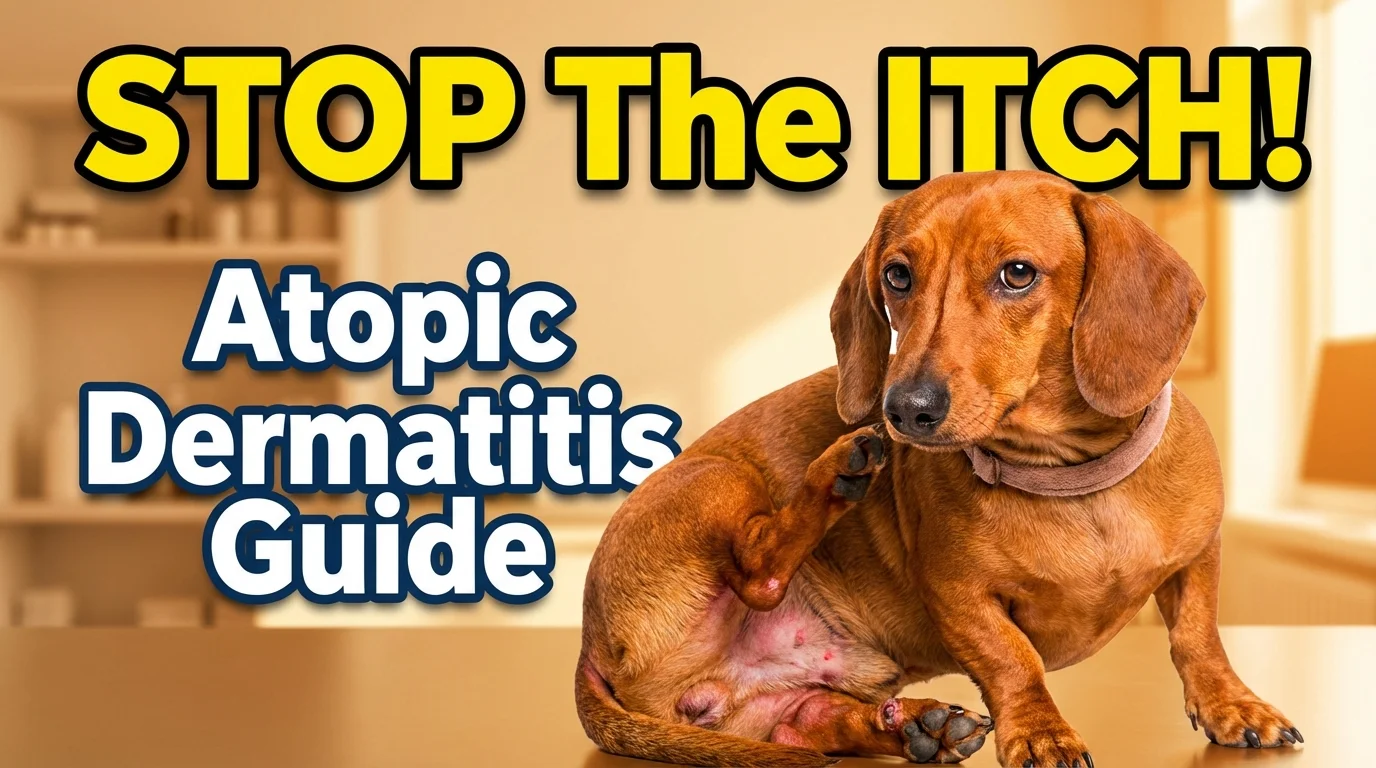
Atopic dermatitis is an allergic reaction to environmental allergens such as dust mites, pollen, and mold. Food allergies occur when the dog reacts to specific ingredients in their diet, commonly beef, chicken, dairy, or wheat. Both types of allergies typically manifest as intense itching and redness around the face (especially the muzzle and eyes), ears, paws, and abdomen. Constant licking, chewing, and scratching can easily lead to secondary bacterial or yeast infections.
Parasitic Dermatitis (Fleas and Ticks)
This dermatitis is caused by external parasites like fleas, ticks, and mites (scabies). Flea allergy dermatitis is particularly severe; it is an allergic reaction to flea saliva. Even a single flea bite can cause extreme itching, redness, and hair loss, typically concentrated around the lower back and the base of the tail.
Veterinary Treatments for Skin Conditions
Effective treatment begins with an accurate diagnosis of the underlying cause. Using over-the-counter remedies without veterinary guidance can sometimes worsen the condition.
1. Diagnosis and Testing
Your veterinarian will likely perform tests such as skin cytology (examining skin cells under a microscope), fungal cultures, allergy testing, or blood work to determine whether the issue is caused by bacteria, yeast, parasites, or allergies.
2. Medication
Depending on the diagnosis, the vet may prescribe:
- Antibiotics or Antifungals: Used orally or topically to treat pyoderma and Malassezia dermatitis.
- Parasite Preventatives/Treatments: Fast-acting medications to eliminate fleas, ticks, or mites.
- Anti-inflammatory and Anti-itch Medications: Corticosteroids, immunosuppressants, or newer targeted therapies (like oclacitinib or lokivetmab injections) are used to manage severe itching and inflammation, improving the dog's comfort quickly.
3. Medicated Shampoo Therapy
Bathing with prescription medicated shampoos is a cornerstone of dermatological treatment. These shampoos may have antibacterial, antifungal, keratolytic (scale-removing), or moisturizing properties. They help cleanse the skin, reduce the microbial load, and restore the skin's natural barrier.
4. Dietary Management
If a food allergy is suspected, the veterinarian will recommend a strict elimination diet trial using a prescription hypoallergenic food (hydrolyzed protein or a novel protein source). Additionally, supplements rich in Omega-3 fatty acids (EPA and DHA) are often recommended to support overall skin and coat health.
Daily Preventive Care and Home Maintenance
While veterinary treatment is essential for active infections, daily care and prevention are key to maintaining your Dachshund's skin health long-term.
Regular Brushing and Grooming
Regardless of the coat type, regular brushing removes loose hair, dirt, and debris while stimulating blood circulation to the skin. Grooming sessions are also the perfect time to inspect your dog's skin for any signs of redness, lumps, or parasites.
Proper Bathing and Moisturizing
Bathe your Dachshund appropriately (usually once or twice a month, or as directed by your vet) using a gentle, dog-specific shampoo. Human shampoos are too harsh and can disrupt the pH balance of a dog's skin. After bathing, it is critical to dry the coat thoroughly down to the skin, using a towel and a hair dryer on a cool or warm (never hot) setting. Damp skin is a breeding ground for bacteria and yeast. Using a dog-safe moisturizing spray after the bath can help prevent dryness.
Post-Walk Care
Because their bellies are close to the ground, Dachshunds get dirty easily during walks. Wipe down their paws and abdomen with a damp towel or pet-safe wipes after every outing, especially after walking through wet grass or muddy areas.
Maintaining a Clean Environment
To minimize exposure to environmental allergens like dust mites and mold, vacuum and ventilate your home regularly. Wash your dog's bedding, blankets, and plush toys frequently. Furthermore, ensure you maintain a strict, year-round flea and tick prevention regimen.
Frequently Asked Questions (FAQ)
Q1. My Dachshund is constantly licking their paws. Is this a skin condition?
Yes, excessive paw licking is a very common sign of a skin issue. The spaces between the toes retain moisture, making them prone to Malassezia (yeast) and bacterial infections. Paw licking is also a classic symptom of atopic dermatitis or food allergies. You should consult your veterinarian to prevent the condition from worsening.
Q2. Can I use human moisturizing lotion on my dog's dry skin?
No, you should avoid using human lotions. They often contain ingredients that are toxic to dogs if licked off (such as xylitol) or fragrances that can irritate their skin. Always use moisturizing products specifically formulated for dogs.
Q3. Are dog skin conditions contagious to humans or other pets?
It depends on the cause. Skin conditions caused by allergies or hormonal imbalances are not contagious. However, parasitic infections (like fleas or scabies mites) and certain fungal infections (like ringworm) can be transmitted to other pets and sometimes to humans (zoonotic diseases). If you suspect a contagious condition, follow your vet's advice on treatment and environmental disinfection.
Conclusion
Due to their unique physical structure and genetic predispositions, Dachshunds are particularly vulnerable to skin conditions. However, with vigilant observation, proactive preventive care, and prompt veterinary attention, you can effectively manage these issues.
Make regular grooming, proper bathing, and environmental cleanliness a part of your routine. If you notice any signs of excessive scratching, redness, or unusual odor, do not hesitate to seek professional veterinary advice. Keeping your Dachshund's skin healthy is essential for their overall happiness and quality of life.