Introduction: Why Your Dachshund is Itching This Spring
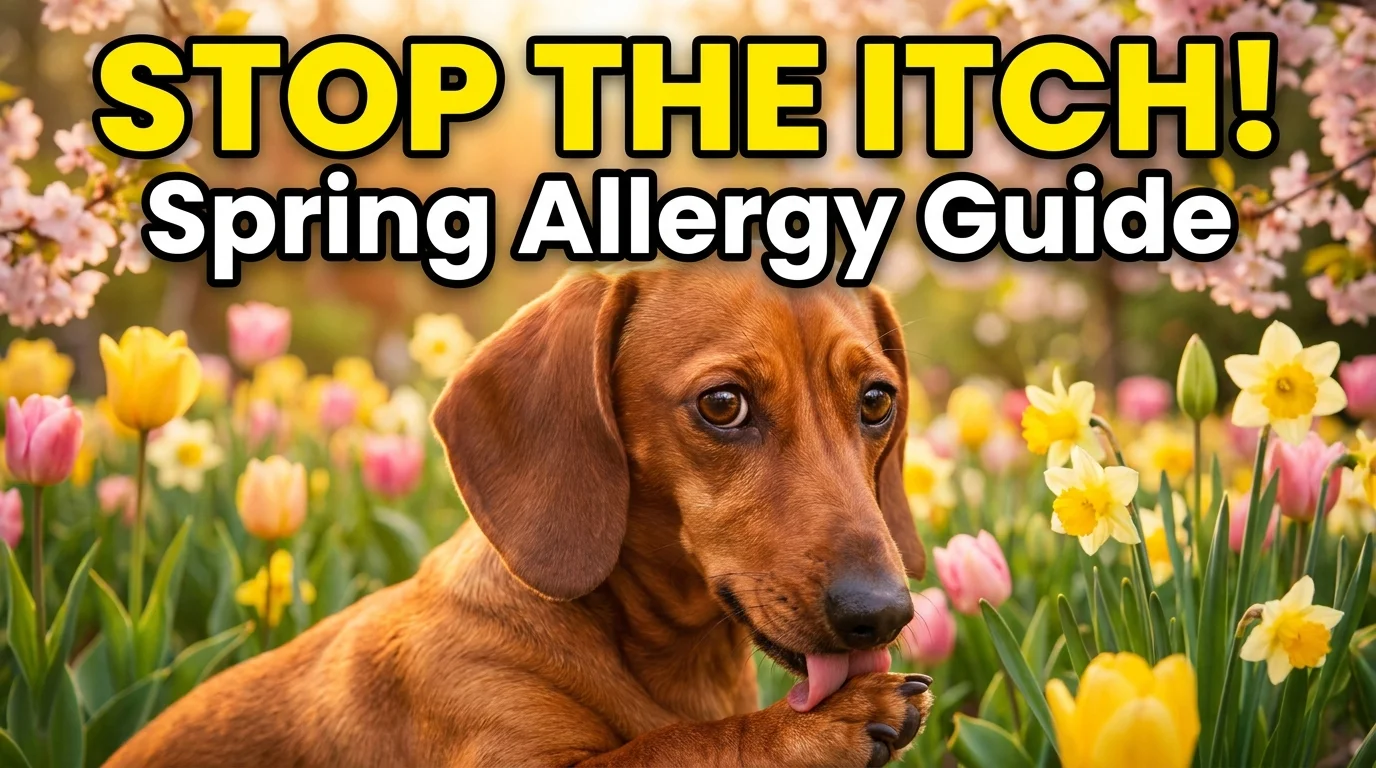
Spring brings beautiful blooms and longer walks, but for many Dachshund owners, it also marks the beginning of "allergy season." If you’ve noticed your Doxie constantly licking their paws, rubbing their face against the carpet, or showing redness on their belly, they are likely reacting to environmental allergens.
Dachshunds are uniquely susceptible to spring allergies due to their low-to-the-ground stature. Their proximity to the grass means they act like "little furry mops," collecting pollen, mold spores, and dust with every step. Without proper care, these microscopic irritants can lead to painful skin infections and chronic discomfort.
In this guide, we’ll explore the science behind Dachshund seasonal allergies and provide actionable steps to protect your dog’s skin and paws, ensuring a happy and itch-free spring.
Common Spring Allergy Triggers for Dachshunds
While humans typically experience hay fever with sneezing and watery eyes, dogs manifest allergies primarily through their skin—a condition known as atopic dermatitis.
1. Environmental Pollen
Tree, grass, and weed pollens are the primary culprits. Because Dachshunds have short legs, their chests and bellies are in constant contact with allergen-heavy grass, leading to contact dermatitis in these sensitive areas.
2. Mold Spores and Dust
The damp ground of early spring is a breeding ground for mold. Additionally, as we open our windows, indoor dust and outdoor irritants mix, creating a challenging environment for sensitive dogs.
3. Weakened Skin Barrier
During the spring shedding season (the transition from winter to summer coat), a dog's skin can become temporarily more permeable. This allows allergens to penetrate deeper into the skin layers, triggering an immune response.
The "After-Walk" Protocol: 3 Steps to Reduce Allergens
The most effective way to manage seasonal allergies is to physically remove the triggers before they cause a reaction.
Step 1: Use a Portable Paw Cleaner
Walking through grass and mud fills the crevices of your Dachshund's paws with allergens. A portable paw cleaner uses gentle silicone bristles to wash away dirt and pollen that a simple wipe might miss.

Dexas MudBuster Portable Dog Paw Cleaner
A must-have for spring walks. This portable cup features soft silicone bristles that gently but effectively remove mud and allergens from your Doxie's paws before they enter the house.
Step 2: The Full-Body Wipe Down
After cleaning the paws, use a damp cloth or hypoallergenic pet wipes to wipe down your dog’s undercarriage, chest, and face. Pay close attention to the armpits and groin area, where the skin is thinnest and most prone to irritation.
Step 3: Immediate Brushing
A quick brush-out after a walk helps dislodge pollen trapped in the topcoat. For long-haired and wire-haired Dachshunds, this also prevents small burrs and seeds from getting stuck and irritating the skin.
Supporting Your Dachshund’s Immune System from Within
External cleaning is only half the battle. You can also strengthen your dog’s natural defenses through nutrition.
Omega-3 Fatty Acids
Supplements containing Salmon oil or EPA/DHA are clinically proven to support the skin barrier. These healthy fats reduce inflammation and can decrease the severity of allergic reactions over time.
Allergy-Support Chews
Many owners find success with specialized immune-support chews. These often contain natural ingredients like quercetin (nature's antihistamine), colostrum, and probiotics to balance the immune response.

Zesty Paws Allergy Immune Bites for Dogs
Formulated with EpiCor, Colostrum, and Omega-3s, these soft chews support the immune system and help maintain healthy histamine levels during allergy season.
Frequently Asked Questions (FAQ)
Q1: Can I give my Dachshund human allergy medication like Benadryl? A1: While some human antihistamines are safe for dogs, you must always consult your veterinarian for the correct dosage. Dosages for dogs are significantly different than for humans, and some formulations contain xylitol or decongestants that are toxic to pets.
Q2: How often should I bathe my dog during allergy season? A2: Increasing bath frequency to once a week can help wash away allergens. However, use a soap-free, oatmeal-based, or medicated shampoo to avoid drying out the skin. Always dry your Dachshund thoroughly, as damp fur can encourage fungal growth.
Q3: When should I see a vet? A3: If your dog has broken the skin from scratching, if there is a foul odor (indicating a yeast infection), or if you notice "hot spots" (red, oozing sores), it’s time for a professional evaluation. Your vet may prescribe Cytopoint or Apoquel to provide immediate relief.
Conclusion: Enjoying Spring Together
Don't let allergies keep your Dachshund indoors. By implementing a consistent cleaning routine after walks and supporting their skin health through proper nutrition, you can significantly reduce their discomfort.
Remember, the goal of allergy management is not necessarily a 100% "cure," but rather reducing the "allergen load" to a level your dog's body can handle. With these small changes, you and your Doxie can get back to what matters most: enjoying the sunshine and the great outdoors.