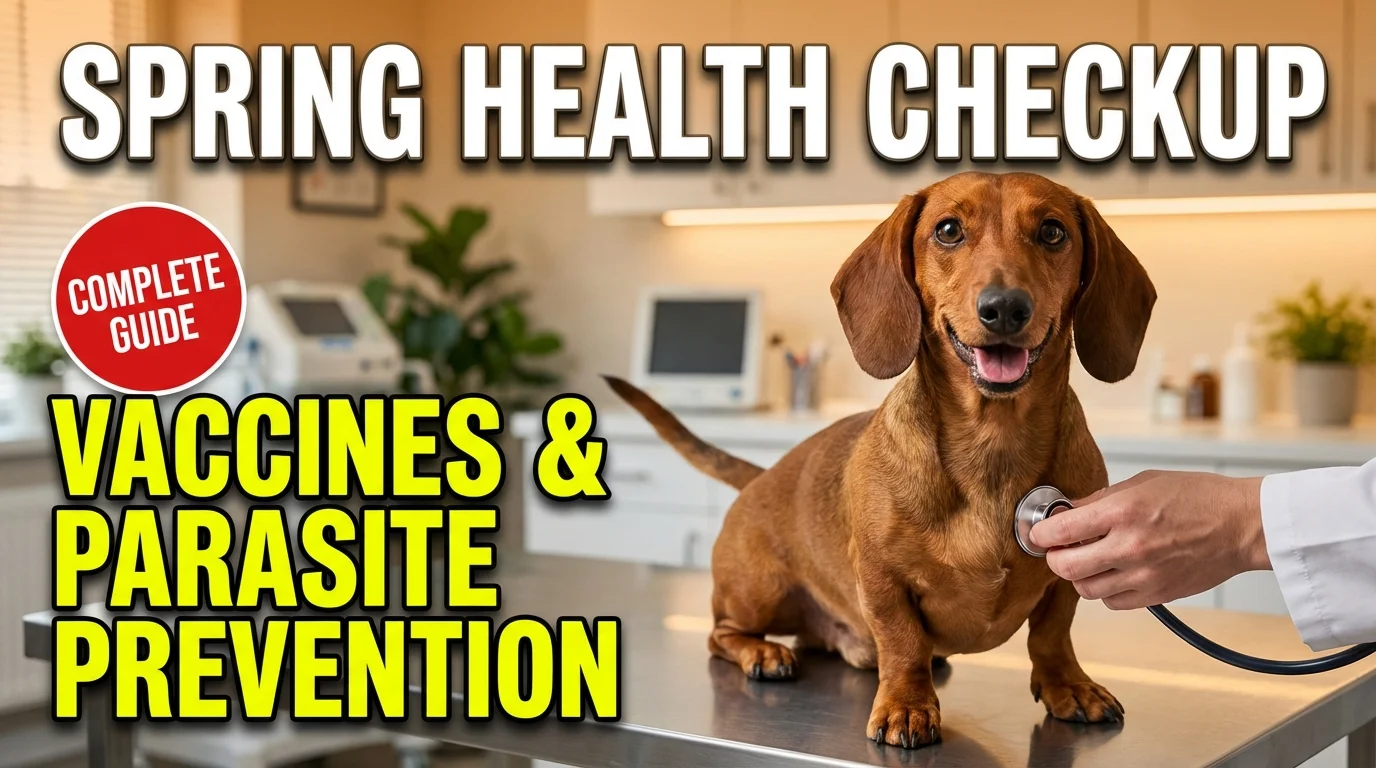
Spring is a crucial season for establishing a solid foundation for your Dachshund's health throughout the year. As the weather warms up and opportunities for outdoor adventures increase, so does the activity of mosquitoes carrying heartworms, as well as fleas and ticks hiding in tall grass. This article provides Dachshund owners with a comprehensive, veterinary-based guide on essential spring health checkups, vaccination schedules, and parasite prevention strategies. Equip yourself with the right knowledge to protect your beloved companion.
The Importance of a Spring Health Checkup
Dachshunds are predisposed to various health risks as they age, including not only joint issues like Intervertebral Disc Disease (IVDD) but also cardiac and endocrine disorders. Since one year of a dog's life is roughly equivalent to four to five human years, regular health screenings are vital for early detection and treatment.
Spring is the perfect time for a comprehensive health checkup (including blood work, urinalysis, and fecal exams), as you will likely be visiting your veterinarian for annual vaccinations and heartworm prevention prescriptions anyway.
What Blood Tests Reveal
By drawing a slightly larger blood sample during the mandatory heartworm test, your vet can evaluate organ functions (such as the liver and kidneys), check for anemia, and assess cholesterol levels. Because Dachshunds are highly prone to obesity, detecting abnormalities in lipid metabolism early on serves as a critical baseline for proper dietary and weight management.
Recommended Imaging for Senior Dogs
For senior Dachshunds over the age of seven, consider upgrading to a "doggy physical" that combines blood tests with ultrasound (echo) and X-ray imaging of the heart and abdominal organs. Abnormalities in heart valves, such as Mitral Valve Disease (MVD), often present no outward symptoms in their early stages, making imaging diagnostics essential.
Vaccinations: Rabies and Core Vaccines
Another primary reason for a spring veterinary visit is to update your Dachshund's vaccinations.
Rabies Vaccination
In many countries and local jurisdictions, an annual or triennial rabies vaccination is legally required for all dogs. Rabies is a fatal infectious disease with a nearly 100% mortality rate once symptoms appear. Vaccinating your dog is not only a legal obligation but also a critical measure for protecting public health. Always check your local regulations regarding the required frequency of rabies shots.
Combination (Core and Non-Core) Vaccines
Separate from the rabies shot, combination vaccines protect against severe diseases such as Canine Distemper, Canine Parvovirus, and Leptospirosis. While not always legally mandated, proof of these vaccinations is typically required when using dog parks, boarding facilities, or grooming salons.
According to the latest guidelines from the World Small Animal Veterinary Association (WSAVA), core vaccines (those every dog should receive) are often recommended every three years for adult dogs. However, non-core vaccines like Leptospirosis—which is especially relevant for dogs that spend time in nature—require annual boosters. Discuss your Dachshund's lifestyle and previous vaccination history with your veterinarian to determine the most appropriate schedule.
Heartworm, Flea, and Tick Prevention Schedule
Protecting your Dachshund from parasites from spring through autumn is an absolute requirement for safe walks and outdoor enjoyment.
Heartworm Prevention
Heartworms (Dirofilaria immitis) are dangerous parasites transmitted by mosquitoes that lodge in a dog's heart and pulmonary arteries, potentially causing fatal heart failure.
- Prevention Period: Generally starts one month after the first mosquitoes appear and ends one month after the last mosquitoes are seen. In many regions, this spans from late spring to early winter, though year-round prevention is recommended in warmer climates.
- Method: Administer a monthly preventive medication (available as chewables, tablets, or topical spot-ons).
- Crucial Warning: Before starting the preventive medication each spring, your dog must have a blood test to confirm they are not already infected. Giving a preventive to a heartworm-positive dog can cause a massive die-off of microfilariae (larvae) in the bloodstream, leading to a severe, potentially fatal anaphylactic shock.
Flea and Tick Prevention
Fleas cause intense itching and allergic dermatitis, while ticks can transmit dangerous diseases such as Lyme disease, Babesiosis, and Severe Fever with Thrombocytopenia Syndrome (SFTS), some of which can also infect humans. Because Dachshunds have short legs and long bodies that keep them close to the ground, they are particularly susceptible to picking up parasites from grass and brush.
- Prevention Period: While year-round prevention is increasingly recommended due to changing climates, it is strictly essential from spring through autumn.
- Method: Administer a monthly preventive. Recently, "all-in-one" chewables that protect against heartworms, fleas, and ticks simultaneously have become popular, simplifying the medication process.
Special Considerations for Dachshunds When Giving Medication
Keep the following points in mind when administering preventive medications to your Dachshund:
- Monitor Weight Changes: Medication dosages are strictly based on weight. Since your dog's weight may have fluctuated over the winter, it is vital to get an accurate weigh-in at the clinic to ensure you receive the correct dosage size.
- Allergies and Sensitivities: If your dog has previously experienced adverse reactions (such as vomiting, diarrhea, or skin redness) to a specific preventive, inform your vet so they can switch to a different formulation or active ingredient.
- Spot-On Application: When applying topical treatments to the back of the neck, a Dachshund's long body means the liquid can sometimes run down their back. Ensure the medication is applied directly to the skin, and if you have multiple pets, keep them separated until the area dries to prevent them from licking it off each other.
FAQ
Q1. Can my dog receive the rabies vaccine, combination vaccine, and heartworm test all on the same day?
While a heartworm blood test can be done on the same day as vaccinations, it is generally not recommended to administer multiple vaccines (like Rabies and a 7-way combo) simultaneously. Vets usually advise spacing them out by at least one to two weeks to minimize the risk of adverse immune reactions. Follow your veterinarian's specific guidance.
Q2. Does my strictly indoor Dachshund really need flea and tick prevention?
Yes. Even if your dog rarely goes outside, humans can easily carry fleas or ticks indoors on their shoes or clothing. Once inside, the warm environment of a home is perfect for parasites to multiply. Regular prevention is strongly recommended even for indoor dogs.
Q3. My senior Dachshund has a chronic illness. Do they still need the rabies vaccine?
If your senior dog is suffering from a severe illness or has significantly compromised health, your veterinarian may determine that vaccination poses too high a risk. In jurisdictions where the vaccine is required by law, the vet can often issue a medical exemption certificate. Always prioritize your dog's current health status and consult closely with your vet.
Conclusion
A comprehensive spring health checkup and a solid parasite prevention plan are the best ways to ensure your Dachshund enjoys a healthy, comfortable year. Plan ahead for their rabies vaccination, heartworm testing, and the start of their flea and tick regimen. Using the spring vet visit as an opportunity for broader blood work and health screenings can also lead to the early detection of hidden conditions. Communicate openly with your veterinarian to tailor the perfect health and prevention schedule for your furry best friend.