Welcoming a dachshund into your family is an exciting experience, but many owners quickly face the challenge of potty training. Due to their unique long-backed and short-legged physique, dachshunds are particularly prone to developing bad potty habits. This article provides a comprehensive, science-based approach to potty training, offering practical tips and solutions for both new owners and those struggling with persistent accidents.
The Basics of Dachshund Potty Training
The first step to successful potty training is understanding your dog's natural instincts and creating an appropriate environment. Dogs naturally avoid soiling their sleeping areas, and leveraging this instinct is the foundation of effective training.
Setting Up the Right Environment
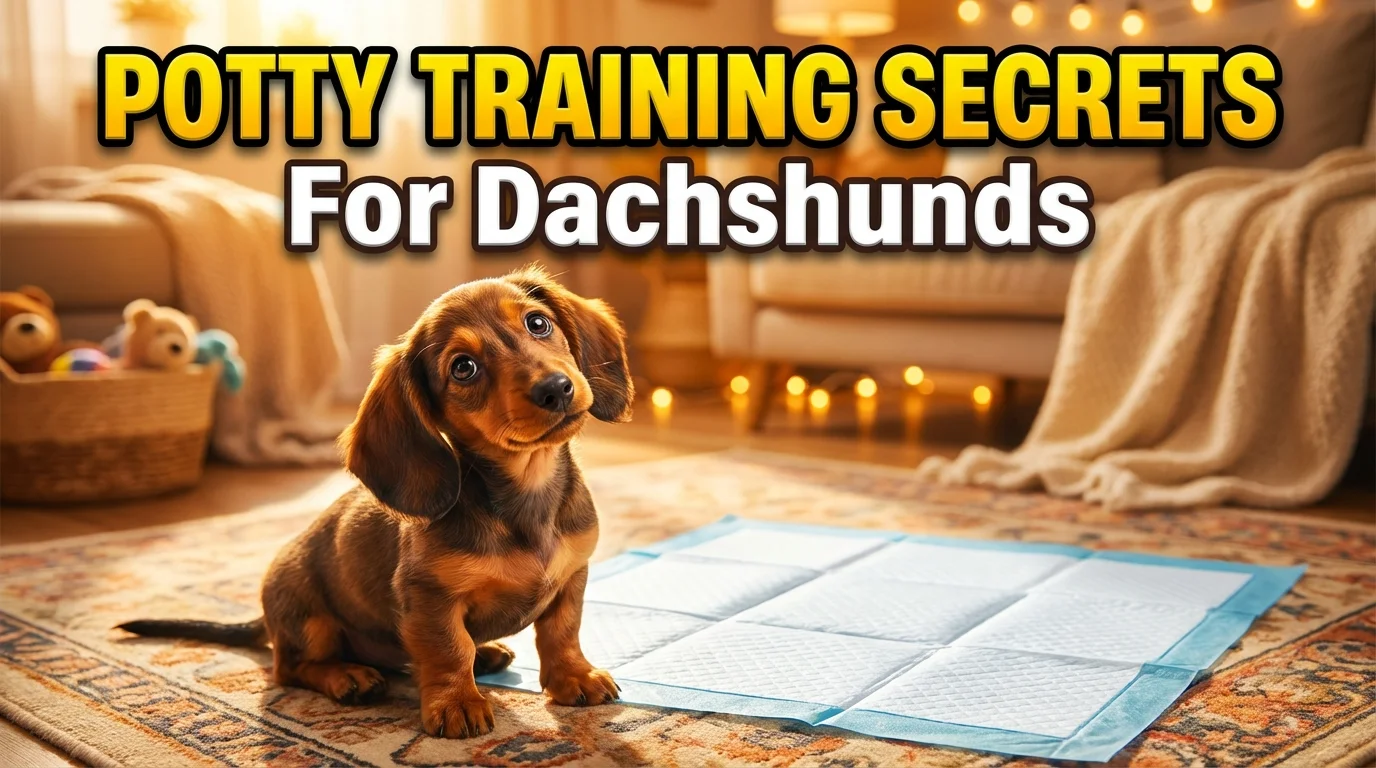
First, provide a designated, safe place for your dog to eliminate. Because of their long bodies, dachshunds often miss the mark on standard-sized potty pads or trays. It is crucial to use a "wide" or extra-large potty tray to accommodate their length.
The location of the potty area is equally important. Place it in a quiet, accessible spot away from their bed or crate. Avoid areas with heavy foot traffic or loud appliances, which can startle or distract your dog.
Recognizing the Signs
Dogs typically need to eliminate at predictable times. Pay close attention and guide your dachshund to the potty area during these key moments:
- Immediately after waking up in the morning
- Shortly after eating or drinking
- After a period of vigorous play or exercise
- Upon waking from a nap
If you notice your dog sniffing the floor intently, circling, or acting restless, these are clear signs that they need to go.
Step-by-Step Potty Training Guide
Once the environment is set up, begin the actual training. Patience and consistency are vital; progress at your dog's pace.
Step 1: Using a Playpen
Starting with a playpen or confinement area is highly effective. Divide the space into a sleeping area and a potty area lined with pads. When your dog shows signs of needing to eliminate, gently guide them to the potty area. Using a consistent verbal cue, such as "go potty," helps them associate the command with the action.
Step 2: Immediate Positive Reinforcement
When your dachshund successfully eliminates on the pad, praise them enthusiastically immediately. Offering a small treat is also very effective. The goal is to teach your dog that "going here results in good things." Timing is critical; praising them even a minute too late will prevent them from making the connection between the action and the reward.
Step 3: Gradually Reducing the Potty Area
As your dog's success rate improves within the playpen, gradually reduce the number of potty pads until only the tray remains. If accidents occur, take a step back and reinforce the previous stage of training.
Common Causes of Accidents and Solutions
Accidents will happen during training. It is essential to identify the root cause and address it appropriately.
Never Punish for Accidents
The most important rule in potty training is never to punish your dog for an accident. Dogs do not understand that they are being scolded for the location; they believe they are being punished for the act of eliminating. This can lead to them hiding to go potty or developing behavioral issues like coprophagia (eating feces).
If you find an accident, clean it up silently and thoroughly using an enzymatic cleaner to remove all odors. Lingering smells will encourage your dog to soil the same spot again.
Re-evaluating the Environment
If accidents persist, reconsider your setup:
- Is the potty tray large enough? (Remember, wide or extra-large is best for dachshunds).
- Is the potty area clean? Dogs prefer a clean environment.
- Is the location too noisy or exposed?
Some dachshunds, due to their short legs, dislike the raised edge of standard trays. In these cases, a flat or low-profile tray may be a better option.
Understanding Marking Behavior
As male dogs reach sexual maturity (usually around six months of age), they may begin "marking" their territory. This is an instinctual behavior, distinct from a lack of potty training. If marking becomes a significant issue, consulting your veterinarian about neutering is often a recommended solution.
Frequently Asked Questions (FAQ)
Here are some common questions from dachshund owners regarding potty training:
Q. Can I potty train an adult dachshund?
Yes, it is entirely possible. However, it requires more patience and time than training a puppy, as you are breaking established habits. The basic steps remain the same, but consistency is even more critical.
Q. My dog pees on the pad but poops off the edge. What should I do?
Dogs often move around more when pooping than when peeing, leading them to step off the pad. Upgrading to an even larger tray or placing extra pads around the perimeter of the current tray can help solve this issue.
Q. My puppy keeps tearing up the potty pads. How can I stop this?
Puppies are naturally curious and love to chew. Using a potty tray with a mesh cover prevents them from accessing and destroying the pad. Additionally, ensure your puppy is getting enough exercise and mental stimulation, as destructive behavior can sometimes stem from boredom.
Conclusion
Successfully potty training a dachshund requires patience, consistency, and positive reinforcement. Never punish accidents; instead, focus on rewarding successes immediately. Accommodating their unique body shape with a large enough potty area is also a key factor.
Enjoy the process of bonding and communicating with your dog. With the right approach and continued effort, your dachshund will learn the rules and become a well-trained companion.