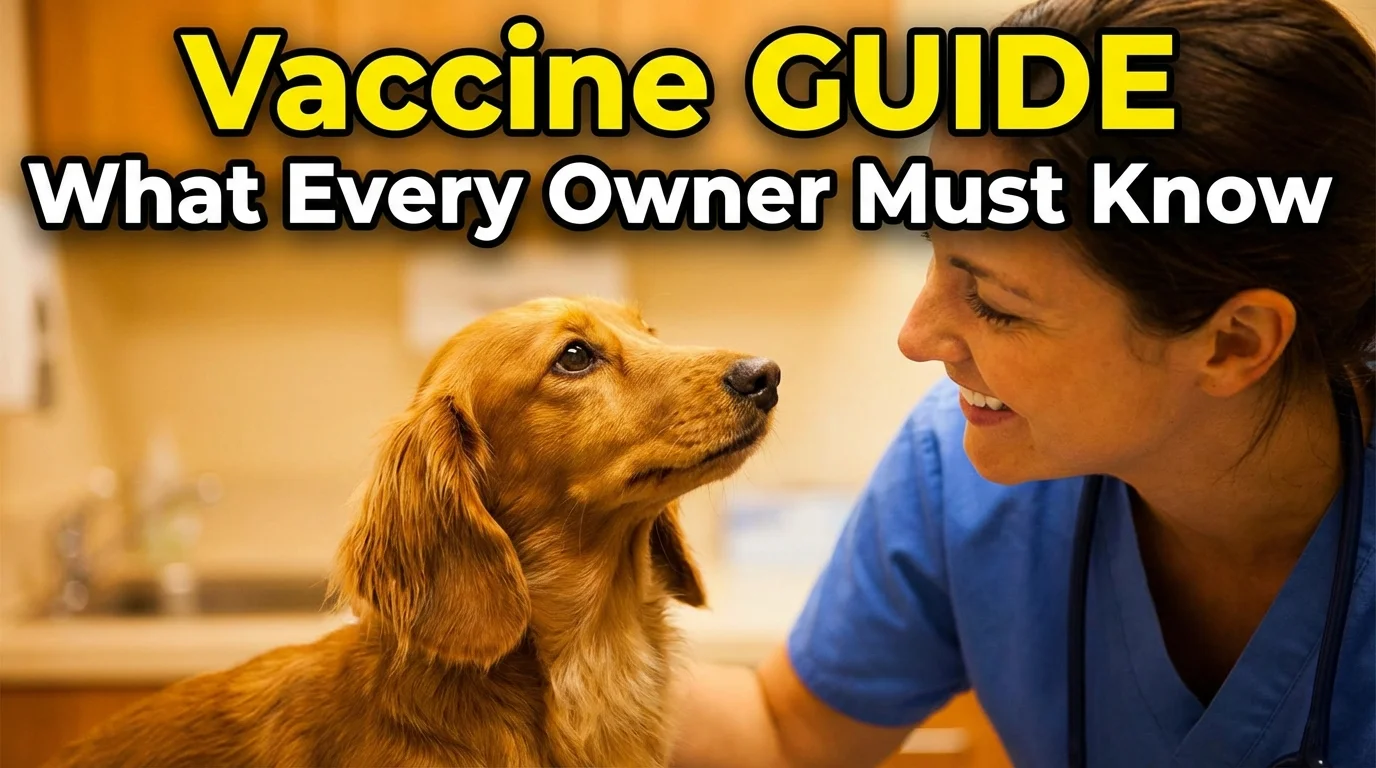
Protecting your dachshund from preventable, life-threatening diseases is one of the most critical responsibilities of pet ownership. Vaccinations are the most effective way to shield your dog from severe viral and bacterial infections, many of which can be fatal or cause lifelong health complications.
This comprehensive guide explores the essential vaccines your dachshund needs, the recommended administration schedule from puppyhood through their senior years, and how to identify and manage potential side effects. By understanding the science behind vaccinations, you can make informed decisions alongside your veterinarian to ensure your dachshund lives a long, healthy life.
Core vs. Non-Core Vaccines for Dachshunds
Veterinary professionals categorize canine vaccines into two primary groups: core and non-core. This distinction helps tailor a vaccination protocol to the specific needs and lifestyle of your dachshund.
Core Vaccines (Essential for All Dogs)
Core vaccines are considered vital for every dog, regardless of their geographical location or lifestyle. These vaccines protect against diseases that are highly contagious, severe, and widely distributed. The American Animal Hospital Association (AAHA) and the World Small Animal Veterinary Association (WSAVA) universally recommend these core vaccines.
The primary core vaccines protect against:
- Canine Parvovirus (CPV): A highly contagious and often fatal virus that attacks the gastrointestinal tract, causing severe vomiting and bloody diarrhea. Puppies are particularly vulnerable.
- Canine Distemper Virus (CDV): A severe, contagious disease affecting the respiratory, gastrointestinal, and central nervous systems. It has no known cure and a high mortality rate.
- Canine Adenovirus Type 2 (CAV-2): This virus causes infectious canine hepatitis, a serious disease that damages the liver and other organs.
- Rabies: A fatal viral disease that affects the central nervous system of mammals, including humans. Vaccination against rabies is legally required in most jurisdictions due to its significant public health risk.
Non-Core Vaccines (Lifestyle Dependent)
Non-core vaccines are administered based on your dachshund's specific risk of exposure. Factors such as where you live, whether your dog attends daycare or boarding facilities, and how often they interact with other animals or wildlife determine the necessity of these vaccines.
Common non-core vaccines include:
- Bordetella bronchiseptica (Kennel Cough): Recommended for dachshunds that frequently visit dog parks, grooming salons, or boarding kennels.
- Leptospirosis: A bacterial infection transmitted through the urine of infected wildlife (like rats or raccoons). It is crucial for dogs living in areas with high rainfall or those that hike near standing water.
- Lyme Disease (Borrelia burgdorferi): Transmitted by ticks, this vaccine is essential if you live in or travel to areas where ticks are prevalent.
- Canine Influenza (Dog Flu): Recommended for dogs in areas with known outbreaks or those frequently exposed to large groups of dogs.
The Recommended Vaccination Schedule
A carefully planned vaccination schedule is vital to ensure your dachshund develops robust immunity without unnecessary over-vaccination.
The Puppy Vaccination Series
Puppies receive temporary immunity from their mother's milk (maternal antibodies) during their first few weeks of life. However, these maternal antibodies can interfere with the effectiveness of vaccines. Because the exact time these antibodies decline varies, puppies require a series of vaccinations to ensure they are protected as their natural immunity fades.
A typical puppy vaccination schedule involves:
- 6 to 8 Weeks: First dose of the core combination vaccine (Distemper, Parvovirus, Adenovirus).
- 10 to 12 Weeks: Second dose of the core combination vaccine, plus any necessary non-core vaccines (e.g., Bordetella, Leptospirosis).
- 14 to 16 Weeks: Third dose of the core combination vaccine. This final dose is crucial as it ensures protection after maternal antibodies have completely diminished. The first Rabies vaccine is also typically administered at this stage, depending on local laws.
Adult Booster Shots
After the initial puppy series is complete, adult dachshunds require booster shots to maintain their immunity.
- At 1 Year of Age: A booster of the core combination vaccine and the Rabies vaccine is administered one year after the final puppy shots.
- Every 3 Years: Following the one-year booster, current WSAVA guidelines recommend that core vaccines (Distemper, Parvo, Adenovirus) be administered every three years, as immunity has been shown to last at least this long. The Rabies vaccine is also typically given on a one- or three-year schedule, dictated by local regulations.
- Annually: Non-core vaccines, such as Bordetella or Leptospirosis, generally provide shorter-lived immunity and often require annual boosters if the risk of exposure remains high.
Many veterinarians now offer titer testing, a blood test that measures the level of antibodies in your dog's blood. This can help determine if a core vaccine booster is truly necessary, preventing over-vaccination.
Recognizing and Managing Side Effects
While vaccines are overwhelmingly safe and essential, they stimulate the immune system, which can occasionally lead to side effects. Dachshunds are generally not more prone to vaccine reactions than other breeds, but as small dogs, their reactions should be monitored closely.
Mild and Common Reactions
It is normal for your dachshund to experience mild, temporary symptoms after receiving a vaccine. These usually resolve within 24 to 48 hours without intervention.
- Lethargy: Your dog may seem unusually tired or sleep more than usual.
- Mild Fever: A slight increase in body temperature.
- Decreased Appetite: A temporary disinterest in food.
- Soreness at the Injection Site: The area where the needle was inserted may be tender or slightly swollen.
During this time, allow your dachshund to rest in a quiet, comfortable environment. When traveling to and from the veterinary clinic, using a secure and supportive carrier can help minimize stress and physical discomfort, especially for a dachshund's long spine.

Dog Carrier Sling - Reversible Puppy Carrier Purse
A comfortable, hands-free sling carrier that provides a secure and cozy way to transport your dachshund to the vet, reducing travel anxiety.
Severe Allergic Reactions (Anaphylaxis)
Although rare, severe allergic reactions to vaccines can occur and require immediate emergency veterinary care. These reactions typically happen within minutes to a few hours after the injection.
Seek immediate veterinary attention if you observe:
- Facial Swelling: Swelling around the eyes, muzzle, or neck.
- Hives: Raised, red, itchy bumps on the skin.
- Vomiting or Diarrhea: Especially if it is persistent or severe.
- Difficulty Breathing: Wheezing, coughing, or labored breathing.
- Collapse or Pale Gums: Signs of shock.
If your dachshund has a history of vaccine reactions, inform your veterinarian before any future vaccinations. They may adjust the protocol, administer an antihistamine prior to the vaccine, or split the vaccines into separate visits to minimize the risk.
Frequently Asked Questions (FAQ)
Q. Is it safe to give my dachshund multiple vaccines on the same day? A. While many dogs tolerate multiple vaccines simultaneously, administering several shots at once can increase the risk of an adverse reaction, particularly in small breeds like dachshunds. Many veterinarians prefer to split vaccinations, administering the Rabies vaccine separately from the core combination vaccine, spaced two to four weeks apart.
Q. Do senior dachshunds still need vaccinations? A. The immune system of a senior dog may not be as robust as a younger dog's, but they still require protection against fatal diseases. However, the risk of side effects may also increase. Discuss your senior dachshund's lifestyle and health status with your vet. Titer testing is an excellent option for older dogs to confirm immunity without administering unnecessary boosters. Rabies vaccination remains legally required unless a medical exemption is granted by a veterinarian.
Q. My dachshund developed a small lump where they got their shot. Should I be worried? A. A small, firm, painless lump at the injection site is a relatively common reaction. It is a localized immune response and typically resolves on its own within a few weeks to a couple of months. However, if the lump grows larger, feels hot to the touch, appears painful, or persists for more than three months, it should be examined by a veterinarian.
Conclusion
Vaccinations are a cornerstone of preventive healthcare for your dachshund. By understanding the difference between core and non-core vaccines, adhering to a proper schedule, and remaining vigilant for potential side effects, you can provide your dog with the best possible protection against infectious diseases. Always consult with your veterinarian to develop a customized vaccination plan tailored to your dachshund's unique needs and lifestyle.