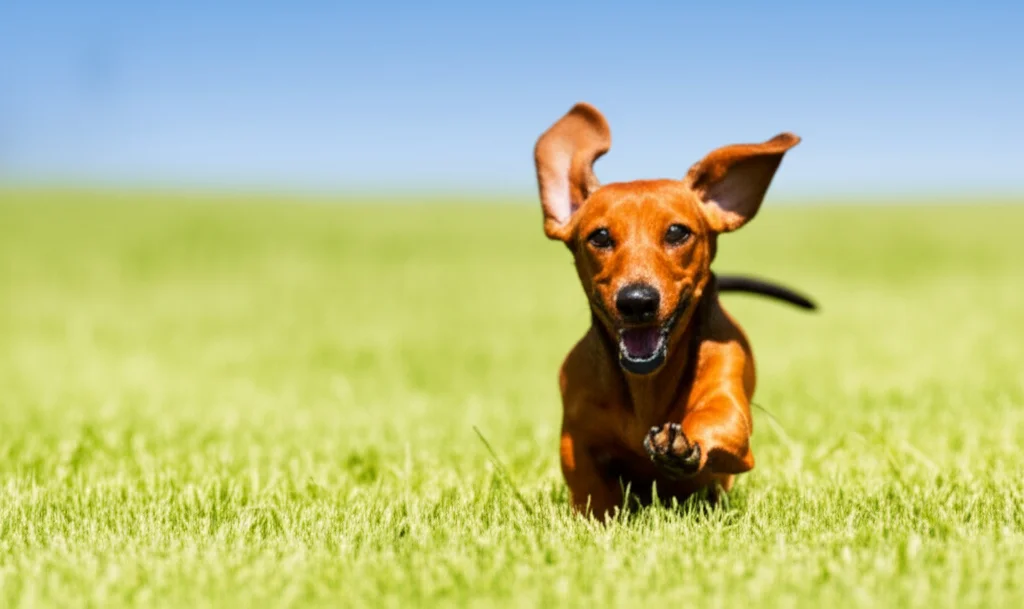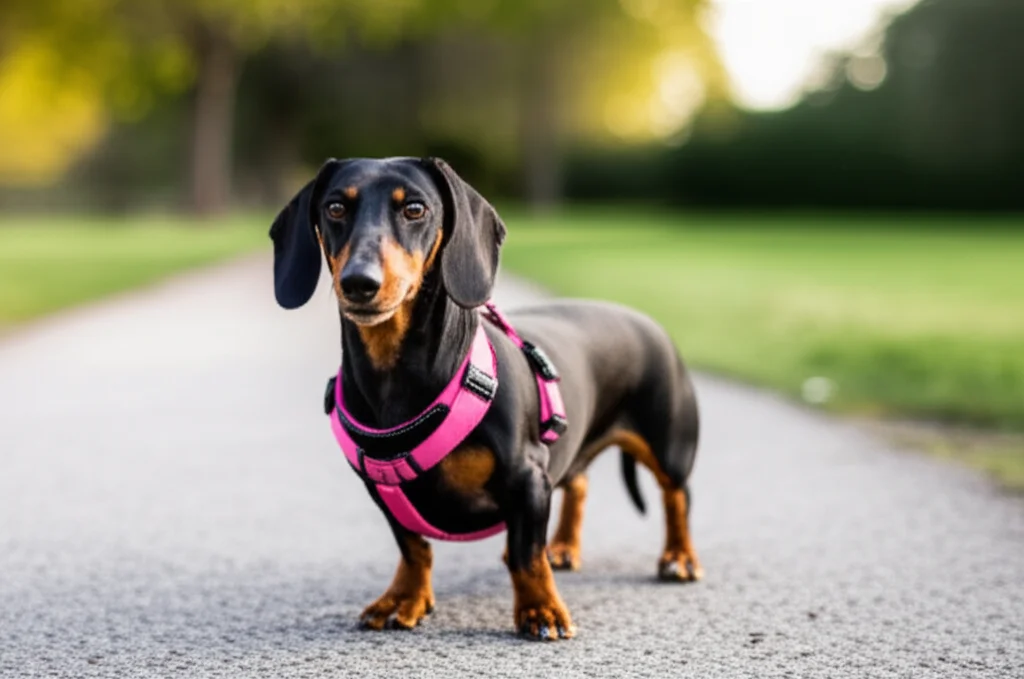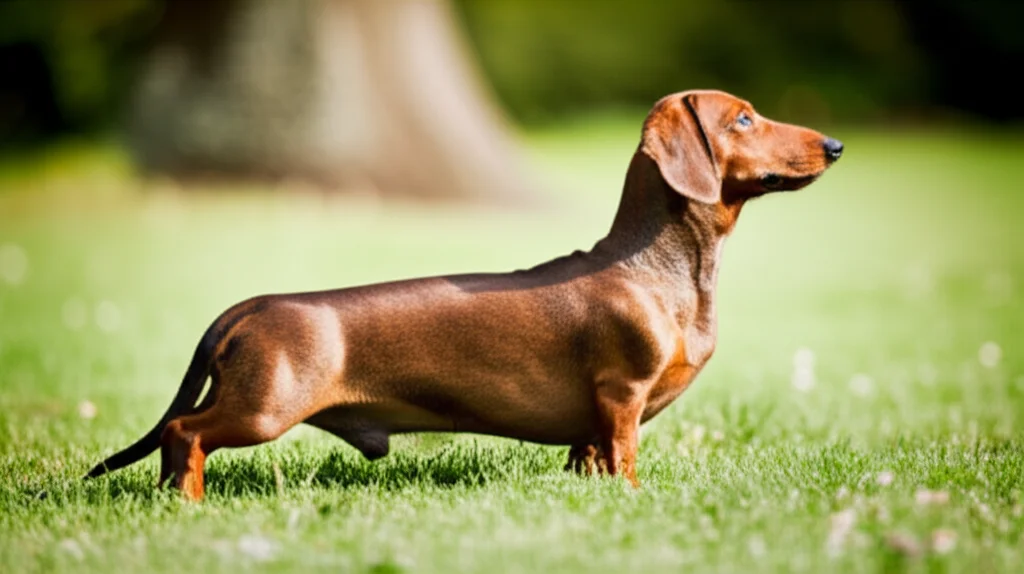
Weight management is arguably the most important aspect of dachshund care that owners can directly control. Due to their elongated spinal structure, every extra pound on a dachshund puts disproportionate stress on the intervertebral discs, dramatically increasing the risk of IVDD — the breed's most serious health concern.
This guide provides ideal weight ranges by size and age, teaches you how to assess your dachshund's body condition, and offers practical strategies for maintaining a healthy weight.
Ideal Weight Ranges by Size
Dachshunds come in three sizes, each recognized by major kennel clubs. Here are the ideal weight ranges:
Standard Dachshund
- Adult weight: 16–32 lbs (7–15 kg)
- Chest circumference: Over 35 cm
- The original hunting size, bred for badger hunting in Germany
- Males tend to be at the higher end of the range
Miniature Dachshund
- Adult weight: 8–11 lbs (4–5 kg)
- Chest circumference: 30–35 cm
- The most popular size worldwide
- Should feel solid but not heavy
Kaninchen (Rabbit) Dachshund
- Adult weight: 6–8 lbs (3–3.5 kg)
- Chest circumference: Under 30 cm
- Recognized by FCI but not AKC
- Extremely small — even a few ounces of excess weight matters
Weight by Age: Growth Chart
Understanding typical growth patterns helps you know if your dachshund is on track.
Miniature Dachshund Growth Timeline
| Age | Expected Weight |
|---|---|
| 8 weeks | 2–3 lbs (1–1.4 kg) |
| 3 months | 3–5 lbs (1.4–2.3 kg) |
| 6 months | 5–8 lbs (2.3–3.6 kg) |
| 9 months | 7–10 lbs (3.2–4.5 kg) |
| 12 months | 8–11 lbs (3.6–5 kg) |
Most dachshunds reach their adult weight between 10–12 months, though some continue to fill out until 18 months.
Standard Dachshund Growth Timeline
| Age | Expected Weight |
|---|---|
| 8 weeks | 4–6 lbs (1.8–2.7 kg) |
| 3 months | 6–10 lbs (2.7–4.5 kg) |
| 6 months | 12–20 lbs (5.4–9 kg) |
| 9 months | 14–26 lbs (6.4–12 kg) |
| 12 months | 16–32 lbs (7–15 kg) |
How to Assess Your Dachshund's Body Condition
The number on the scale only tells part of the story. Use the Body Condition Score (BCS) system to evaluate your dog's body composition on a 1–9 scale.
Ideal (BCS 4–5)
- Ribs: Easily felt with light pressure, covered by a thin layer of fat
- Waist: Visible waist when viewed from above
- Abdomen: Tucks up from the chest when viewed from the side
Overweight (BCS 6–7)
- Ribs are harder to feel, covered by a noticeable fat layer
- Waist is barely visible
- Abdomen shows little to no tuck
Obese (BCS 8–9)
- Ribs are difficult or impossible to feel
- No visible waist — the body is barrel-shaped
- Abdomen may sag or bulge
- Fat deposits on the neck, back, and base of tail
Why Weight Matters More for Dachshunds
The dachshund's body is essentially a bridge: the long spine spans between the front and rear legs with minimal skeletal support in between. Additional weight acts like placing heavy loads on the center of this bridge.
IVDD Connection
Studies show that overweight dachshunds have a significantly higher rate of IVDD episodes. The excess weight:
- Increases compression on intervertebral discs
- Reduces the spine's ability to absorb shock during movement
- Accelerates disc degeneration over time
Joint Health
Extra weight also stresses the joints in the short legs, leading to:
- Patellar luxation (kneecap dislocation)
- Arthritis, especially in senior dogs
- Reduced mobility and exercise intolerance
Metabolic Effects
Obese dachshunds face increased risk of:
- Diabetes mellitus
- Cardiovascular disease
- Pancreatitis (especially with high-fat diets)
- Reduced lifespan (studies suggest up to 2 years shorter)
Practical Weight Management Strategies
Feeding Guidelines
- Measure every meal: Use a kitchen scale for accuracy. Measuring cups can vary by 20% or more
- Calculate daily calories: A typical 10 lb miniature dachshund needs roughly 300–350 calories per day. Adjust for activity level
- Control treats: Limit treats to 10% of daily caloric intake. Use tiny portions — your dachshund won't notice the difference in size
- Choose quality food: High-protein, moderate-fat formulas designed for small breeds work well

Royal Canin Small Weight Care Adult Dry Dog Food
Specifically formulated for small breeds needing weight management, this high-protein, reduced-calorie food helps your dachshund maintain a healthy weight. The kibble size is designed for small jaws, making it ideal for miniature dachshunds.
Exercise Recommendations
- Daily walks: 20–30 minutes, twice daily
- Avoid jumps and stairs: Protect the spine during exercise
- Swimming: Excellent low-impact exercise for dachshunds (with supervision)
- Mental stimulation: Puzzle feeders and nose work burn calories without spinal stress

KONG Classic Dog Toy - Small
The gold standard of interactive dog toys, recommended by veterinarians worldwide. Stuff it with treats or kibble to keep your dachshund mentally stimulated while burning calories — a great low-impact exercise option that protects the spine.
Weight Loss Protocol
If your dachshund needs to lose weight:
- Consult your veterinarian first
- Target losing 1–2% of body weight per week (gradual is safer)
- Reduce current food intake by 10–15%
- Switch to a weight management formula if needed
- Increase exercise gradually
- Weigh weekly and track progress
- Reassess with your vet every 4–6 weeks
Post-Spay/Neuter Weight Management
Spaying or neutering reduces metabolic rate by approximately 20–30%. This means:
- Your dachshund will need fewer calories than before the surgery
- Reduce food portions by 10–20% post-surgery
- Monitor weight weekly for the first 3 months
- Increase exercise once cleared by your vet
Many owners don't adjust feeding after surgery, leading to gradual weight gain that compounds over months.
FAQ
How much should my miniature dachshund weigh?
A healthy miniature dachshund typically weighs 8–11 lbs (4–5 kg). However, individual frame size varies, so the Body Condition Score is a more reliable indicator than weight alone.
How can I tell if my dachshund is overweight?
Use the BCS method: feel for the ribs (you should be able to count them with light pressure), look for a waist from above, and check for an abdominal tuck from the side. If you cannot feel ribs or see a waist, your dachshund is likely overweight.
Are certain dachshund types more prone to obesity?
All types can become overweight, but miniature long-haired dachshunds tend to be slightly more sedentary and thus may gain weight more easily. Males that have been neutered are also at higher risk.
What's the best diet food for an overweight dachshund?
Look for a formula that is high in protein (25%+), moderate in fat (8–12%), and includes adequate fiber to promote satiety. Several major brands offer small-breed weight management formulas.
Conclusion
Maintaining your dachshund at a healthy weight is one of the most effective things you can do to prevent IVDD and ensure a long, active life. Regular weigh-ins, proper portion control, daily exercise, and periodic BCS assessments will keep your dachshund in optimal condition. When in doubt, consult your veterinarian — they can provide personalized guidance based on your dog's specific size, age, and health status.