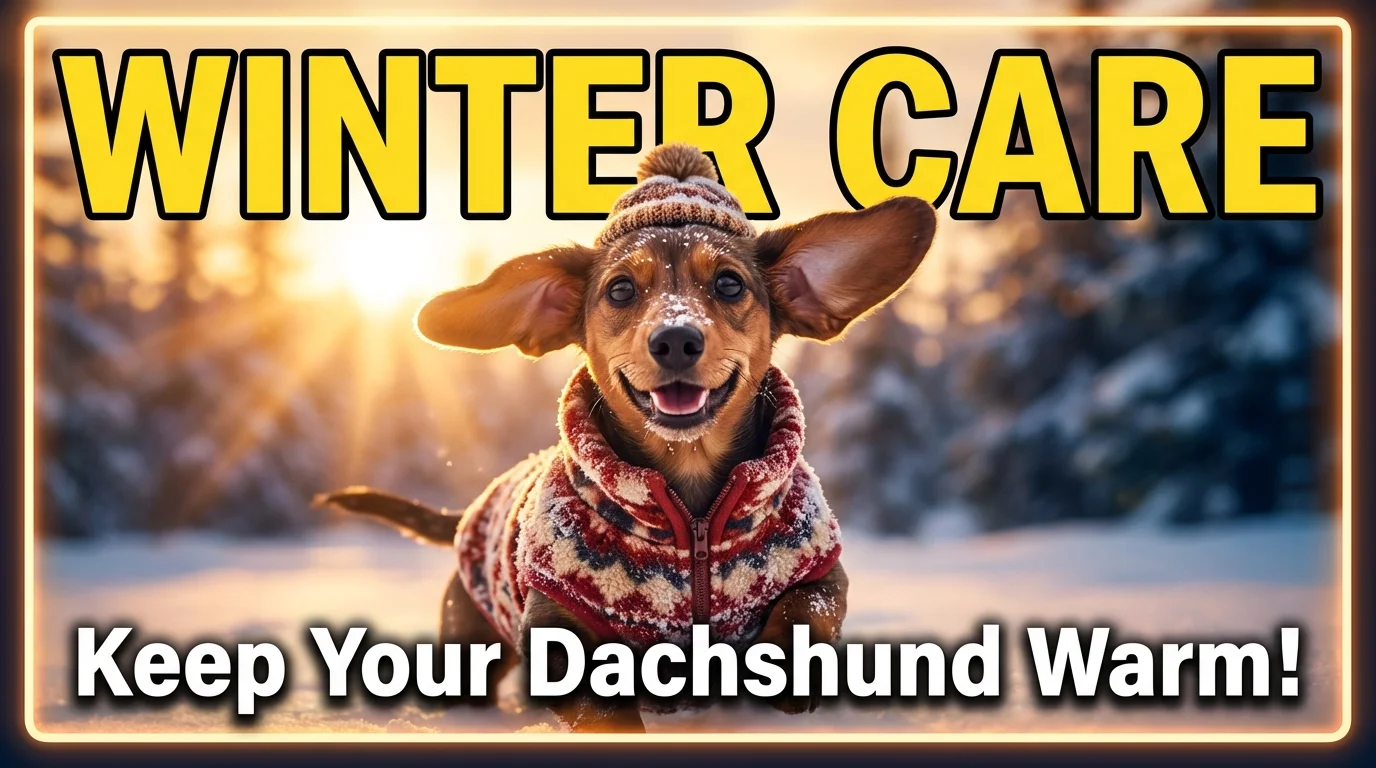
Dachshunds, with their charming long bodies and spirited personalities, are a beloved breed. However, their unique physique makes them particularly susceptible to the cold. As winter approaches, it's crucial for owners to understand how to keep their sausage dogs safe, warm, and happy.
This comprehensive guide draws on veterinary-backed information to explain the science behind why Dachshunds get cold and provides actionable steps for their winter care. From selecting the right coat to creating a cozy indoor environment and recognizing early signs of distress, you'll find everything you need to protect your furry friend during the colder months.
Why Are Dachshunds So Sensitive to Cold?
A Dachshund's vulnerability to cold isn't just a hunch; it's rooted in their distinct physical traits. Three primary factors contribute to their low tolerance for chilly temperatures.
1. Their Coat Type
Dachshunds come in three coat varieties: smooth, long-haired, and wire-haired. The most common type, the smooth-haired Dachshund, has a single coat with no insulating undercoat [1]. This means there is very little barrier between their skin and the cold air, leading to rapid heat loss. While long and wire-haired varieties have more fur, their coats often lack the dense, fluffy underlayer needed for true insulation.
2. Their Proximity to the Ground
Their iconic "long-bodied, short-legged" build means their bellies are just inches from the cold, hard ground. This low clearance exposes their core to frost, snow, and icy surfaces, causing them to lose body heat much faster than taller breeds [2]. Their entire underside acts like a radiator in reverse, constantly wicking warmth away from their body.
3. Low Body Fat
Originally bred for hunting badgers, Dachshunds have a lean, muscular build. While this makes them agile, it also means they have relatively low body fat [3]. Fat serves as a natural layer of insulation, and without a significant amount, Dachshunds have a harder time retaining body heat, making them more prone to feeling the chill.
Health Risks of Cold Exposure for Dachshunds
Letting your Dachshund get too cold is more than just uncomfortable—it can lead to serious health issues. Understanding these risks is the first step toward prevention.
Hypothermia
Hypothermia occurs when a dog's body temperature drops to a dangerously low level because it's losing heat faster than it can produce it. Early signs include shivering and lethargy. If left untreated, it can progress to confusion, collapse, and can even be fatal [4]. Due to their small size and physical traits, Dachshunds are at a higher risk.
Joint and Muscle Issues
Cold weather causes blood vessels to constrict, tightening muscles and stiffening joints. This can lead to discomfort and an increased risk of injury. For Dachshunds, this is particularly concerning due to their predisposition to Intervertebral Disc Disease (IVDD). Cold, stiff muscles can put extra strain on their long spine, potentially exacerbating or triggering this painful condition [1].
Weakened Immune System
Exposure to cold can suppress the immune system, leaving your dog more vulnerable to infections and illnesses. Puppies, senior dogs, and those with pre-existing health conditions are especially at risk during the winter months.
A Guide to Safe and Fun Winter Walks
Walks are essential for a Dachshund's physical and mental health, even in winter. With the right gear and precautions, you can both enjoy the outdoors safely.
Choosing the Right Winter Coat
A coat is a non-negotiable piece of winter equipment for a Dachshund. Here’s what to look for:
| Feature | Details |
|---|---|
| Material | An ideal coat has a waterproof or water-resistant outer shell (like nylon or polyester) to keep them dry and a warm inner lining (like fleece) for insulation. |
| Fit & Coverage | Look for coats specifically designed for Dachshunds. It should be long enough to cover their entire back and provide good belly coverage without restricting movement. |
| Ease of Use | Coats with adjustable Velcro straps or zippers are easy to put on and take off, minimizing stress for you and your dog. |
Protecting Their Paws
Paws are also vulnerable to the cold. Dog boots are an excellent way to protect them from frostbite and harmful de-icing chemicals on sidewalks. If your dog won't tolerate boots, apply a protective paw balm before walks to create a barrier against the elements and moisturize their pads to prevent cracking.
Timing and Route Selection
When possible, schedule walks during the warmest part of the day, typically between late morning and early afternoon. Avoid walking in the dark during early mornings or evenings when temperatures are at their lowest. Stick to sunny paths and avoid heavily shaded or windy areas.
Creating a Cozy and Safe Indoor Haven
Since your Dachshund will be spending more time indoors during the winter, optimizing your home environment is key to their well-being.
Ideal Room Temperature
Most experts agree that a comfortable indoor temperature for dogs is around 68-72°F (20-22°C) [5]. If you use a space heater, ensure it's dog-safe and placed where your pet can't knock it over. Also, central heating can dry out the air, so using a humidifier to maintain a humidity level of 40-60% can prevent dry skin and respiratory irritation.
A Warm Place to Sleep
Provide a warm, comfortable bed away from drafts. An elevated bed keeps them off the cold floor, while a cave-style or donut bed allows them to burrow and retain body heat. Adding extra blankets for them to snuggle into is always a good idea.
Safe Use of Heating Elements
Heated beds and pads can be a great source of comfort, but always use them with caution. Never allow your dog to lie directly on a heating pad to avoid burns, and ensure they can easily move away if they get too warm. Supervise your dog and inspect cords for any signs of chewing.
How to Tell if Your Dachshund is Cold
Dogs can't tell us when they're cold, so it's up to us to recognize the signs. Watch for these common indicators:
- Shivering or trembling
- Curling up in a tight ball
- Reluctance to go outside or being less active
- Huddling near heat sources
- Drinking less water
- Cold ears, paws, or tail tip
If you notice these signs, bring your dog inside immediately, wrap them in a warm blanket, and monitor them closely.
Frequently Asked Questions (FAQ)
Q1: Does every Dachshund need a winter coat?
A1: While not every single one might, it is highly recommended for the vast majority, especially smooth-haired, young, old, or lean Dachshunds. A coat is a simple and effective tool to help them regulate their body temperature and prevent cold-related health risks.
Q2: Is it safe to leave the heating on all day for my dog?
A2: Yes, as long as safety precautions are in place. Ensure your dog has space to move to a cooler area if they get too warm, and never leave them unsupervised with heating elements that could pose a burn or fire risk. Using a thermostat to maintain a consistent, moderate temperature is the safest approach.
Q3: What are the biggest dangers of walking in the snow?
A3: Besides the cold itself, watch out for ice balls forming between their paw pads, which can be painful. Also, be aware of de-icing salts and chemicals, which can burn their paws and are toxic if ingested. Wiping their paws and belly after a walk is crucial.
Conclusion
Because of their unique anatomy, Dachshunds require special consideration during the winter. By understanding their vulnerabilities and taking proactive steps—providing proper outerwear, creating a warm indoor space, and recognizing the signs of cold stress—you can ensure your long-bodied companion stays healthy, safe, and happy all season long. Embrace the cozy moments and enjoy a wonderful winter with your beloved Dachshund.
References
[1] Doxie Watch Japan. "Is Your Dachshund Sensitive to the Cold? Reasons and Easy Countermeasures." https://doxiewatch-japan.com/blogs/popular/cold-weather-tips-for-dachshunds [2] Luther Bennett. "The Ultimate Guide to Choosing a Dachshund Winter Coat." https://www.lutherbennett.com/en-us/blogs/news/dachshund-coat-ultimate-guide [3] 2royalhounds. "Why your Dachshund Needs a Jumper in Winter." https://2royalhounds.com.au/blogs/news/why-your-dachshund-needs-a-jumper-like-a-royal-romper-in-winter [4] PetMD. "Hypothermia in Dogs: Signs and Treatment." https://www.petmd.com/dog/conditions/cardiovascular/dog-hypothermia [5] PETOKOTO. "[Veterinarian Commentary] Do Dogs Get Cold? Dog Breeds That Are Strong/Weak Against Cold, Signs of Cold, and Countermeasures." https://petokoto.com/articles/1832