Introduction: The Critical Importance of Weight Management for Dachshunds
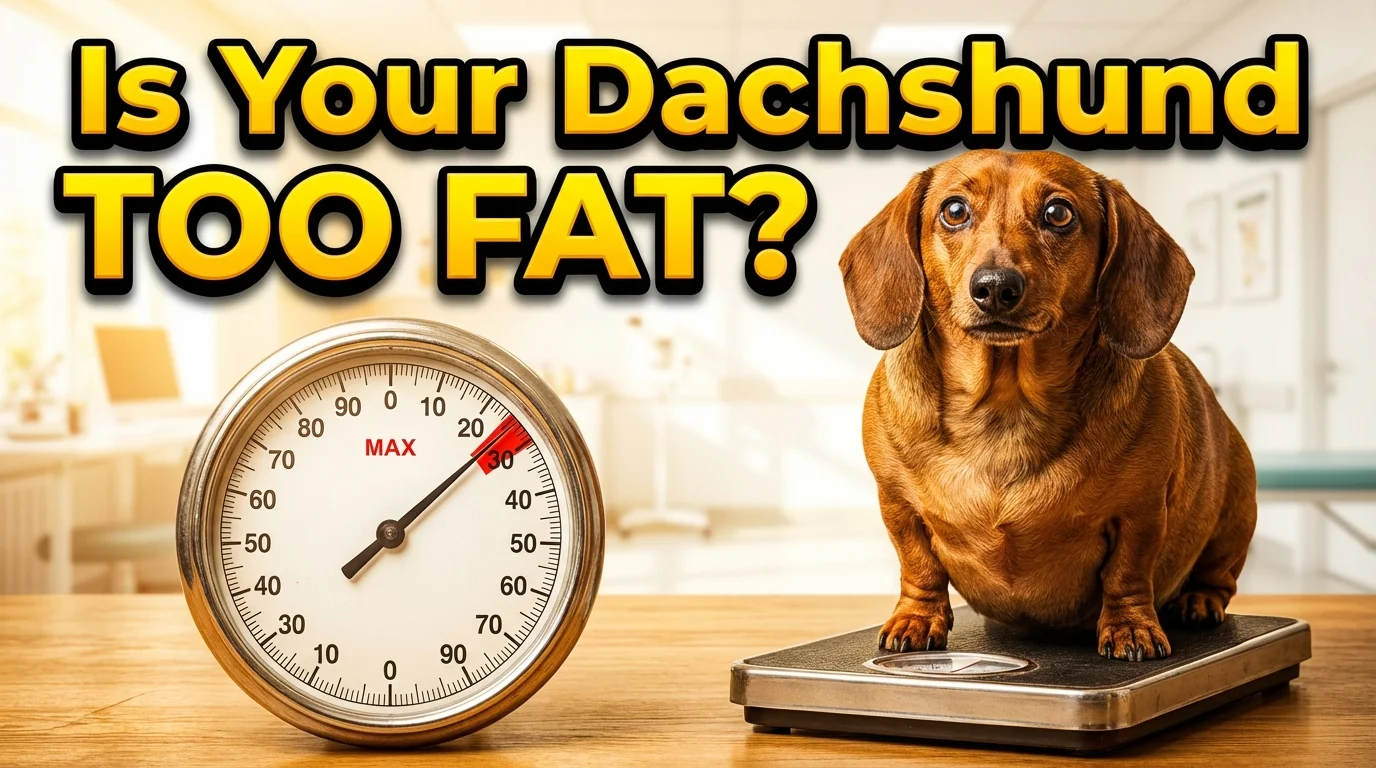
Due to their unique elongated bodies and short legs, Dachshunds are highly susceptible to spinal issues, most notably Intervertebral Disc Disease (IVDD). Even a slight increase in body weight can place immense stress on their spine and joints. Therefore, maintaining an ideal weight is not just about appearance; it is one of the most critical factors in ensuring a long, healthy, and pain-free life for your Dachshund.
Many owners struggle with their Dachshund's weight, often wondering, "How much should I feed them to help them lose weight safely?" Successful weight loss requires more than simply cutting back on kibble. It demands a scientific approach to control caloric intake while ensuring they still receive all essential nutrients.
In this comprehensive guide, we will explore the veterinary-approved methods for calculating your Dachshund's daily calorie needs, practical tips for diet management, and how to select the best weight loss dog food. Let's help your furry friend regain a healthy figure and vitality.
How to Calculate Your Dachshund's Daily Calorie Needs
The first step in any successful weight loss plan is determining exactly how many calories your dog needs. Guessing or eyeballing portions is dangerous, as it can lead to malnutrition or the frustrating "yo-yo" effect. We use two key metrics: Resting Energy Requirement (RER) and Daily Energy Requirement (DER).
Calculating Resting Energy Requirement (RER)
RER represents the basic number of calories your dog needs to maintain essential bodily functions while at rest. The formula is:
RER = 70 × (Current Body Weight in kg)^0.75
Tip for calculating: Multiply the weight (in kg) by itself three times (Weight × Weight × Weight). Then, press the square root (√) button twice on your calculator. Finally, multiply that number by 70.
Calculating Daily Energy Requirement (DER) for Weight Loss
Once you have the RER, you multiply it by a specific multiplier based on your dog's lifestyle and goals to find their DER. For a dog that needs to lose weight, the multiplier is typically 1.0.
- Weight Loss Multiplier: 1.0
Therefore, the target daily caloric intake for a Dachshund on a diet is simply: RER × 1.0.
[Example Calculation: A 6kg (13.2 lbs) Dachshund needing to lose weight]
- RER = 70 × (6)^0.75 ≈ 268 kcal
- DER (Weight Loss) = 268 kcal × 1.0 = 268 kcal
This "268 kcal" is the absolute maximum number of calories your Dachshund should consume in a day, including both meals and treats.
3 Essential Tips for Successful Diet Management
Sticking to the calculated calorie limit is crucial, but how you feed your dog can significantly impact their stress levels and the overall success of the diet.
1. Divide Meals into Multiple Smaller Portions
When caloric intake is restricted, your dog will naturally feel hungrier. To prevent stress and avoid vomiting caused by excess stomach acid on an empty stomach, divide their daily food allowance into 3 to 4 smaller meals instead of the usual two. Frequent, smaller meals help stabilize blood sugar levels and keep them feeling fuller throughout the day.
2. Keep Treats Under 10% of Total Daily Calories
Treats are essential for training and bonding, even during a diet. However, you must account for every calorie. The golden rule is that calories from treats should never exceed 10% of your dog's total Daily Energy Requirement (DER).
Consider substituting high-calorie commercial treats with healthy, low-calorie alternatives like small pieces of boiled carrots, green beans, or cucumbers.
3. Always Weigh Food with a Kitchen Scale
Never rely on measuring cups or the feeding guidelines printed on the dog food bag, as these are often inaccurate and generalized. The density and size of kibble can vary wildly.
For a small breed like a Dachshund, overfeeding by just a few grams per meal can completely derail a diet. Make it a strict habit to use a digital kitchen scale to measure their food in grams for every single meal.
How to Choose the Best Weight Loss Dog Food
Simply feeding less of your dog's regular maintenance food is not recommended. Doing so restricts not only calories but also essential proteins, vitamins, and minerals, which can lead to muscle loss and a weakened immune system. A specialized "weight management" or "diet" dog food is necessary for healthy weight loss.
Prioritize High Protein and Low Fat
To lose fat while maintaining lean muscle mass, the diet must be rich in high-quality protein. If protein intake drops too low, your dog's basal metabolic rate will decrease, making it even harder to lose weight. Look for formulas that specifically highlight high protein content alongside significantly reduced fat levels.
Look for High Fiber Content for Satiety
Diet dog foods typically contain higher levels of dietary fiber than regular kibble. Fiber is low in calories and absorbs water in the stomach, expanding to create a lasting feeling of fullness. This helps prevent your Dachshund from constantly begging for food. Additionally, fiber promotes healthy digestion and regular bowel movements.
Check for Joint Support Supplements
Overweight Dachshunds almost certainly have added stress on their joints and spine. Choosing a diet food that includes joint-supporting ingredients like Glucosamine and Chondroitin can provide extra protection and relieve some of the discomfort associated with carrying excess weight.
Frequently Asked Questions (FAQ)
Q: My dog's stool volume increased after switching to diet food. Is this normal?
A: Yes, this is entirely normal. Weight management foods contain higher amounts of dietary fiber to keep your dog feeling full, which naturally results in bulkier stools. However, if you notice persistent diarrhea or very loose stools, consult your veterinarian, as the specific formula might not agree with your dog's digestive system.
Q: Can I just increase their exercise instead of reducing their food?
A: For an overweight Dachshund, suddenly increasing exercise is highly dangerous. The extra weight puts immense pressure on their spine, drastically increasing the risk of an IVDD rupture during vigorous activity. Weight loss must start in the kitchen. Focus on diet first to reach a safer weight, and only then gradually introduce gentle, low-impact exercises like walking.
Q: My family members keep sneaking treats to the dog, ruining the diet. What should I do?
A: Consistency from the entire household is mandatory. First, educate everyone on why the diet is critical—specifically explaining the severe risks of IVDD and paralysis. A practical solution is to measure out the entire day's allowance of treats into a small container every morning. Establish a strict rule: once the container is empty, no more treats are allowed for the rest of the day.
Conclusion
Managing your Dachshund's weight is a profound act of love that directly protects them from debilitating spinal injuries and extends their lifespan.
- Calculate their precise RER and DER to establish a strict daily calorie limit.
- Weigh every meal with a digital scale and divide their food into 3-4 portions daily.
- Strictly limit treats to less than 10% of their total caloric intake.
- Transition to a high-protein, low-fat, high-fiber weight management dog food.
Weight loss is a marathon, not a sprint. Be patient, stay consistent, and work closely with your veterinarian. Start implementing these scientific dietary changes today to ensure your Dachshund enjoys a long, active, and healthy life.