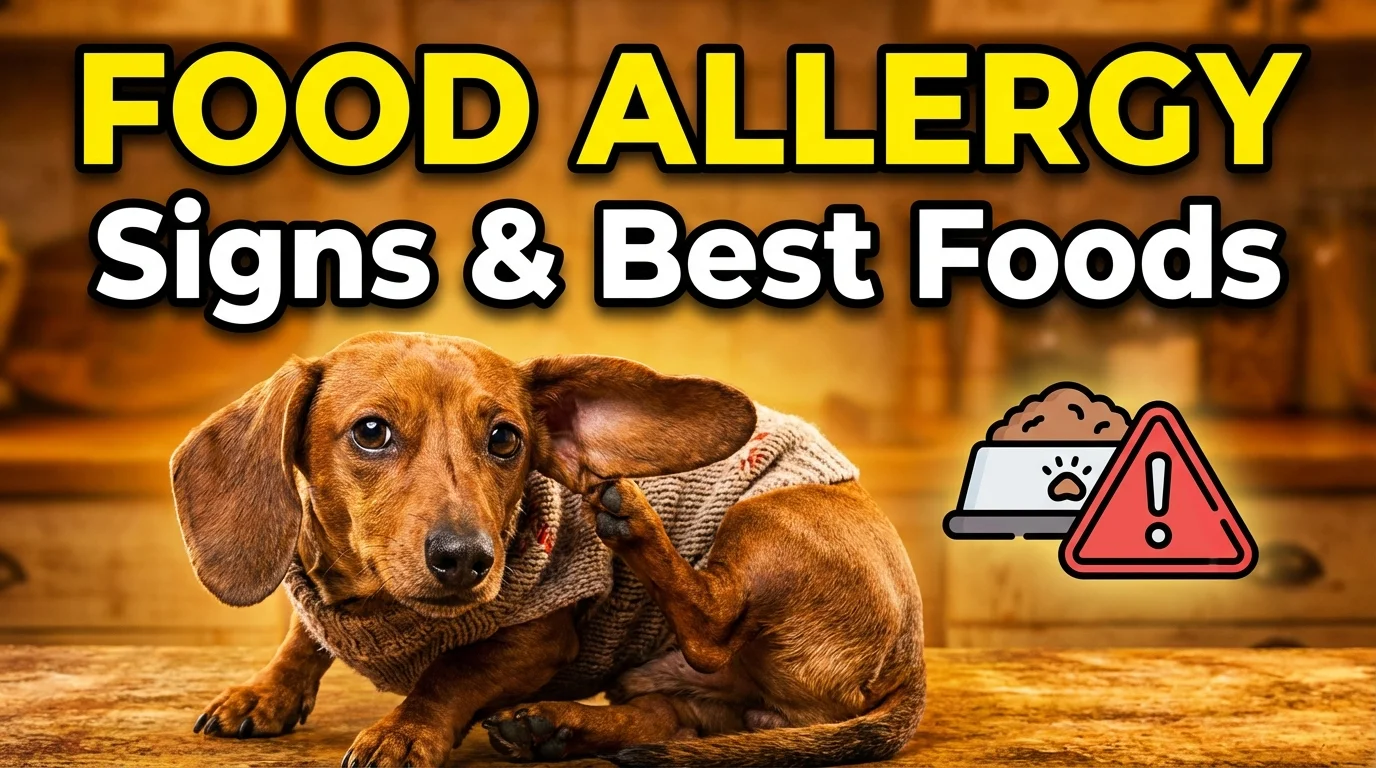
Is Your Dachshund's Food Causing Their Itch?
Does your Dachshund constantly scratch, bite their paws, or suffer from chronic ear infections? While many owners suspect environmental factors like pollen or fleas, the true culprit might be hiding in their food bowl. Food allergies are a common yet frequently misunderstood issue among Miniature Dachshunds.
Due to their genetic predisposition to sensitive skin, Dachshunds are particularly vulnerable to allergic dermatitis. When their immune system misidentifies a harmless protein in their diet as a dangerous invader, it triggers a cascade of uncomfortable symptoms.
In this comprehensive guide, we will explore the science behind canine food allergies, how to spot the early warning signs, the most common trigger ingredients, and how to select the best hypoallergenic dog food to bring your beloved Dachshund lasting relief.
Understanding Canine Food Allergies
A food allergy occurs when a dog's immune system mounts an abnormal response to a specific ingredient—most commonly a protein source. The body produces antibodies against the allergen, releasing histamines that cause severe itching, inflammation, and gastrointestinal distress.
Food Allergy vs. Food Intolerance
It is crucial to distinguish between a true food allergy and a food intolerance. A food intolerance is a digestive issue, similar to lactose intolerance in humans. It occurs when a dog lacks the necessary enzymes to digest a specific ingredient, leading to symptoms like diarrhea or vomiting.
While food intolerance primarily affects the digestive tract, a true food allergy involves the immune system and is characterized by intense, chronic skin itching alongside potential gastrointestinal upset.
Key Signs Your Dachshund Has a Food Allergy
Dachshunds with food allergies typically exhibit a combination of dermatological and gastrointestinal symptoms. If you notice any of the following signs, it may be time to evaluate their diet:
1. Severe Itching and Skin Inflammation
The hallmark of a food allergy is relentless itching (pruritus). Unlike seasonal allergies, food-induced itching persists year-round. Pay close attention if your Dachshund frequently scratches or licks these specific areas:
- Paws and between the toes (often resulting in red, inflamed skin)
- Face and muzzle
- Armpits and groin
- Around the tail base
Continuous scratching can break the skin barrier, leading to secondary bacterial or yeast infections (pyoderma), which require immediate veterinary attention.
2. Chronic Ear Infections
Dachshunds, with their floppy ears, are already prone to ear problems. However, recurrent ear infections that do not respond well to standard treatments are a major red flag for underlying food allergies. Look for redness, a foul odor, and dark brown discharge in the ear canal.
3. Gastrointestinal Distress
Alongside skin issues, many allergic dogs experience chronic digestive problems. This can include frequent loose stools, chronic diarrhea, vomiting, excessive gas, and an increased frequency of bowel movements (more than three times a day).
Common Allergen Triggers in Dog Food
The most frequent culprits behind canine food allergies are proteins that the dog has been exposed to over a long period. Contrary to popular belief, grains are rarely the primary cause. Veterinary dermatology studies have identified the following as the most common allergens in dogs:
- Beef
- Dairy products
- Chicken
- Wheat
- Soy
Because beef and chicken are the most widely used protein sources in commercial dog foods, they are statistically the most likely to trigger an allergic response.
How to Choose the Right Food for an Allergic Dachshund
If you suspect your Dachshund has a food allergy, the gold standard for diagnosis and treatment is a dietary elimination trial under veterinary supervision. When selecting a new diet, consider these three main approaches:
1. Novel Protein Diets
A novel protein diet uses a protein source that your dog has never eaten before. Because their immune system has no memory of this protein, it is unlikely to trigger an allergic reaction. Excellent novel protein options include:
- Venison
- Duck
- Kangaroo
- Salmon or Whitefish
2. Hydrolyzed Protein Diets
In a hydrolyzed diet, the protein molecules are broken down (hydrolyzed) into pieces so small that the dog's immune system cannot recognize them as allergens. These diets are highly effective for severe allergies and are typically available by veterinary prescription.
3. Limited Ingredient Diets (LID)
Limited ingredient diets are designed to minimize the number of components in the food, making it easier to identify and avoid specific allergens. They usually feature a single protein source and a single carbohydrate source.

Blue Buffalo Basics Skin & Stomach Care, Natural Adult Small Breed Dry Dog Food, Turkey & Potato 11-lb
A limited-ingredient diet starting with real turkey, formulated specifically for small breeds with food sensitivities. Free from chicken, beef, dairy, eggs, and grains, it supports gentle digestion and healthy skin.
Frequently Asked Questions
Q. Can a blood test accurately diagnose my dog's food allergies?
A. Blood tests and saliva tests for canine food allergies are notoriously unreliable. They often produce false positives and false negatives. The only definitive way to diagnose a food allergy is through a strict 8 to 12-week dietary elimination trial recommended by your veterinarian.
Q. How long does it take to see improvement after changing their diet?
A. Patience is key. While gastrointestinal symptoms may resolve within a few weeks, it can take up to 8 to 12 weeks on the new diet for skin inflammation and itching to fully subside. It is critical not to feed any other foods, treats, or table scraps during this trial period.
Q. What treats can I give my Dachshund during a food trial?
A. During an elimination trial, you must completely avoid all standard commercial treats, flavored medications, and rawhides, as they can introduce hidden allergens. If you must give treats, use only those made from the exact same novel protein as their new diet, or consult your vet for safe alternatives.
Conclusion
Managing a Dachshund with food allergies requires dedication and strict dietary control. However, identifying the trigger ingredient and transitioning to a suitable hypoallergenic or novel protein diet can completely transform your dog's quality of life.
If you notice your Dachshund struggling with chronic itching, ear infections, or digestive upset, consult your veterinarian. Together, you can develop a tailored nutritional plan that keeps your furry companion healthy, comfortable, and itch-free.