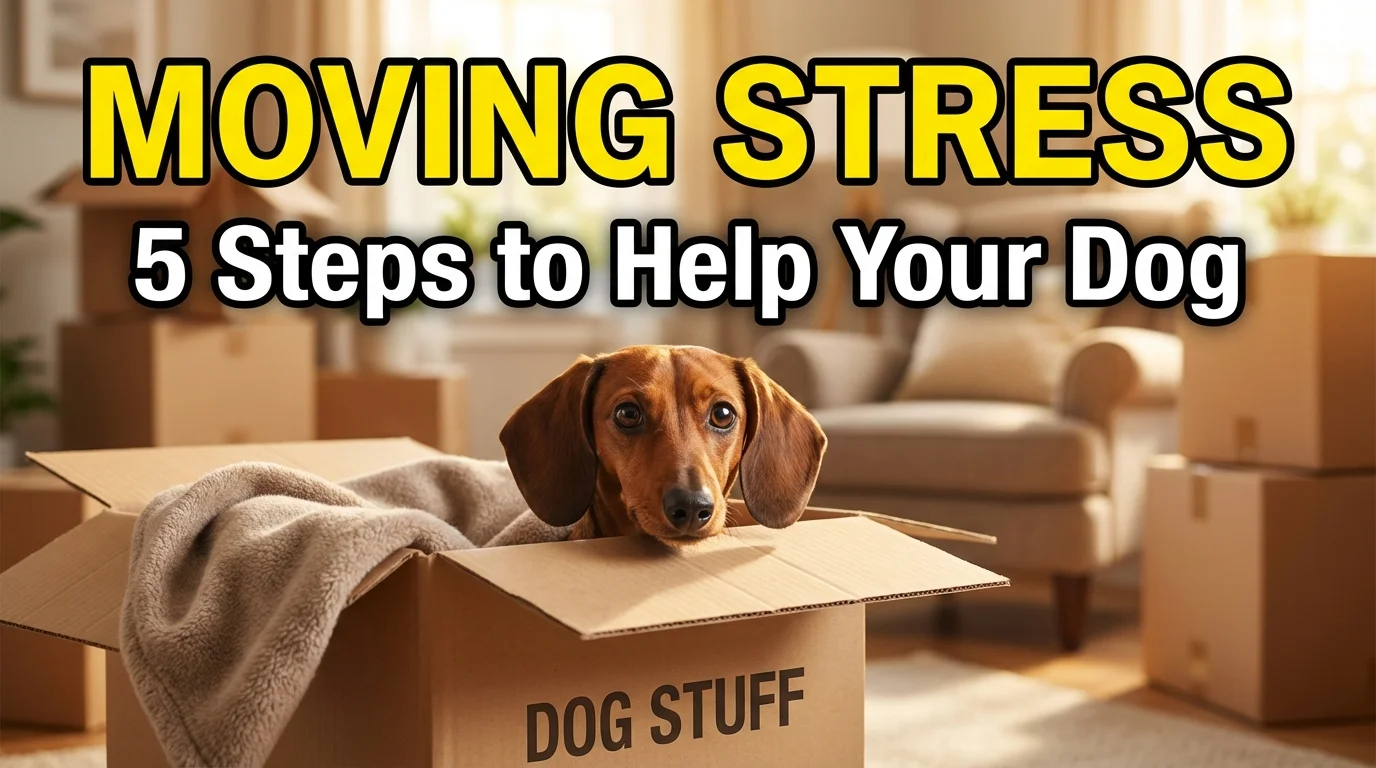
Moving to a new home is often an exciting milestone for humans, but for a Dachshund, it can feel like their entire world has been turned upside down. Dachshunds are naturally territorial and thrive on routine, making sudden environmental changes a significant source of stress. In this article, we will explore how moving affects your Dachshund and provide actionable, science-based steps to help them adapt to their new surroundings with minimal anxiety.
How Environmental Changes Affect Dachshunds
Dachshunds were originally bred to hunt badgers, a job that required them to be fiercely protective of their space and highly alert to their surroundings. Because of these ingrained traits, they are particularly sensitive to changes in their territory. Moving to a new house, rearranging furniture drastically, or introducing new household members can trigger a strong stress response.
Common signs of stress in Dachshunds during or after a move include:
- Gastrointestinal Issues and Loss of Appetite: Refusing to eat their regular food, or experiencing sudden bouts of diarrhea or vomiting.
- Hyper-Vigilance and Excessive Barking: Barking at unfamiliar sounds in the new neighborhood, or pacing restlessly around the house.
- Inappropriate Elimination: Having "accidents" inside the house, even if they were previously fully house-trained. This often happens because the new environment lacks the familiar scent markers of their old potty area.
- Hiding and Withdrawal: Retreating under furniture, into their crate, or seeking out small, dark spaces and refusing to come out.
These behaviors are not signs of disobedience; they are indicators that your dog is feeling insecure and asking, "Is this place safe?" Punishing them for accidents or forcing them out of hiding will only exacerbate their anxiety.
5 Steps to Help Your Dachshund Settle In
To ensure your Dachshund feels safe and comfortable in their new home, proactive support from the owner is essential. Follow these five steps to facilitate a smooth transition.
1. Preparation Before the Move: Establish a "Safe Zone"
Long before moving day, ensure your Dachshund has a designated "safe zone" in your current home, such as a comfortable crate or a specific bed. This item should be a place where they feel completely secure. By bringing this familiar item to the new house, you provide them with an immediate anchor—a clear signal that while the environment has changed, their personal sanctuary remains intact.
Additionally, try to maintain their regular routine (feeding and walking times) as much as possible amidst the chaos of packing.
2. Moving Day Management: Keep Them Safe and Quiet
Moving day is typically the most stressful part of the process, filled with strangers (movers), loud noises, and open doors. If possible, the safest option is to board your Dachshund at a trusted kennel or leave them with a familiar friend or family member for the day.
If they must stay with you, place them in a quiet, closed room in the new house with their crate, bed, and water. Put a sign on the door so movers know not to enter. Adding an article of clothing that smells like you can provide extra comfort.
3. The First Steps in the New Home: Restrict Access
Once the move is complete, do not give your Dachshund free rein of the entire house immediately. A large, unfamiliar space can be overwhelming. Instead, confine them to one room initially.
Set up their familiar crate, bed, food bowls, and potty pads in this room to establish a new "base camp." Allow them to explore and become comfortable in this restricted area first. Once they seem relaxed, gradually open up access to other rooms one by one over the next few days.
4. Revisit Potty Training Basics
It is incredibly common for dogs to regress in their potty training after a move. The new house smells different, the layout is unfamiliar, and the stress can disrupt their routine.
Treat your adult Dachshund as if they were a puppy again. Take them to their designated potty area frequently, especially after eating, waking up, or playing. When they successfully eliminate in the right spot, offer enthusiastic praise and treats. If an accident happens indoors, clean it up quietly with an enzymatic cleaner and never scold them.
5. Re-establish Routines Quickly
Dogs find immense comfort in predictability. As soon as you move in, strive to return to your pre-move schedule for feeding, walks, and playtime.
Walks are particularly crucial. Not only do they provide necessary exercise, but they also allow your Dachshund to safely investigate the new smells and sounds of the neighborhood. Start with short, calm walks near the house and gradually extend the route as they become more confident.
Supportive Items for Stress Relief
To further alleviate moving-related anxiety, consider utilizing supportive tools:
- Pheromone Products: Diffusers or collars that emit synthetic appeasing pheromones (similar to those produced by a mother dog) can significantly reduce anxiety.
- Puzzle Toys: Providing food in a puzzle toy like a KONG encourages licking and chewing, which are naturally soothing behaviors that can distract them from their stress.
- Calming Supplements: In severe cases, consult your veterinarian about supplements containing ingredients like L-theanine or GABA, which promote relaxation without sedation.
Frequently Asked Questions (FAQ)
Q1. How soon can I leave my Dachshund alone in the new house?
A1. You should avoid leaving them alone for extended periods until they are fully comfortable in the new environment. Start by leaving the house for just a few minutes (e.g., to take out the trash) and gradually increase the duration. It may take several weeks before they are ready for a full workday of being alone without experiencing separation anxiety.
Q2. My dog is crying at night in the new house. What should I do?
A2. Nighttime crying is usually a sign of insecurity. While it is generally advised not to inadvertently reward the crying by rushing to comfort them immediately, you can help by moving their crate into your bedroom temporarily. Being physically close to you can provide the reassurance they need to sleep soundly.
Q3. My Dachshund won't eat after the move. Should I change their food?
A3. Avoid changing their main diet, as this can cause further gastrointestinal upset. Instead, try making their regular food more enticing by adding a small amount of warm water, low-sodium chicken broth, or a familiar, high-value topper. If they refuse to eat for more than 48 hours or exhibit symptoms like vomiting, consult a veterinarian immediately.
Conclusion
Moving is a significant challenge for a Dachshund, but with patience and understanding, you can help them navigate the transition smoothly. By establishing a safe zone, managing the chaos of moving day, slowly introducing the new space, and quickly returning to familiar routines, you can minimize their stress. Your calm, reassuring presence is the most powerful tool in helping your Dachshund feel at home again.