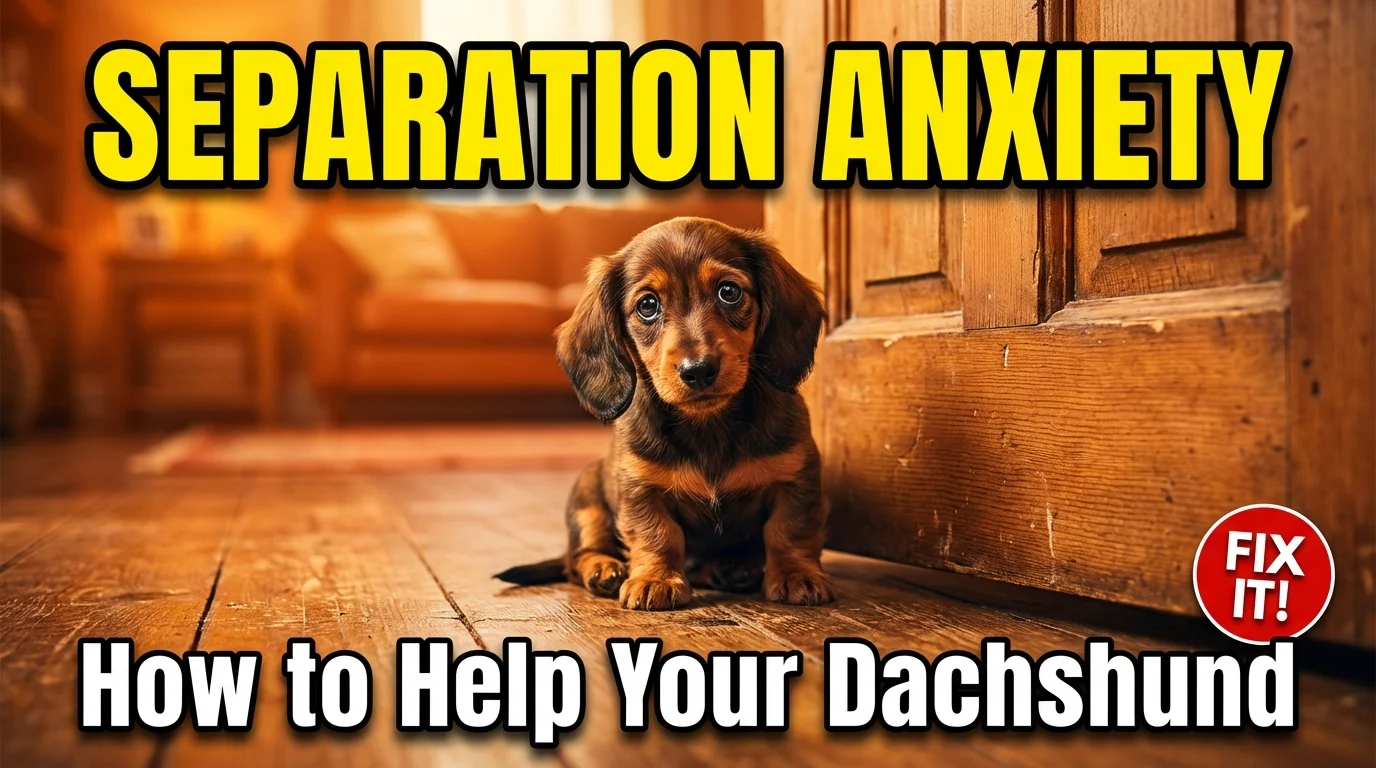
When bringing a dachshund into your home, one of the most crucial yet frequently overlooked aspects of their development is socialization. Originally bred as hunting dogs designed to flush badgers from their dens, dachshunds possess a naturally alert and sometimes vocal disposition. In this comprehensive guide, we will explore the importance of socialization from a veterinary and behavioral perspective, and provide actionable steps to help your dachshund grow into a confident, well-adjusted companion.
Understanding the Socialization Period
In canine behavioral science, the "socialization period" refers to a critical developmental window where a puppy's curiosity outweighs their fear, allowing them to readily accept new experiences. For most dogs, including dachshunds, this prime window occurs between 3 and 14 weeks of age.
Exposing your puppy to a wide variety of sights, sounds, people, and environments during this timeframe is essential. Proper socialization acts as a preventative measure against future behavioral issues such as excessive alarm barking, fear-based aggression, and severe phobias. Because dachshunds are known for their strong-willed nature, the experiences they have during these formative weeks will significantly shape their lifelong temperament.
Why Socialization is Vital for Dachshunds
Dachshunds were meticulously bred for independent hunting. This specific heritage has endowed them with several distinct behavioral traits:
- Heightened Alertness: They are quick to notice unfamiliar sounds or strangers and will often bark to alert their owners.
- Fierce Independence: As hounds expected to make decisions underground, they have a strong sense of autonomy.
- Tenacity: They possess a high prey drive and can become intensely focused on moving objects or small animals.
Without adequate socialization, these natural instincts can easily morph into problematic behaviors, such as aggression toward strangers or relentless barking at everyday noises. A structured socialization program helps channel these instincts, teaching your dachshund how to react calmly to the world around them.
Step-by-Step Socialization Strategies
Effective socialization should be introduced gradually, always progressing at a pace that keeps your puppy comfortable and stress-free.
1. The "Carry and Walk" Method (Before Vaccinations)
Veterinarians often advise keeping puppies off public ground until their vaccination schedule is complete to prevent diseases like parvovirus. However, socialization cannot wait. You can safely expose your puppy to the outside world by carrying them in your arms or using a puppy sling.
- Traffic and City Sounds: Start in quiet neighborhoods and gradually expose them to the sounds of cars, buses, and general street noise.
- Diverse People: Let them observe people of all ages and appearances from a safe distance, including children, people wearing hats, or individuals using wheelchairs.
- Other Animals: Allow them to watch other dogs and cats from afar. Reward them with praise and treats for remaining calm.
2. Indoor Environmental Conditioning
There is a wealth of socialization that can be accomplished right in your living room. The goal is to desensitize your puppy to common household stimuli.
- Household Noises: Introduce the sounds of vacuums, hair dryers, doorbells, and even recordings of thunderstorms at a very low volume, gradually increasing it over time while offering high-value treats.
- Various Textures: Encourage your puppy to walk on different surfaces such as hardwood floors, carpets, tiles, and wet grass in a safe, enclosed yard.
- Handling and Grooming: Prepare them for future veterinary visits and grooming sessions by gently touching their paws, inspecting their ears, and rubbing their muzzle. Always pair this handling with positive reinforcement.
3. The Power of Positive Reinforcement
When socializing your dachshund, the focus must always remain on positive reinforcement. Whenever your puppy encounters something new and reacts calmly, immediately reward them. This builds a positive association in their brain: "New experiences bring good things."
Using a clicker can be an excellent tool during this phase. The distinct "click" sound precisely marks the desired behavior, followed immediately by a treat, making communication clear and effective.
Crucial Rules for Socialization
To ensure your socialization efforts are successful, keep the following principles in mind:
- Never Force an Interaction: If your dachshund shows signs of fear—such as trembling, tucking their tail, or trying to hide—immediately increase the distance between them and the trigger. Forcing them to confront their fear will result in trauma, not desensitization.
- Quality Over Quantity: It is better to have three brief, highly positive encounters with a new stimulus than one long, overwhelming exposure.
- It Is Never Too Late: While the primary socialization window closes around 14 weeks, older dachshunds can still learn and adapt. Adult dog socialization (often called counter-conditioning) requires more patience and time, but it is entirely possible and highly beneficial.
Frequently Asked Questions
Q1: My vet said not to take my puppy outside until they are fully vaccinated. What should I do? A: Your vet is correct that your puppy should not walk on public ground or interact with unvaccinated dogs. However, you must still take them outside by carrying them or using a pet stroller. Visual and auditory exposure without physical contact is perfectly safe and absolutely necessary for behavioral health.
Q2: My dachshund already barks lunges at other dogs on walks. How can I fix this? A: This is known as leash reactivity. The key is to manage the distance. As soon as your dog spots another dog—before they start barking—call their name and reward them with a high-value treat for looking at you. This teaches them that seeing another dog means they should look to you for a reward, rather than reacting defensively.
Q3: When is socialization considered "finished"? A: While the intensive early socialization period ends around 14 to 16 weeks of age, socialization is a lifelong process. Continuing to expose your adult dachshund to new environments and experiences will help maintain their confidence and prevent behavioral regression.
Conclusion
Socializing your dachshund is one of the most profound investments you can make in their future well-being. By understanding their unique hunting heritage and proactively introducing them to the world in a safe, positive manner, you lay the foundation for a lifetime of companionship. A well-socialized dachshund is not only a joy to live with but also a happier, less stressed dog. Be patient, be consistent, and enjoy the journey of showing your puppy the world.