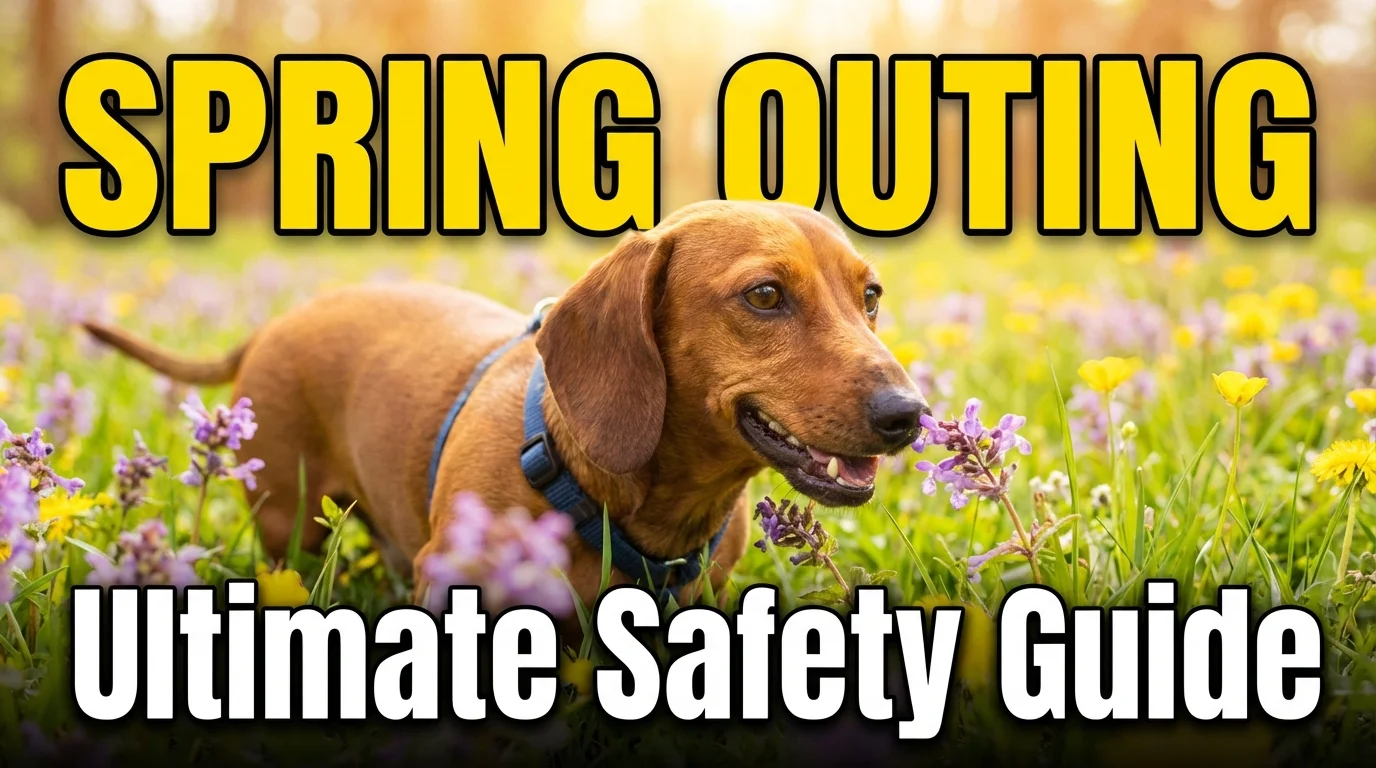
Dachshunds are naturally curious, energetic, and highly intelligent dogs. Originally bred as badgers hunters, they possess a strong prey drive and an incredible sense of smell. While daily walks are essential for their physical and mental well-being, their unique body structure—characterized by short legs and a long spine—presents specific challenges and risks that every owner must be aware of.
This guide provides a science-based approach to dachshund walking safety, covering everything from protecting their vulnerable bellies from extreme ground temperatures to managing their scavenging instincts and ensuring safe interactions with other dogs. By understanding these breed-specific needs, you can transform daily walks into safe, enriching experiences for both you and your companion.
Understanding Breed-Specific Walking Risks
The dachshund's low-to-the-ground profile means they experience the environment differently than taller breeds. Recognizing these differences is the first step in preventing injuries and health issues.
Ground Temperature Hazards
Because a dachshund's abdomen is only inches from the ground, they are exceptionally vulnerable to extreme surface temperatures. During summer months, asphalt can reach scorching temperatures that not only burn their paw pads but also radiate intense heat directly onto their belly, significantly increasing the risk of heatstroke.
Always perform the "seven-second test": place the back of your hand on the pavement. If you cannot hold it there comfortably for seven seconds, it is too hot for your dachshund to walk on. Conversely, during winter, their proximity to the cold ground and snow can quickly lead to hypothermia or frostbite, making a well-fitted winter coat a necessity rather than a fashion statement.
The Danger of Scavenging (Pica)
With their noses constantly to the ground, dachshunds are notorious scavengers. This behavior, known as pica when they consume non-food items, poses a severe risk of gastrointestinal blockages, poisoning, or choking. Common hazards include discarded food, toxic plants, cigarette butts, and even dropped medications.
Prevention requires constant vigilance. Scan the path ahead and gently steer your dog away from potential hazards. Furthermore, training the "leave it" and "drop it" commands is crucial. These commands can be life-saving if your dachshund manages to pick up something dangerous before you can intervene.
Protecting the Spine: Route Selection
Dachshunds are genetically predisposed to Intervertebral Disc Disease (IVDD). Activities that involve sudden jarring, jumping, or climbing steep inclines put immense pressure on their elongated spines.
When planning your walking route, prioritize flat surfaces and avoid steep stairs or areas that require them to jump over obstacles. If you encounter a high curb or a flight of stairs, it is always safer to pick up your dachshund—supporting both their chest and hindquarters—and carry them past the obstacle.
Essential Walking Etiquette and Equipment
Proper equipment and good manners are not just about being a responsible neighbor; they are fundamental to maintaining control and ensuring your dachshund's safety in unpredictable environments.
Choosing the Right Leash and Harness
While retractable leashes offer freedom in open spaces, they are highly discouraged for everyday walks, especially in urban areas or near traffic. A retractable leash provides minimal control if your dachshund suddenly lunges at a squirrel or another dog, and the sudden stop when the leash runs out can cause severe neck or spinal injuries.
Instead, opt for a standard 4-to-6-foot fixed leash paired with a well-fitted, Y-shaped harness. A harness distributes the pulling force across the chest rather than the fragile neck and spine, which is vital for preventing IVDD flare-ups.
Managing Waste Responsibly
Picking up after your dog is a universal rule of pet ownership. Leaving waste behind is not only unhygienic but also spreads diseases and parasites. Always carry a sufficient supply of poop bags and dispose of them in designated receptacles.
To make this task more convenient and hygienic, a dedicated waste bag dispenser that attaches to your leash is highly recommended.
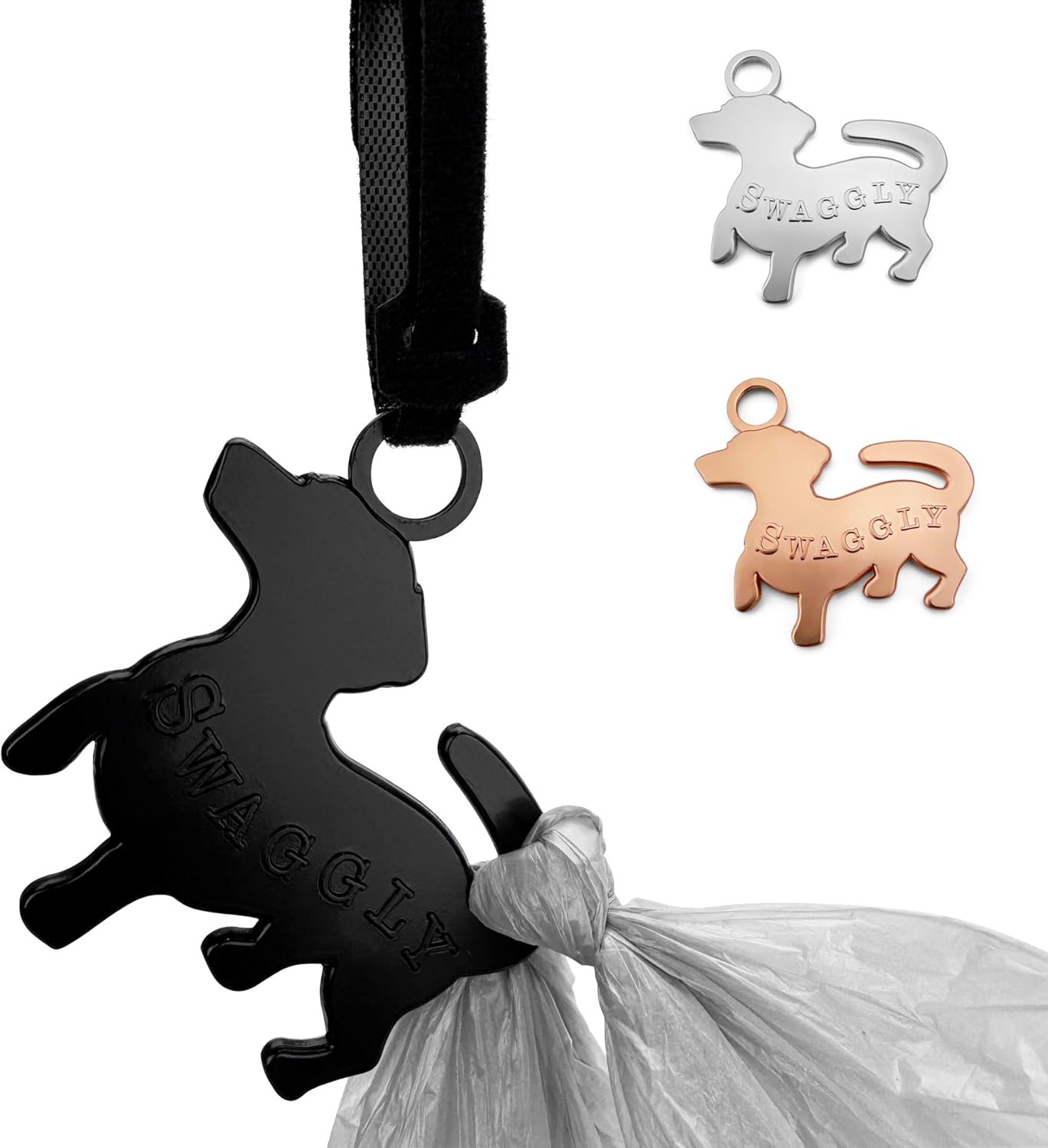
Swaggly Dachshund Shaped Black Dog Poop Bag Holder
This adorable, dachshund-shaped poop bag dispenser is both functional and stylish. Made from durable materials, it easily attaches to any leash with a secure carabiner, ensuring you are always prepared without adding unnecessary bulk to your walks.
Safe Interactions with Other Dogs
Dachshunds can be fiercely loyal and protective, which sometimes translates into reactivity toward unfamiliar dogs. Never assume that an approaching dog is friendly, and do not allow your dachshund to rush up to others.
Always ask the other owner for permission before allowing the dogs to greet. If permission is granted, keep the leash loose to avoid transmitting tension, and allow them to sniff each other briefly (the "three-second rule") before calmly moving along. If your dog shows signs of fear or aggression, calmly increase the distance between them and the trigger.
Troubleshooting Common Walking Problems
Even with the best preparation, you may encounter behavioral challenges during your walks. Addressing these issues with positive reinforcement is key to a stress-free experience.
The "Dachshund Strike" (Refusing to Walk)
It is not uncommon for a dachshund to suddenly sit down and refuse to take another step. This "strike" can be caused by fatigue, sore paws, an ill-fitting harness, or simply stubbornness.
Never drag your dog by the leash, as this can cause severe spinal injury. First, check their paws for thorns, burrs, or hot pavement. Ensure their harness is not chafing. If they are physically fine but simply overwhelmed or stubborn, use a high-value treat to coax them forward, or pick them up, walk a short distance, and try setting them down again in a new environment.
Reactivity and Barking
If your dachshund barks excessively at bicycles, pedestrians, or other dogs, they are likely experiencing fear or over-arousal. Punishing them will only increase their anxiety.
Instead, practice "counter-conditioning." When you spot a trigger in the distance (before your dog reacts), ask for a "sit" and "look at me." Reward them generously with treats and praise for remaining calm and focusing on you. Over time, they will associate the presence of the trigger with positive rewards rather than a threat.
Frequently Asked Questions (FAQ)
Q: Should I walk my dachshund in the rain?
A: Because their bellies are so close to the ground, dachshunds get wet and chilled very quickly in the rain. Many absolutely despise wet weather. If your dog refuses to go out, do not force a long walk. A quick potty break is sufficient. You can compensate for the missed physical exercise with indoor mental stimulation, such as puzzle toys or training games.
Q: Why does my dachshund eat grass during walks?
A: Eating grass is a common canine behavior. It may be a way to add fiber to their diet, soothe an upset stomach, or simply because they enjoy the texture. While eating clean grass is generally harmless, you must ensure the area has not been treated with pesticides, herbicides, or fertilizers, which are highly toxic. If the grass-eating is accompanied by frequent vomiting or lethargy, consult your veterinarian.
Q: How long should a typical walk be?
A: For a healthy adult dachshund, two 20-to-30-minute walks per day are usually ideal. However, this should be adjusted based on their age, health status, and the weather. Puppies and senior dogs require shorter, gentler walks. The goal is to provide enough exercise to keep them fit and mentally stimulated without causing exhaustion or joint strain.
Conclusion
Walking your dachshund is a fundamental part of their care, providing essential exercise and mental enrichment. However, their unique anatomy requires owners to be extra vigilant.
- Always check pavement temperatures and watch for scavenging hazards.
- Avoid routes with steep stairs or high jumps to protect their spine.
- Use a fixed leash and a supportive harness rather than a collar.
- Always carry waste bags and clean up promptly.
By understanding these breed-specific needs and practicing proactive safety measures, you can ensure that every walk is a positive, healthy experience that strengthens the bond between you and your dachshund.