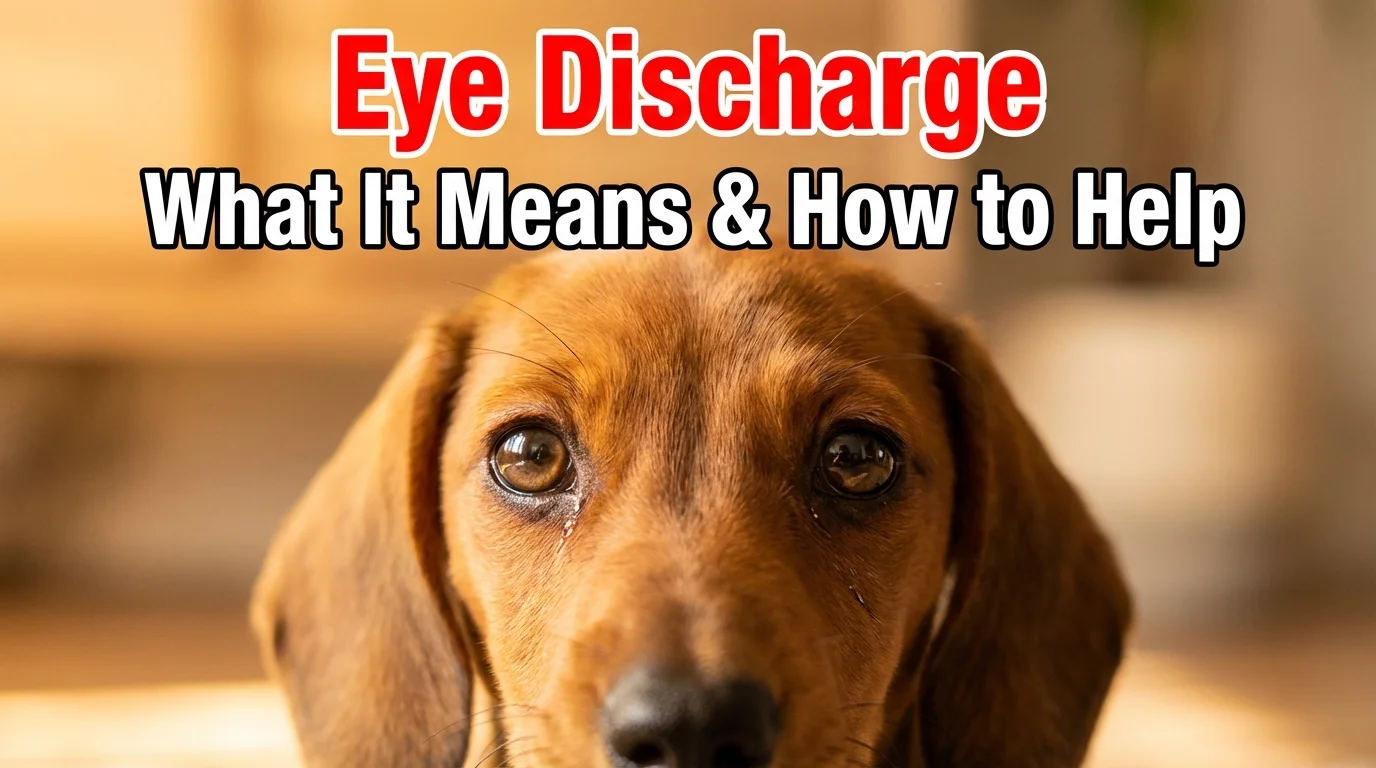
Dachshunds are known for their expressive, soulful eyes — one of the many features that make this breed so endearing. However, as a Dachshund owner, you may occasionally notice tear stains, crusty discharge, or reddish-brown staining around their eyes. While some level of discharge is a perfectly normal part of canine physiology, excessive tearing or changes in the color and consistency of the discharge can sometimes indicate an underlying health issue that warrants attention.
In this comprehensive guide, we will explore the most common causes of eye discharge and tear stains in Dachshunds, how to properly clean and care for their eyes at home, and when it is crucial to consult a veterinarian. Whether you are a first-time Dachshund owner or a seasoned enthusiast, understanding your dog's eye health is an essential part of responsible pet ownership.
Understanding Normal vs. Abnormal Eye Discharge
Before diving into causes and treatments, it is important to distinguish between what is considered normal and what should raise concern.
Normal discharge typically appears as a small amount of clear, whitish, or grayish crust in the inner corner of the eye, especially after your dog wakes up. This is simply the eye's natural way of flushing out dust, dead cells, and other debris. It is analogous to the "sleep" that humans find in their eyes in the morning.
Abnormal discharge, on the other hand, may be characterized by a significant increase in volume, a change in color to yellow or green, a thick and sticky consistency, or discharge accompanied by redness, swelling, or signs of pain such as squinting or pawing at the eye. Any of these changes should prompt a visit to your veterinarian.
Common Causes of Eye Discharge and Tear Stains in Dachshunds
Several factors can contribute to excessive tearing and eye discharge in Dachshunds. Understanding the root cause is essential for providing the right care and treatment.
Normal Physiological Discharge
As mentioned above, a small amount of discharge is a completely normal byproduct of a healthy eye's self-cleaning mechanism. Tears serve to lubricate the eye, wash away foreign particles, and provide nutrients to the cornea. When these tears evaporate or drain, they can leave behind a small amount of residue. This is nothing to worry about and simply requires routine cleaning.
Eyelash Abnormalities: Distichiasis and Ectopic Cilia
Dachshunds are genetically predisposed to certain eyelash abnormalities. Distichiasis refers to the condition where eyelashes grow from an abnormal location on the eyelid margin and rub against the surface of the eye. Ectopic cilia are hairs that grow from the inner surface of the eyelid (the conjunctiva) and point directly toward the cornea.
Both conditions cause chronic irritation to the cornea, leading to excessive tearing, discomfort, and increased eye discharge. If left untreated, this constant friction can cause painful corneal ulcers and, in severe cases, permanent scarring that affects vision. If you suspect your Dachshund has an eyelash abnormality, a veterinary ophthalmologist can diagnose and treat the condition, often through a minor surgical procedure.
Allergies: Environmental and Food-Related
Allergies are a surprisingly common cause of watery, irritated eyes in Dachshunds. Environmental allergens such as pollen, grass, mold spores, and dust mites can trigger allergic conjunctivitis, causing the eyes to become red, itchy, and watery. This is particularly common during spring and fall when pollen counts are high.
Food allergies can also manifest as eye irritation and increased tearing, often alongside other symptoms such as skin itching, ear infections, and gastrointestinal upset. If you notice that your Dachshund's eye symptoms seem to worsen after eating certain foods or during specific seasons, it is worth discussing allergy testing with your veterinarian.
Blocked or Narrow Tear Ducts (Epiphora)
The nasolacrimal duct is a small channel that drains tears from the eye into the nasal cavity. When this duct is blocked, narrowed, or anatomically abnormal, tears cannot drain properly and instead overflow onto the face. This condition, known as epiphora, results in persistent tear staining, particularly in the fur below the inner corner of the eye.
The constant moisture from overflowing tears creates a warm, damp environment that is ideal for the growth of bacteria and yeast, which can cause the fur to turn a reddish-brown color and may lead to skin irritation or infection. Some Dachshunds are born with narrower-than-normal tear ducts, making them inherently more prone to this condition.
Conjunctivitis (Pink Eye)
Conjunctivitis, commonly known as "pink eye," is an inflammation of the conjunctiva — the thin, transparent membrane that lines the inner surface of the eyelids and covers the white part of the eye. It can be caused by bacterial or viral infections, allergies, or foreign bodies. Symptoms include redness, swelling, and discharge that may range from watery to thick and purulent (pus-like). Bacterial conjunctivitis typically produces a yellow or green discharge and requires antibiotic treatment prescribed by a veterinarian.
Dry Eye (Keratoconjunctivitis Sicca)
Dry eye, or keratoconjunctivitis sicca (KCS), is a condition in which the tear glands produce insufficient tears to keep the eye adequately lubricated. This may seem counterintuitive when discussing eye discharge, but KCS actually causes a paradoxical increase in a thick, mucoid, yellowish-green discharge as the eye attempts to compensate for the lack of watery tears.
KCS is often caused by an immune-mediated attack on the tear glands. Without adequate lubrication, the cornea becomes dry and inflamed, and can develop ulcers. Early diagnosis and treatment are critical to preserving vision. Your veterinarian can diagnose KCS with a simple test called the Schirmer Tear Test.
Corneal Ulcers
A corneal ulcer is an open sore on the surface of the eye. It can result from trauma (such as a scratch from a cat or a sharp piece of grass), a foreign body in the eye, chronic irritation from eyelash abnormalities, or as a complication of dry eye or infection. Corneal ulcers are extremely painful and typically cause intense squinting, tearing, and redness. This is a veterinary emergency and requires immediate treatment.
What the Color of Eye Discharge Tells You
The color and consistency of your Dachshund's eye discharge can provide valuable clues about what might be causing it. The following table summarizes the key indicators.
| Discharge Color / Consistency | Likely Cause | Recommended Action |
|---|---|---|
| White or light gray, dry and crusty | Normal physiological discharge | Routine cleaning |
| Clear and watery | Allergies, blocked tear ducts, early irritation | Monitor; see vet if persistent |
| Yellow or green, thick and sticky | Bacterial infection (conjunctivitis) | See vet promptly |
| Thick, yellowish-green, mucoid | Dry eye (KCS) | See vet promptly |
| Blood-tinged | Trauma, severe inflammation | See vet immediately |
How to Properly Clean Your Dachshund's Eyes at Home
Regular eye cleaning is an important part of your Dachshund's grooming routine. Here is a step-by-step guide to doing it safely and effectively.
What You Will Need
Gather the following supplies before you begin: clean cotton balls or soft gauze pads, lukewarm water or a veterinarian-approved canine eye wash solution, and a clean, dry towel. Always use a separate cotton ball for each eye to prevent cross-contamination.
Step-by-Step Cleaning Process
Begin by gently holding your Dachshund still, ideally in your lap or on a stable surface. Moisten a cotton ball with lukewarm water or the eye wash solution. Gently press the damp cotton ball against any dried or crusty discharge for a few seconds to soften it — never try to scrape off dried discharge, as this can tear the delicate skin or pull out fur. Once softened, wipe gently from the inner corner of the eye outward in a single, smooth motion. Avoid touching the eyeball itself. Repeat with a fresh cotton ball if necessary, and then use the dry towel to gently pat the area dry.
Using a Pet-Safe Eye Cleaner
For dogs with persistent tear stains or stubborn discharge, a dedicated canine eye cleaning solution can be more effective than plain water. These products are formulated to gently dissolve tear stain pigments and loosen discharge without irritating the eye. Look for products that are free from alcohol, harsh preservatives, and antibiotics (unless prescribed). If you are unsure which product to choose, ask your veterinarian for a recommendation.
Keeping Facial Hair Trimmed
Long hair around the eyes can act as a wick, drawing moisture toward the eye and creating a breeding ground for bacteria. Keeping the hair around your Dachshund's eyes neatly trimmed can significantly reduce tear staining and irritation. If you are not comfortable using scissors near your dog's eyes, ask a professional groomer or your veterinarian to do it for you.
How Often Should You Clean Your Dog's Eyes?
For most Dachshunds, a daily cleaning routine — ideally in the morning — is sufficient to keep the eyes clear and prevent staining. If your dog is prone to heavy tearing or discharge, you may need to clean the area two to three times per day. Consistency is key; regular cleaning prevents the buildup of discharge that can lead to skin irritation and infection.
Preventing Tear Stains: Lifestyle and Dietary Tips
In addition to regular cleaning, certain lifestyle and dietary adjustments can help minimize tear staining in Dachshunds.
Diet quality: A high-quality, balanced diet can support overall immune health and reduce inflammation, which may help with allergy-related tearing. Some owners report improvements in tear staining after switching to a grain-free or limited-ingredient diet, though scientific evidence for this is mixed. Consult your veterinarian before making significant dietary changes.
Fresh water: Some anecdotal reports suggest that the mineral content in tap water can contribute to tear staining in some dogs. Providing filtered or purified water may help reduce staining in sensitive individuals.
Regular grooming: Keeping the fur around the eyes short and clean is one of the most effective ways to manage tear stains. Regular grooming appointments can make a significant difference.
Probiotics: Emerging research suggests that gut health may play a role in overall immune function and inflammation levels. Some veterinarians recommend probiotic supplements for dogs with chronic allergies or tear staining, though more research is needed in this area.
When to See a Veterinarian: Warning Signs
While routine eye discharge is manageable at home, certain symptoms should never be ignored. Seek veterinary attention promptly if you notice any of the following.
- Thick, yellow, or green discharge — This is a classic sign of bacterial infection and requires antibiotic treatment.
- Significant redness or swelling of the white part of the eye or the eyelids.
- Squinting, excessive blinking, or inability to open the eye fully — These are signs of pain and discomfort.
- Frequent pawing at the eye or rubbing the face on the floor or furniture.
- Cloudiness, haziness, or a bluish tint over the cornea — This can indicate a corneal ulcer or other serious condition.
- A sudden increase in the amount of discharge.
- The eye appearing larger than normal or bulging — This could be a sign of glaucoma, which is a medical emergency.
Never attempt to treat these symptoms with human eye drops or over-the-counter medications without veterinary guidance. Some human medications are toxic to dogs, and using them can delay proper diagnosis and treatment.
Frequently Asked Questions (FAQ)
Q. Is it safe to clean my Dachshund's eyes every day?
A. Yes, daily cleaning is perfectly safe and is actually recommended for dogs prone to discharge or tear staining. Use a soft, damp cotton ball and gentle technique. If you notice a sudden increase in discharge or any signs of discomfort, consult your veterinarian.
Q. Can changing my Dachshund's diet reduce tear stains?
A. It depends on the underlying cause. If food allergies are contributing to the tearing, switching to a hypoallergenic or limited-ingredient diet may help. However, if the cause is structural (such as blocked tear ducts or eyelash abnormalities), dietary changes alone will not resolve the issue. A veterinary diagnosis is the best starting point.
Q. Can I use human eye drops for my dog's red or irritated eyes?
A. No. Human eye drops, including over-the-counter products like Visine, are formulated for human physiology and can be harmful to dogs. Some contain vasoconstrictors or preservatives that are toxic to canine eyes. Always use products specifically designed and approved for use in dogs, ideally recommended by your veterinarian.
Q. My Dachshund puppy has had eye discharge since birth. Is this normal?
A. Puppies can sometimes have discharge related to the normal development of the eye, but persistent or heavy discharge in a young puppy should be evaluated by a veterinarian. It could indicate a congenital abnormality of the tear ducts or eyelids that may require treatment.
Conclusion
Your Dachshund's expressive eyes are one of their most captivating features, and keeping them healthy requires consistent care and attention. A small amount of clear or grayish discharge is a normal part of canine eye physiology and can be managed easily with daily cleaning. However, changes in the color, volume, or consistency of the discharge — particularly when accompanied by redness, pain, or behavioral changes — should always be evaluated by a veterinarian.
By establishing a regular eye care routine, staying alert to warning signs, and working closely with your veterinary team, you can help ensure that your Dachshund's eyes remain bright, comfortable, and healthy throughout their life. Early detection and prompt treatment of eye conditions are the most effective ways to prevent long-term complications and protect your dog's precious vision.